
Construction Machinery Innovations Explained: Which Upgrades Improve Jobsite Output?
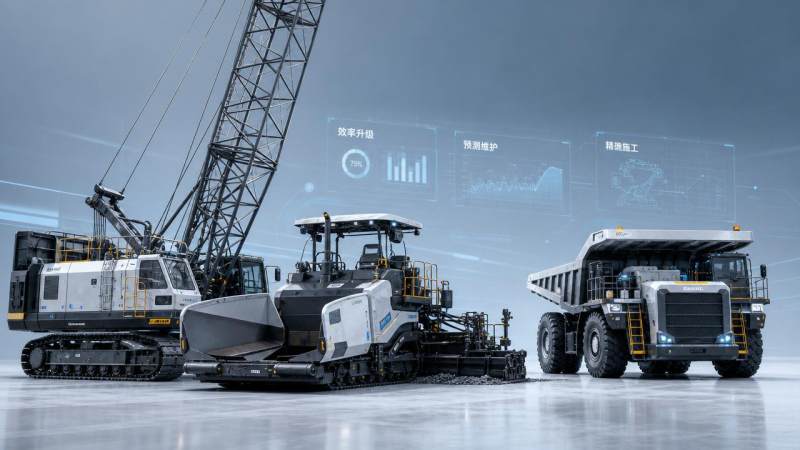
Construction Machinery Innovations Explained: Which Upgrades Improve Jobsite Output?
For enterprise decision-makers, construction machinery innovations are no longer optional improvements. They now shape schedule certainty, labor efficiency, safety performance, and project margins.
That shift is especially visible across tunneling, mining, heavy lifting, and road building. In these environments, output depends on reliability as much as raw machine power.
The real question is not which technology looks advanced. It is which construction machinery innovations actually improve jobsite output in measurable business terms.
In practice, the best upgrades reduce idle time, improve operator consistency, and turn equipment data into faster field decisions. That is where productivity gains become durable.
Why Construction Machinery Innovations Matter More Now
Recent market changes make machinery performance a board-level concern. Projects face tighter deadlines, higher equipment costs, and stronger pressure on safety and emissions.
At the same time, jobsites are more complex. Tunnel boring machines, crawler cranes, mining dump trucks, and large road machinery operate under narrower tolerance windows.
This means traditional buying logic is changing. Capacity alone is no longer enough. Decision quality now depends on control precision, maintainability, energy use, and digital visibility.
The strongest construction machinery innovations support all four. They lift output while lowering disruption, which is what modern project economics demand.
The Upgrades That Most Directly Raise Output
1. Intelligent Control Systems
Smart control systems are among the most valuable construction machinery innovations. They improve repeatability, reduce human variability, and protect machines from avoidable overload.
On crawler cranes, intelligent load management helps maintain lift stability. On road machinery, automated grade and paving control improves surface consistency and cuts rework.
For TBM operations, automated thrust and cutterhead adjustments can stabilize progress in changing geology. That creates smoother advance rates and fewer stop-start cycles.
The biggest benefit is not just speed. It is predictable output, which helps project teams plan crews, fuel, maintenance, and logistics with more confidence.
2. Predictive Maintenance and Condition Monitoring
Unplanned downtime destroys productivity. That is why predictive maintenance remains one of the most practical construction machinery innovations available today.
Sensors now track vibration, hydraulic pressure, temperature, wear, and cycle behavior in near real time. These signals help teams detect failure patterns before breakdown happens.
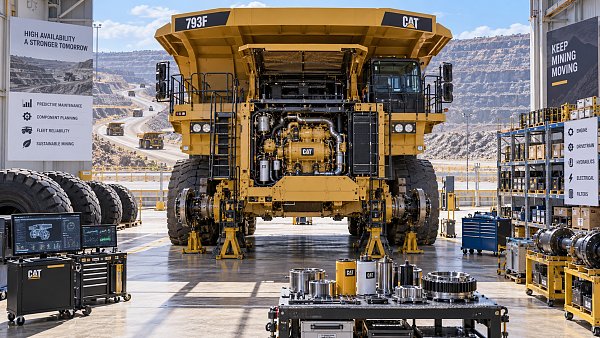
In open-pit mining, condition monitoring on ultra-large excavators and dump trucks can reduce catastrophic stoppages. In tunneling, it helps protect critical components with long replacement windows.
This upgrade also improves parts planning. Better forecasting means fewer emergency repairs, lower inventory waste, and stronger machine availability across the project lifecycle.
3. Electrified and Hybrid Powertrains
Electrification is often discussed through sustainability. But in many cases, the output story is just as important. Efficient power delivery can improve duty-cycle performance.
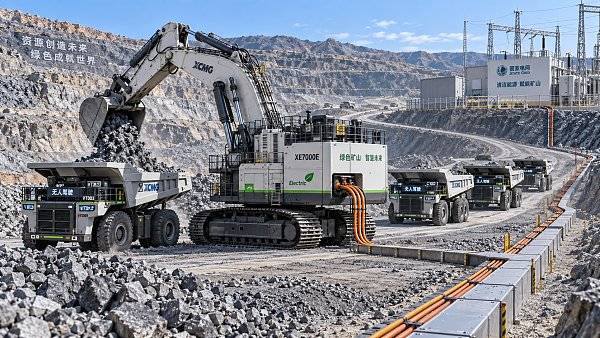
Electric or hybrid systems often deliver better torque response, lower energy waste, and reduced maintenance on selected machine classes. That supports steadier production under repetitive workloads.
The value is especially strong where ventilation costs, fuel transport, or emissions restrictions affect operating hours. Underground work and remote mining routes show this clearly.
Still, not every fleet should electrify at the same pace. The right decision depends on charging strategy, site energy capacity, utilization rates, and asset replacement timing.
4. Remote Operation and Assisted Autonomy
Remote-controlled and semi-autonomous systems are moving from pilot projects into serious deployment. These construction machinery innovations improve both safety exposure and machine utilization.
In hazardous zones, remote operation keeps skilled operators productive without placing them at the point of risk. That matters in blasting areas, unstable slopes, and confined tunnel sections.
Assisted autonomy also supports consistency. Machines can follow optimized work patterns, reducing uneven loading, overlap errors, and operator fatigue across long shifts.
The commercial upside grows when labor shortages are severe. Fewer disruptions in operator availability can directly protect output targets.
5. Precision Guidance and Digital Integration
Some of the most overlooked construction machinery innovations are software-led. Precision guidance, telematics, and project system integration often produce fast operational gains.
When machine data connects to scheduling, fuel planning, payload tracking, and maintenance workflows, managers gain a clearer picture of output bottlenecks.
This is where equipment stops being an isolated asset. It becomes part of a decision network that links field execution with commercial control.
For large contractors, that can be more valuable than a marginal horsepower increase. Visibility often unlocks hidden capacity already sitting in the fleet.
How to Judge Which Innovations Deliver Real ROI
Not all upgrades deserve immediate investment. The best evaluation method starts with jobsite constraints, not vendor claims or trend pressure.
A useful decision filter includes the following questions:
- Which process causes the most downtime or rework today?
- Does the upgrade improve utilization, cycle time, or quality consistency?
- What data proves the gain under actual site conditions?
- How difficult is integration with existing fleet, software, and technicians?
- What happens to total cost of ownership over three to seven years?
This approach keeps construction machinery innovations tied to outcomes. It also helps avoid expensive upgrades that look impressive but solve minor problems.
Where Different Sectors See the Biggest Gains
Tunneling
TBM performance benefits most from cutter wear analytics, automated control adjustments, and remote diagnostics. These upgrades reduce stoppages and improve advance stability.
Open-Pit Mining
Mining output improves when ultra-large excavators and dump trucks use payload optimization, route intelligence, and predictive maintenance to cut idle and queuing losses.
Heavy Lifting
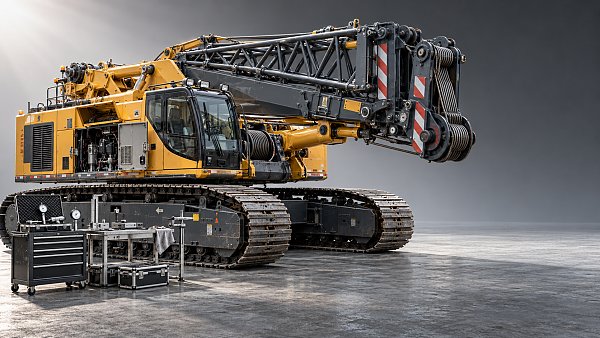
Crawler cranes gain from intelligent load control, setup monitoring, and wind-response assistance. Here, productivity depends on safe precision, not just lift capacity.
Road Construction
Large road machinery sees strong returns from grade automation, material flow coordination, and compaction data systems that reduce waste and improve surface uniformity.
Common Risks When Adopting Construction Machinery Innovations
The opportunity is real, but adoption risk is also real. Many fleets underperform because technology is added without process redesign.
- Buying advanced features without training operators or supervisors.
- Collecting machine data without linking it to action thresholds.
- Ignoring site power, connectivity, or service support limits.
- Evaluating innovations only by purchase price, not lifecycle value.
- Scaling too quickly before proving results on one high-value use case.
A phased deployment usually works better. Start where delays are costly, measure output improvements, then expand standards across similar assets and projects.
A Practical Decision Framework
For most fleets, the strongest sequence is simple. First, improve visibility. Second, reduce downtime. Third, automate precision. Fourth, evaluate energy transition opportunities.
That order reflects how construction machinery innovations usually create value. Data and reliability improvements often produce faster returns than large-scale hardware replacement.
In other words, the best upgrade is rarely the most dramatic one. It is the one that removes the biggest operational constraint.
For infrastructure businesses, this also supports better strategic planning. It aligns machinery investment with delivery risk, labor realities, and long-term total cost control.
As construction machinery innovations continue to evolve, the winning organizations will be those that connect equipment upgrades with field execution intelligence.
The next step is clear: review one critical workflow, identify its largest output loss, and test the upgrade that removes it with measurable proof.
Related News
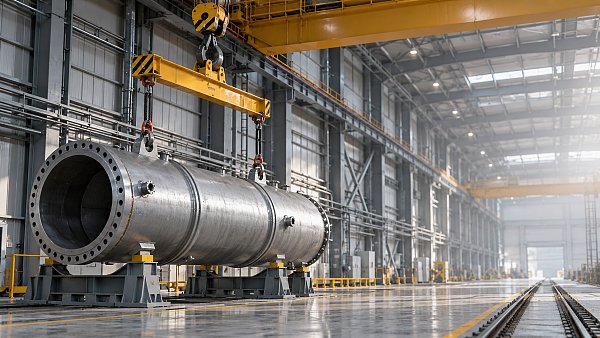
 Oct 23, 2026Selecting Lifting Equipment for Nuclear Component Transport: Key Safety CriteriaSelecting lifting machinery for nuclear component transport? Discover essential safety criteria, load control checks, and supplier requirements to guide confident procurement.
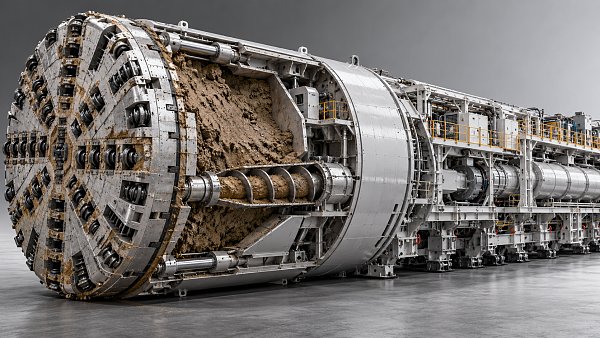
 Oct 22, 2026Tunnel Boring Machines in Southeast Asia: EPB vs. Slurry for Soft GroundCompare tunnel boring machines Southeast Asia projects rely on: EPB vs. slurry for soft ground. Discover how groundwater, settlement risks, and spoil handling shape the right choice.
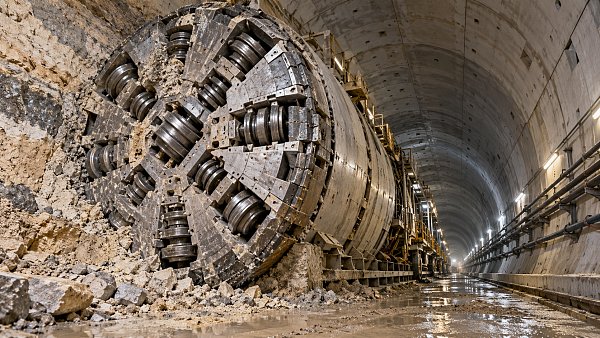
 Oct 21, 2026Choosing Tunneling Equipment for the Middle East: Rock, Soil, and GroundwaterCompare underground tunneling equipment Middle East projects need. Explore rock, soil, groundwater, and TBM options to reduce risk and make confident procurement decisions.
 Oct 20, 2026Which Heavy Machinery Maintenance Standards Apply to Your Construction Fleet?Discover which heavy machinery maintenance standards apply to your fleet. Clarify legal duties, OEM requirements, and inspection rules to reduce risk and keep equipment ready for work.
Related News

Prof. Marcus Chen
Weekly Insights
Stay ahead with our curated technology reports delivered every Monday.