
How Global Infrastructure Projects Are Shaping Demand for Tunneling and Heavy Equipment
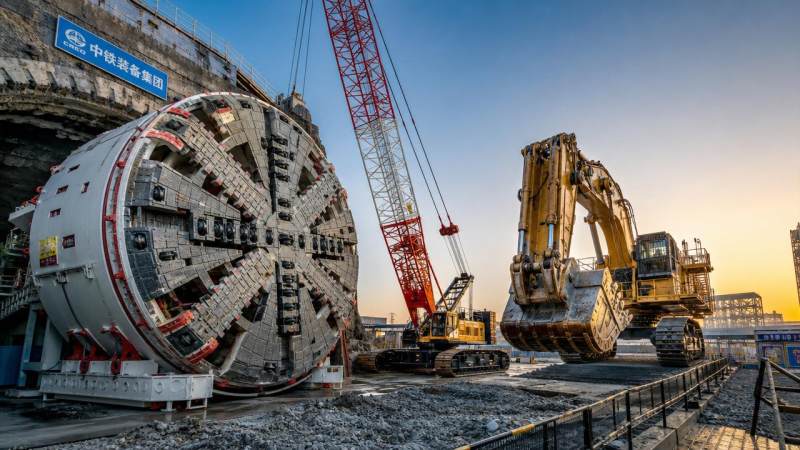
Global infrastructure projects are changing equipment demand in more than one way
Across transport, energy, mining, and logistics, global infrastructure projects are no longer defined by size alone.
They are defined by schedule pressure, geological complexity, carbon constraints, and tighter delivery accountability.
That shift is reshaping demand for tunneling systems and heavy equipment with unusual speed.
Metro extensions, mountain crossings, offshore wind ports, copper mines, and energy corridors now compete for the same fleet attention.
The result is not a simple volume increase.
It is a structural upgrade in what project owners expect from TBMs, crawler cranes, road machinery, excavators, and mining trucks.
For companies tracking global infrastructure projects, the key question is no longer where demand exists.
The real question is where demand is becoming technically selective, financially disciplined, and operationally unforgiving.
This is where TF-Strategy’s lens matters.
By linking machine parameters, construction methods, and project strategy, the market becomes easier to read with precision.
Why this change is becoming more visible now
Several forces are converging at the same time.
Public infrastructure budgets are being redirected toward resilience, energy security, and urban mobility.
At the same time, commodity demand is pulling investment into open-pit mining and bulk transport links.
More importantly, project design itself is changing.
Tunnels are longer, shafts are deeper, lifts are heavier, and access conditions are often more constrained.
That raises the value of machine reliability and deployment flexibility.
A second signal is geopolitical fragmentation.
Supply chains for steel, hydraulic systems, cutters, tires, and power electronics remain vulnerable.
That makes procurement timing inseparable from project execution planning.
In other words, global infrastructure projects now shape equipment demand through both growth and constraint.
Demand is moving from capacity buying to capability buying
From recent project flows, the clearest change is qualitative.
Buyers are not only asking how much equipment is needed.
They are asking whether a machine can protect schedule certainty under unpredictable site conditions.
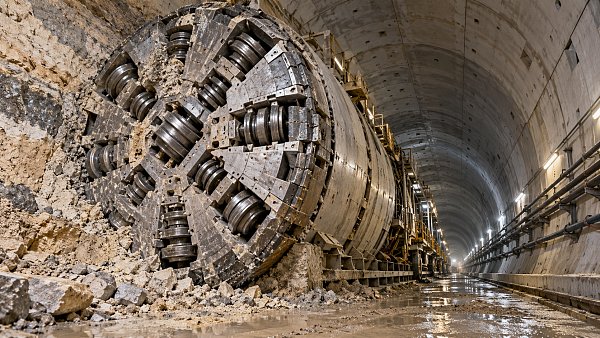
For TBM-related work, this shows up in growing attention to geology-specific configuration.
Mixed ground performance, cutter tool life, slurry management, and segment handling matter earlier in bidding.
For heavy lifting, wind and industrial megaprojects are favoring cranes that reduce assembly time and transport complexity.
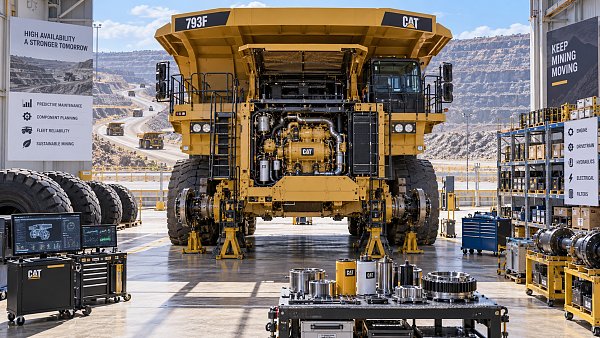
For mining, the discussion is increasingly about endurance, fuel strategy, and electrification readiness.
This is why global infrastructure projects are rewarding technical alignment more than generic fleet expansion.
TF-Strategy’s five-pillar view reflects that reality well.
TBMs, ultra-large excavators, crawler cranes, road machinery, and mining dump trucks are no longer isolated equipment categories.
They increasingly operate as coordinated assets within larger infrastructure ecosystems.
Where capability matters most
- Underground works need equipment matched to geology, groundwater, spoil logistics, and urban disturbance limits.
- Open-pit operations need machines that maintain productivity under altitude, heat, and long-haul duty cycles.
- Energy and industrial corridors need lifting systems that support oversized modules with tight installation windows.
- High-speed road and port links need paving accuracy and compaction consistency, not just daily output.
Technology signals are starting to influence commercial decisions earlier
One of the more important shifts is timing.
Technologies once treated as operational upgrades are now affecting pre-award evaluation.
That includes remote monitoring, digital control, automation support, and energy system choices.
In tunneling, advances in TBM cutter head materials and data-led maintenance are becoming commercially relevant.
They reduce unplanned stoppages, but they also improve predictability in difficult strata.
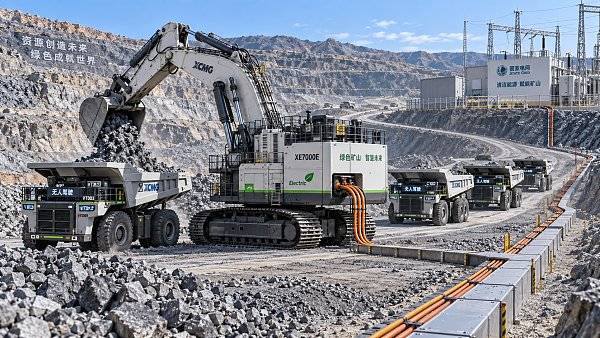
In mining and excavation, 5G-enabled remote operation changes labor deployment and site safety assumptions.
Pure electric or hybrid heavy haulage is attracting attention where fuel logistics, emissions rules, or ventilation costs are rising.
This does not mean every new technology is ready for universal adoption.
It means global infrastructure projects are creating stronger commercial tests for what truly lowers TCO and execution risk.
That is a useful distinction, because heavy equipment markets often overreact to novelty.
The better question is whether a technology survives real project pressure.
The impact is spreading across bidding, financing, and site delivery
The effect of global infrastructure projects does not stop at equipment selection.
It changes how bids are structured, how risk is priced, and how project controls are built.
When equipment performance becomes central to delivery credibility, financing teams pay closer attention to technical assumptions.
Lenders and project sponsors increasingly want evidence on uptime, maintenance strategy, spare part resilience, and redeployment logic.
That is especially true for megaprojects with cross-border supply dependencies.
In practical terms, three pressure points keep appearing.
- Bid teams must quantify how equipment choices protect schedule and not only unit cost.
- Operations teams must prepare for service continuity in volatile supply conditions.
- Leadership teams must compare ownership models against project duration and utilization certainty.
This is where market intelligence becomes an execution tool rather than a news feed.
TF-Strategy’s emphasis on project tenders, raw material signals, and equipment evolution is valuable precisely because these variables now move together.
What deserves closer attention over the next planning cycle
The next phase of demand will likely be less about headline volume and more about strategic fit.
Some markets will remain active, but only for equipment with verified performance in defined scenarios.
A useful response starts with sharper observation.
Watch where global infrastructure projects cluster by geology, altitude, component size, and power transition requirements.
Those details often reveal future equipment demand before official purchasing accelerates.
Priority checks for near-term decision quality
- Map project pipelines against machine-specific constraints, not only against regional growth headlines.
- Review whether cutter tools, hydraulic systems, tires, and power modules face supply concentration risks.
- Test TCO assumptions under different fuel, downtime, and service-response scenarios.
- Separate technologies with proven field economics from those still dependent on pilot conditions.
- Use phased equipment strategies where project sequencing is uncertain or permitting remains fluid.
A final point is easy to miss.
The companies that benefit most from global infrastructure projects are not always those with the largest fleets.
They are often the ones that read technical demand early, align equipment architecture with site reality, and manage risk before it surfaces in the field.
That makes the coming cycle less about chasing every opportunity.
It is more about choosing the right corridors, the right machine logic, and the right intelligence inputs.
For those building a serious view of tunneling systems and heavy equipment, that is the most durable advantage to develop now.
Related News
 Oct 24, 2026Choosing Lifting Equipment for Middle East Petrochemical Plants in Hazardous AreasExplore petrochemical lifting equipment Middle East plants can rely on. Compare hazardous-area certification, capacity, and heat limits to make informed procurement decisions.
 Oct 23, 2026Selecting Lifting Equipment for Nuclear Component Transport: Key Safety CriteriaSelecting lifting machinery for nuclear component transport? Discover essential safety criteria, load control checks, and supplier requirements to guide confident procurement.
 Oct 22, 2026Tunnel Boring Machines in Southeast Asia: EPB vs. Slurry for Soft GroundCompare tunnel boring machines Southeast Asia projects rely on: EPB vs. slurry for soft ground. Discover how groundwater, settlement risks, and spoil handling shape the right choice.
 Oct 21, 2026Choosing Tunneling Equipment for the Middle East: Rock, Soil, and GroundwaterCompare underground tunneling equipment Middle East projects need. Explore rock, soil, groundwater, and TBM options to reduce risk and make confident procurement decisions.
Related News

Prof. Marcus Chen
Weekly Insights
Stay ahead with our curated technology reports delivered every Monday.