
Construction machinery innovations worth tracking this year
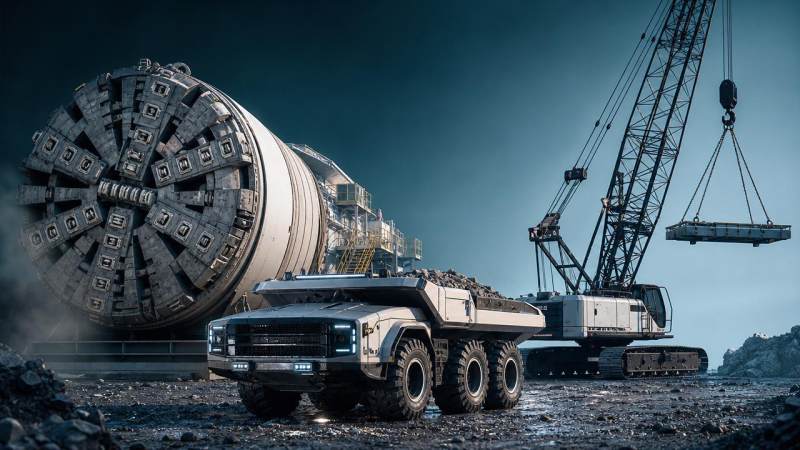
From smarter TBM cutter systems to autonomous haulage, this year’s construction machinery innovations are reshaping how infrastructure is designed, executed, and optimized. Across tunneling, mining, lifting, and road building, the most important shift is not one single machine. It is the convergence of sensing, electrification, remote control, analytics, and structural engineering discipline into equipment that delivers safer cycles, higher uptime, and better total project economics.
For an intelligence platform such as TF-Strategy, tracking construction machinery innovations means looking beyond product launches. Real value comes from judging whether a new system improves penetration rate, payload efficiency, lifting stability, paving precision, maintenance predictability, or carbon performance under real site constraints.
Why a checklist matters when tracking construction machinery innovations
Innovation headlines often overstate maturity. A machine may look advanced at exhibitions yet remain difficult to deploy in harsh geology, high altitude, or fragmented fleet environments. A checklist creates discipline.
It also helps compare unlike systems on common terms. Whether the subject is a crawler crane control package or a battery mining truck, the same questions apply: Does it raise productivity, reduce risk, simplify servicing, and fit the operating model?
Core checklist: construction machinery innovations worth tracking this year
- Prioritize sensor fusion that combines load, vibration, temperature, pressure, and positioning data into one operator view instead of isolated alarms.
- Verify autonomous or remote-control functions under real production cycles, including communication loss, dust, slope variation, and mixed-traffic conditions.
- Assess energy transition readiness by comparing diesel, hybrid, cable-electric, and battery platforms against duty cycle, charging logistics, and ambient temperature.
- Check whether predictive maintenance uses failure signatures that actually connect to parts life, not only dashboard visuals and generic fault notifications.
- Measure digital twin usefulness by asking if the model improves scheduling, cutter consumption, haul routes, lifting paths, or compaction consistency.
- Examine structural material upgrades, especially high-strength steels, wear packages, and cutter alloys that extend service intervals in abrasive conditions.
- Track machine-control accuracy for road equipment, cranes, and excavation systems where centimeters of deviation can multiply downstream costs.
- Review human-machine interface design to confirm that advanced features reduce cognitive load instead of adding menu complexity during critical operations.
- Confirm interoperability with mixed fleets, site software, and telematics standards so innovation does not create a closed operational island.
- Quantify total value through uptime, fuel burn, energy use, consumables, staffing, and safety performance rather than purchase price alone.
Where these construction machinery innovations are changing field performance
TBM systems and underground works
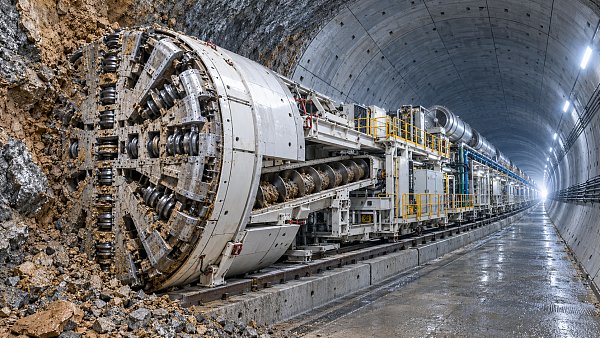
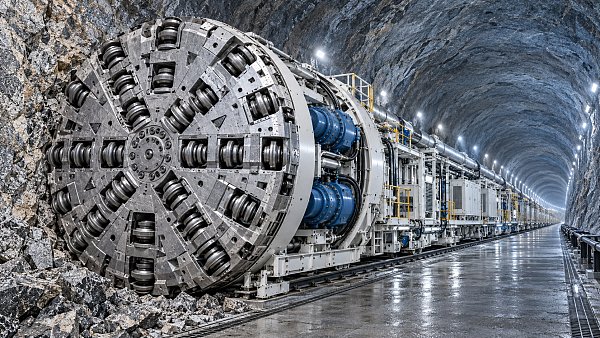
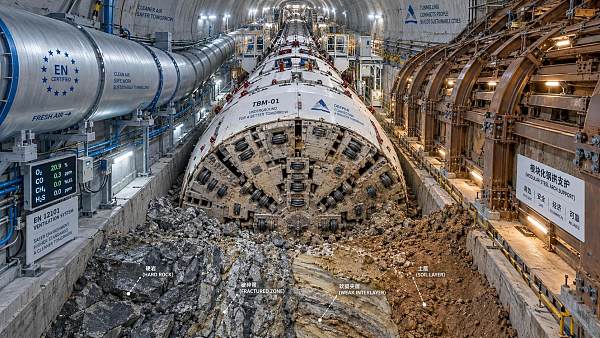
In tunneling, the most significant construction machinery innovations involve cutterhead intelligence, geological prediction, and closed-loop control. Advanced TBM platforms now correlate torque, thrust, penetration, slurry or spoil behavior, and cutter wear patterns in near real time.
What matters is not the data volume but the operational response. Better systems shorten intervention windows, improve ring-building consistency, and reduce unplanned stoppages caused by wear imbalance or unstable ground transitions.
Open-pit mining and heavy haulage
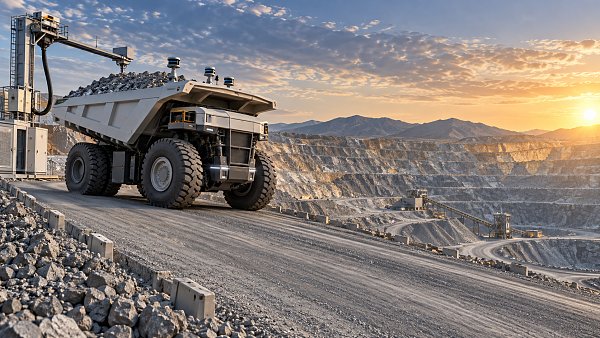
Mining fleets are pushing construction machinery innovations toward autonomy, electric powertrains, and dispatch optimization. Ultra-large excavators and dump trucks increasingly act as connected production nodes instead of stand-alone assets.
The best innovations improve match factor between loading and hauling. Autonomous truck control, queue management, tire-health analytics, and slope-aware energy modeling all contribute to lower cycle variability and stronger asset utilization.
Crawler cranes and heavy lifting
For lifting, this year’s construction machinery innovations center on stability intelligence, wind monitoring, modular transportability, and precise path planning for oversized components.
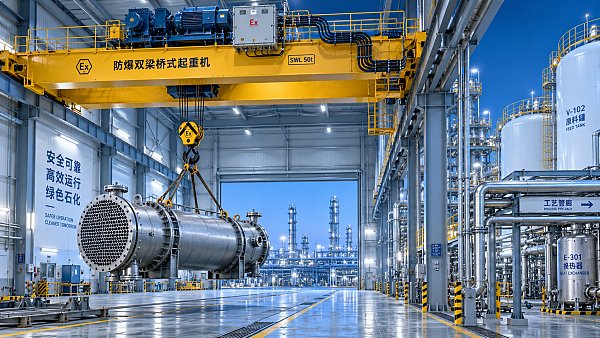
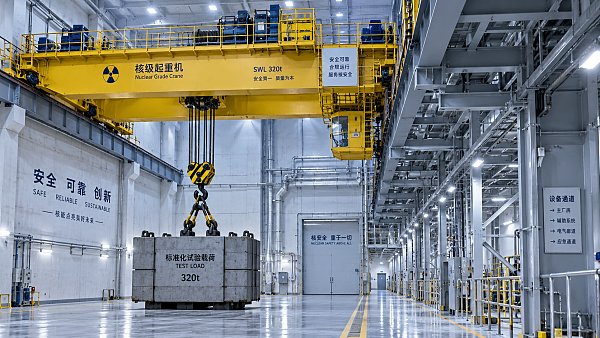
Innovation becomes valuable when it supports safer execution of wind turbine, petrochemical, and nuclear lifts. Systems that integrate ground-bearing analysis, live load feedback, and anti-collision logic reduce planning uncertainty and improve lift reproducibility.
Road machinery and paving quality
Road equipment is seeing practical construction machinery innovations in grade control, compaction intelligence, and thermal consistency tracking. These tools directly affect pavement smoothness, material waste, and rework rates.
The strongest systems close the loop between design model, paver output, roller passes, and quality verification. That helps maintain tolerance across high-speed corridors and smart highway projects with tighter lifecycle expectations.
Commonly overlooked risks when evaluating construction machinery innovations
- Ignoring site infrastructure readiness. Remote operation and electric equipment depend on stable connectivity, charging capacity, and service support that many projects still underestimate.
- Confusing feature count with productivity. A larger software stack does not guarantee faster cycles if workflows remain fragmented or alarms are poorly prioritized.
- Underestimating climate and terrain effects. Battery performance, cooling systems, traction logic, and hydraulic response can shift sharply in altitude, mud, heat, or freezing conditions.
- Neglecting consumables economics. Cutter tools, undercarriage wear, tires, wire rope, and lubrication often decide whether advanced equipment truly lowers total cost of ownership.
- Skipping interoperability checks. Valuable data can remain trapped if telematics, maintenance platforms, and planning systems cannot exchange clean operational records.
How to turn innovation tracking into practical execution
Start with a narrow performance question. Instead of asking which construction machinery innovations are most advanced, ask which innovation can reduce cutter change frequency, idle haul time, lift setup hours, or paving rework on a defined project type.
Build comparison sheets around five indicators: productivity gain, downtime reduction, safety impact, integration effort, and lifecycle cost. This keeps evaluation grounded in engineering value rather than vendor narrative.
Use pilot deployments with measurable thresholds. For example, test remote excavation against shift output, test smart compaction against density consistency, or test predictive maintenance against avoided stoppages over a fixed interval.
Review the support ecosystem as closely as the machine. Service parts availability, software update cadence, technician training, and local troubleshooting capacity often determine whether innovation scales beyond a demonstration phase.
A focused outlook for this year
The most important construction machinery innovations this year are not merely bigger machines or cleaner engines. They are systems that connect precision sensing, controllable power, robust structures, and usable intelligence into repeatable project outcomes.
For anyone tracking global heavy equipment through the lens of tunneling, mining, lifting, and road construction, the next step is simple: rank innovations by field performance, not novelty. Follow the checklist, validate under operating conditions, and focus on technologies that improve uptime, safety, and total project value at scale.
That is where this year’s real momentum lies, and where construction machinery innovations will have the strongest strategic impact.
Related News
 Oct 06, 2026Selecting Petrochemical Overhead Cranes for Hazardous Areas and Heavy Process LoadsPetrochemical overhead cranes for hazardous areas: learn how to match capacity, duty, controls, corrosion protection, and maintenance access for safer, reliable lifts.
 Oct 05, 2026Tunneling Equipment Specification Planning: Key Criteria for Ground and Project RisksEquipment specification planning tunneling: learn how to match TBM systems to ground risks, geometry, safety, logistics, and lifecycle cost for more reliable project delivery.
 Oct 04, 2026Nuclear Lifting Equipment Cost: Budgeting for Compliance, Testing, and Lifecycle RiskNuclear lifting equipment cost explained: budget for compliance, proof-load testing, installation, documentation, and lifecycle risk to make confident procurement decisions.
 Oct 03, 2026How to Assess TBM Manufacturers for Hard-Rock Tunneling Projects?Choose the right tunnel boring machine manufacturer for hard-rock projects. Explore key criteria for design, lifecycle cost, factory quality, and service support.
Prof. Marcus Chen
Weekly Insights
Stay ahead with our curated technology reports delivered every Monday.