
Mining Industry Developments in Production Capacity: What Is Driving Output Expansion?
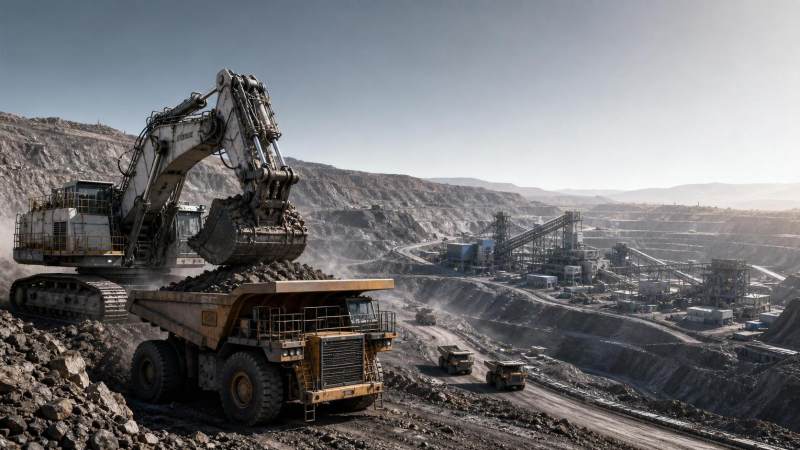
Mining industry developments production capacity has become a strategic topic because output expansion is no longer driven by volume alone. It now sits at the intersection of commodity demand, equipment capability, energy transition, permitting pressure, and capital discipline.
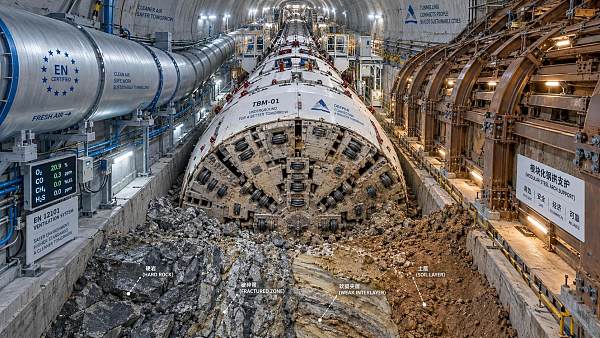
That shift matters across the wider heavy industry chain. Open-pit mining, haulage systems, road access, lifting logistics, and even tunneling for related infrastructure increasingly shape how quickly new tons reach market and at what cost.
For organizations tracking large-scale earth engineering, the real question is not simply whether production will rise. The more useful question is what kind of capacity is expanding, where the bottlenecks remain, and which assets can sustain output under stricter economic and operational conditions.
Why production capacity is moving back to the center
Several demand signals are pushing mining companies to revisit production plans. Energy transition minerals remain a clear driver, but traditional bulk materials also matter as transport corridors, power systems, and industrial construction continue to absorb steel, copper, coal, and aggregates.
At the same time, supply growth has not always matched market expectations. Ore quality declines, social license constraints, and project delays can turn nominal reserve growth into weak deliverable capacity.
This is why mining industry developments production capacity is drawing attention from beyond the mine gate. Contractors, equipment suppliers, logistics providers, and infrastructure investors all need a more realistic view of how output expansion will actually happen.
What output expansion really means in today’s market
In practice, production capacity is not just installed nameplate volume. It includes the mine’s ability to drill, blast, load, haul, process, maintain fleet availability, secure consumables, and move product through export or domestic channels.
A site may announce expansion, yet still struggle with cycle time, tire supply, water management, crusher uptime, or haul road performance. Capacity only becomes meaningful when those linked constraints are addressed together.
That is where broader heavy equipment intelligence matters. TF-Strategy’s focus on TBM systems, ultra-large excavators, crawler cranes, road machinery, and mining dump trucks reflects this integrated view of industrial output, not a narrow equipment catalog perspective.
The strongest drivers behind capacity expansion
Equipment scale and fleet renewal
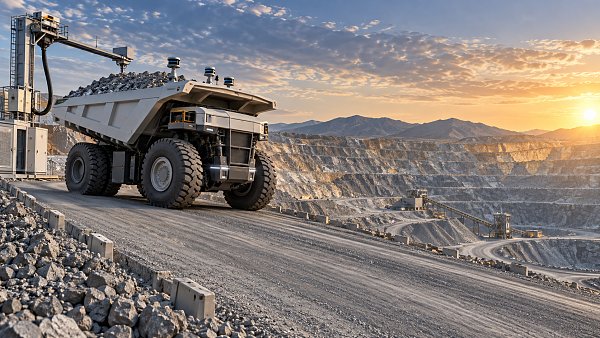
One major lever is larger and more productive equipment. Ultra-large excavators, higher-payload mining dump trucks, and upgraded loading tools can raise output without proportionally increasing labor or operating complexity.
Fleet renewal also improves reliability. Older assets often create hidden production losses through unplanned downtime, lower fuel efficiency, and weaker compatibility with digital dispatch systems.
Automation and remote operation
Automation is now part of serious mining industry developments production capacity planning. Autonomous haulage, remote-controlled excavation, predictive maintenance, and real-time fleet management can increase asset utilization and stabilize daily output.
The benefit is not only labor reduction. More important is repeatability under difficult weather, altitude, and safety conditions, where human variability can sharply affect production results.
Orebody strategy and mine sequencing
Capacity growth also depends on geology and planning discipline. Better mine sequencing, selective stripping, grade control, and waste movement strategies can improve effective output even before new equipment arrives.
This is especially relevant when ore quality is inconsistent. Expansion plans that ignore dilution risk or haul distance growth often look stronger on paper than in operation.
Infrastructure readiness
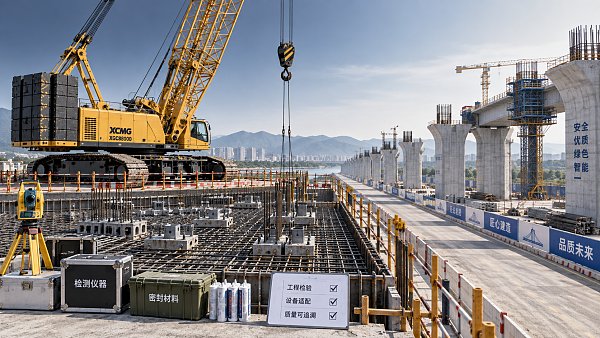
Output expansion needs roads, power, drainage, workshops, lifting support, and sometimes tunneling or civil works. Large road machinery and crawler cranes become critical where remote mines require fast site buildout or major processing upgrades.
This is one reason cross-sector visibility matters. Mining capacity is often constrained by infrastructure delivery, not by reserve potential alone.
Where the pressure points still sit
Not every expansion story is equally robust. Some capacity gains are vulnerable to a small number of operational weaknesses that are easy to overlook during bullish market cycles.
- Spare parts lead times for large mobile equipment remain uneven.
- Tire supply, fuel logistics, and workshop capability can limit haulage performance.
- Grid instability or weak on-site power systems can reduce processing throughput.
- Water permits and tailings requirements can slow practical utilization rates.
- Workforce capability may lag behind digital system deployment.
These issues explain why mining industry developments production capacity should be read as an operational question, not only a market headline. Sustainable output needs coordinated execution across the mine system.
How different expansion paths compare
Capacity can grow through greenfield development, brownfield debottlenecking, or technology-led optimization. Each path has different timing, risk, and capital intensity.
Usually, the best results come from a combination. A mine may add selective fleet upgrades, improve road conditions, and deploy remote operations before approving a larger capital program.
Why heavy equipment intelligence now carries more weight
A useful reading of mining industry developments production capacity requires attention to machine-level reality. Payload, digging force, slope performance, maintenance intervals, and material behavior directly affect the economic value of each expansion plan.
This is where an intelligence-led approach adds practical value. TF-Strategy’s coverage of heavy machinery, construction methodology, and project demand helps connect technical parameters with strategic timing and total cost of ownership.
That connection matters when evaluating pure electric mining trucks, 5G remote-controlled excavation, cutter head material iteration, or large lifting requirements tied to mine processing and energy infrastructure. These are not isolated technology stories. They influence deliverable output and risk exposure.
Signals worth tracking before committing capital
Before treating expansion as durable, several indicators deserve close review.
- Reserve quality versus stripping intensity over the next five years.
- Fleet productivity under actual site conditions, not brochure assumptions.
- Power, road, and lifting readiness for processing or transport upgrades.
- Supply chain resilience for high-value components and consumables.
- Compatibility between automation plans and existing operating culture.
- Exposure to emissions rules, water stress, and community approvals.
Taken together, these factors give a more accurate picture than headline capacity targets. They also help separate cyclical output spikes from structural production gains.
A practical way to read the next phase
The next wave of mining industry developments production capacity will likely favor operations that align equipment performance, digital control, and infrastructure execution around a clear orebody strategy.
The strongest expansion cases will not always be the largest. They will be the ones with credible logistics, realistic commissioning schedules, and asset choices suited to terrain, climate, and haul profile.
A disciplined next step is to compare announced capacity plans against operating constraints, equipment readiness, and supporting civil works. That framework makes market signals more actionable and improves judgment on where output expansion is likely to hold.
Related News
 Oct 02, 2026How to Evaluate Heavy Equipment Technology Suppliers for Fleet Uptime and SupportHeavy equipment technology suppliers can make or break fleet uptime. Learn how to assess diagnostics, data access, parts, service coverage, and support terms before you buy.
 Oct 01, 2026How to Use Technical References to Benchmark Industrial Equipment PricesIndustrial equipment technical reference pricing: learn how to normalize specifications, scope, service life, and operating costs to benchmark quotes accurately and choose the best-value equipment.
 Sep 30, 2026What Does an Ultra-Large Excavator Really Cost Over Its Service Life?Ultra-large excavators cost far more than purchase price. Explore lifecycle expenses, uptime risks, energy use, maintenance, and cost-per-tonne insights.
 Sep 29, 2026Infrastructure Construction Standards: A Project Manager’s Guide to ComplianceInfrastructure construction standards guide for project managers: turn requirements into field controls, hold points, traceability, and compliant delivery.
Prof. Marcus Chen
Weekly Insights
Stay ahead with our curated technology reports delivered every Monday.