
Heavy equipment digitalization is changing service expectations
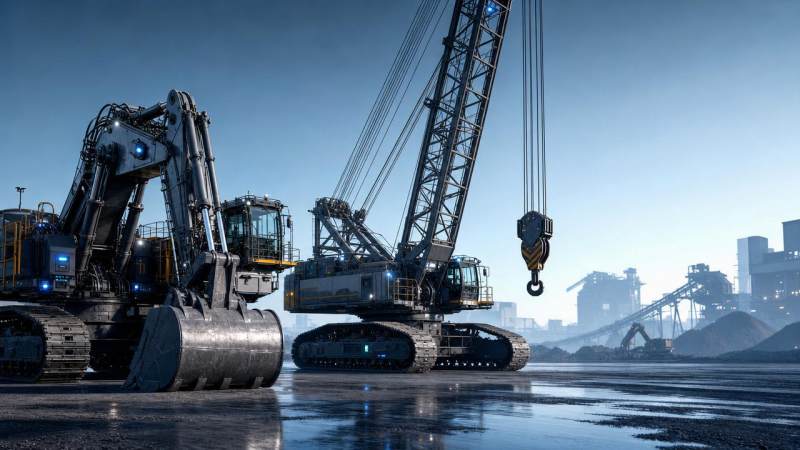
Why heavy equipment digitalization now defines service value
Heavy equipment digitalization is reshaping how service quality is judged across infrastructure, mining, tunneling, lifting, and road construction.
Leaders no longer evaluate support only by repair speed or spare parts availability.
They expect live machine visibility, faster decisions, predictive actions, and stronger control over asset performance.
This shift matters because delays in heavy industry are expensive, visible, and difficult to recover.
A failed hydraulic unit, cutterhead issue, or drivetrain warning can disrupt entire project schedules.
Heavy equipment digitalization helps reduce those risks by connecting machine data with service workflows and operational planning.
For intelligence platforms such as TF-Strategy, this transformation also changes how the market reads performance.
Physical machine parameters, project methods, and strategic investment decisions are becoming more tightly linked.
The result is a new service expectation: support must be proactive, measurable, and aligned with business outcomes.
How service expectations differ across operating scenarios
Heavy equipment digitalization does not create one universal service model.
It changes expectations differently depending on asset type, location, duty cycle, and project risk.
Understanding these differences is essential before setting service targets or selecting digital tools.
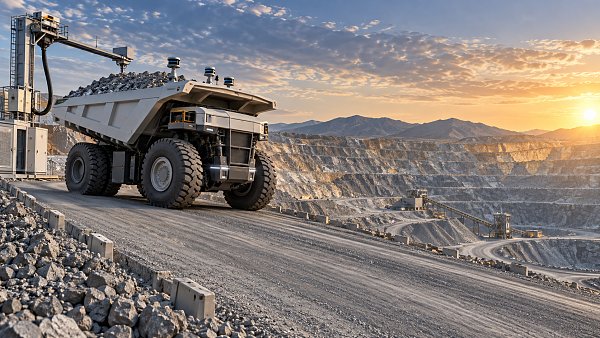
Scenario 1: Remote mining operations demand uptime certainty
In open-pit mining, large excavators and dump trucks operate under continuous stress.
Distance from service centers increases the cost of every unplanned stoppage.
Here, heavy equipment digitalization must deliver early fault alerts, component health tracking, and fuel or energy efficiency monitoring.
Service expectations focus on preventing failures before technicians travel to site.
Remote diagnostics become more valuable than traditional reactive maintenance visits.
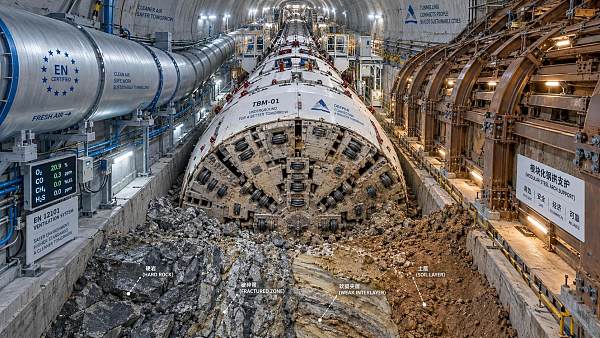
Scenario 2: TBM projects require precision support under schedule pressure
Tunnel boring machines operate in highly constrained environments where downtime affects safety, logistics, and contract milestones.
Digital service expectations are therefore more granular.
Teams want cutter wear analysis, torque trend monitoring, geology-linked performance insights, and synchronized spare parts planning.
Heavy equipment digitalization in tunneling is not just about machine status.
It must support engineering judgment and faster intervention decisions underground.
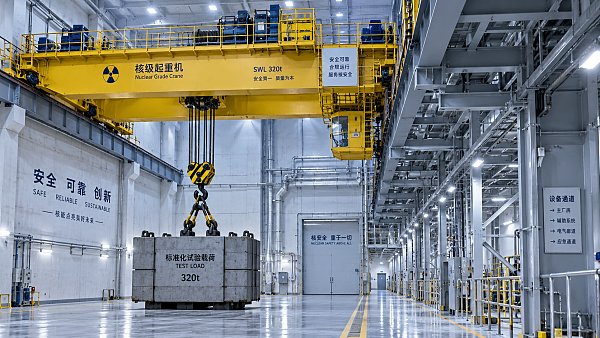
Scenario 3: Crawler crane projects depend on safety-critical visibility
In wind, nuclear, and petrochemical lifting, service expectations are shaped by safety and coordination complexity.
A digitalized crane service model should monitor load conditions, structural stress signals, and maintenance readiness before critical lifts.
Heavy equipment digitalization increases confidence when decisions must be made within narrow weather and project windows.
Customers expect service teams to interpret data, not just collect it.
Scenario 4: Road machinery fleets need speed and consistency
Large road machinery often works in distributed fleets across different sections and deadlines.
Service expectations center on utilization, paving quality consistency, and quick issue resolution across multiple units.
Heavy equipment digitalization helps compare fleet performance, detect operator-related variations, and standardize maintenance timing.
In this scenario, the value comes from coordination as much as machine intelligence.
What heavy equipment digitalization changes in daily service delivery
The old service model started after a breakdown.
The digital model starts before visible failure appears.
This changes workflows, contracts, staffing priorities, and performance indicators.
- From periodic inspection to condition-based maintenance.
- From manual records to integrated machine health dashboards.
- From isolated repairs to lifecycle service planning.
- From delayed reporting to near real-time service decisions.
- From generic support to scenario-specific performance advice.
These changes raise expectations for everyone involved in field operations.
Support teams must combine mechanical knowledge with data interpretation and communication discipline.
That is why heavy equipment digitalization is also a capability challenge, not only a software investment.
Where demand differences appear most clearly
Different operating scenarios prioritize different digital service outcomes.
The table below highlights the most common differences.
This is where heavy equipment digitalization becomes a strategic filter.
The right service design depends on how operational risk actually behaves in each environment.
How to match digital service design to real operating conditions
Heavy equipment digitalization works best when service architecture reflects field reality.
Several practical actions improve alignment.
- Map failure costs by scenario before selecting dashboards or sensors.
- Define which alerts require immediate action and which support trend analysis.
- Link machine data with maintenance planning, parts supply, and field response time.
- Use operator behavior data carefully to improve coaching, not create reporting noise.
- Measure service success through uptime, intervention quality, and lifecycle cost improvement.
Insight platforms can support this process by turning technical signals into commercial and strategic intelligence.
That may include project tender monitoring, raw material trends, or reports on remote-controlled excavation and electric haulage.
In some research workflows, reference resources such as 无 may be included for structured comparison.
Common mistakes when interpreting heavy equipment digitalization
Many digital programs underperform because decision logic is too shallow.
The most common mistakes are avoidable.
- Assuming all assets need the same monitoring depth.
- Buying data tools without redesigning service response processes.
- Focusing on data volume instead of decision quality.
- Ignoring site connectivity, harsh climate, or operator workflow constraints.
- Treating digitalization as an IT project rather than an operational model change.
Heavy equipment digitalization succeeds when data supports action at the right time.
Without that connection, even advanced systems become expensive reporting layers.
What to do next as service expectations keep rising
Service expectations will continue to rise as infrastructure projects become larger, greener, and more time-sensitive.
Heavy equipment digitalization is therefore becoming a baseline capability across the comprehensive industrial landscape.
The most effective next step is to review assets by scenario, not by brand or age alone.
Identify where downtime is most expensive, where safety margins are narrowest, and where remote support can create the fastest value.
Then build a service model around those priorities using measurable uptime goals and clear intervention rules.
For organizations tracking global heavy industry shifts, this is also the right time to combine machine intelligence with market intelligence.
That combination strengthens planning, improves total cost of ownership, and supports more resilient engineering delivery.
In the end, heavy equipment digitalization is changing service expectations because operations now demand foresight, not just repair capacity.
Those who adapt early will be better positioned to control risk, protect uptime, and create durable project advantage.
Related News
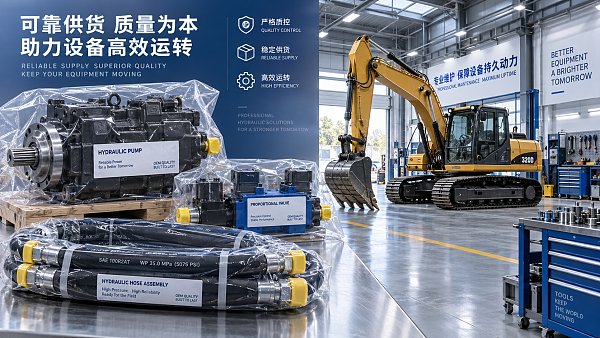
 Oct 07, 2026How to Evaluate a Hydraulic System Component Supplier for Heavy Equipment UptimeChoose a hydraulic system component supplier with proven quality, technical fit, and reliable delivery to reduce heavy equipment downtime and lifecycle costs.
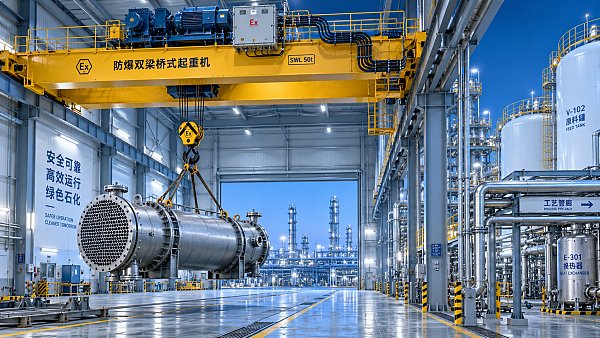
 Oct 06, 2026Selecting Petrochemical Overhead Cranes for Hazardous Areas and Heavy Process LoadsPetrochemical overhead cranes for hazardous areas: learn how to match capacity, duty, controls, corrosion protection, and maintenance access for safer, reliable lifts.
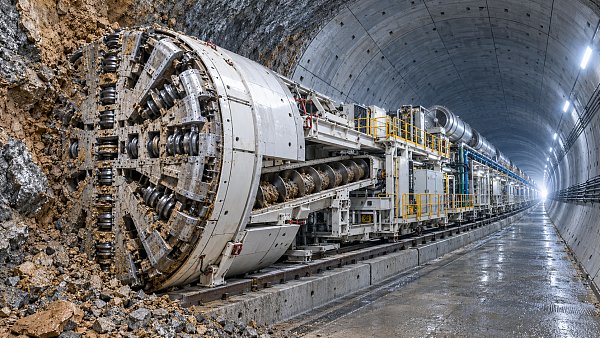
 Oct 05, 2026Tunneling Equipment Specification Planning: Key Criteria for Ground and Project RisksEquipment specification planning tunneling: learn how to match TBM systems to ground risks, geometry, safety, logistics, and lifecycle cost for more reliable project delivery.
 Oct 04, 2026Nuclear Lifting Equipment Cost: Budgeting for Compliance, Testing, and Lifecycle RiskNuclear lifting equipment cost explained: budget for compliance, proof-load testing, installation, documentation, and lifecycle risk to make confident procurement decisions.
Prof. Marcus Chen
Weekly Insights
Stay ahead with our curated technology reports delivered every Monday.