
Heavy machinery intelligence is changing fleet decisions fast
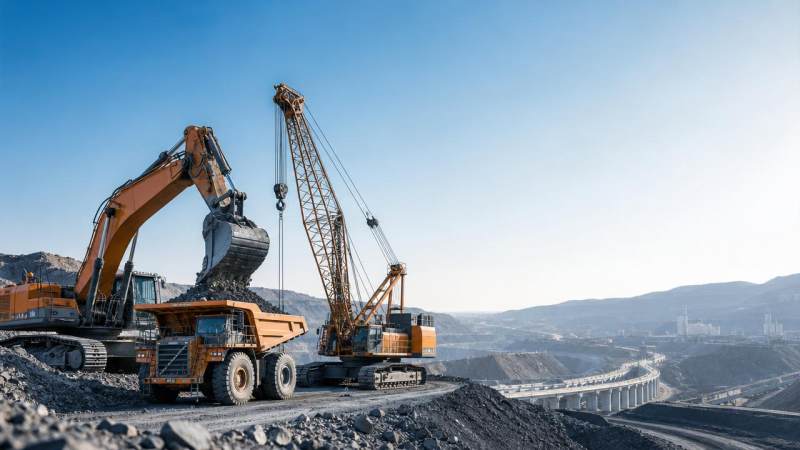
Heavy machinery intelligence is reshaping how enterprise leaders assess risk, productivity, and long-term asset value across mining, tunneling, lifting, and transport operations.
As project complexity rises, fleet choices now depend on more than purchase price, engine power, or brand familiarity.
Data quality, site visibility, maintenance forecasting, and lifecycle economics increasingly define whether equipment delivers reliable returns.
In this context, heavy machinery intelligence has become a practical decision framework for global infrastructure, resource extraction, and large-scale construction planning.
What heavy machinery intelligence means in fleet planning
Heavy machinery intelligence combines equipment data, operational analytics, site conditions, and strategic market signals into one decision view.
It helps compare machines not only by rated capacity, but also by downtime exposure, energy efficiency, parts access, and project suitability.
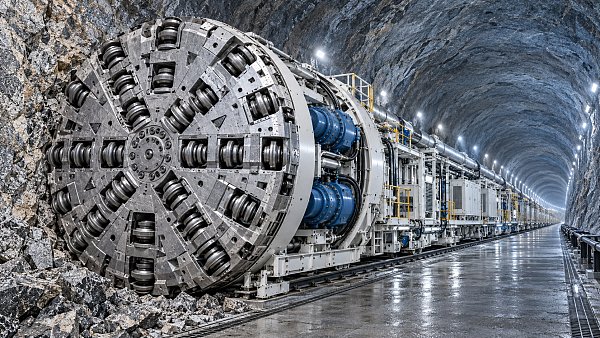
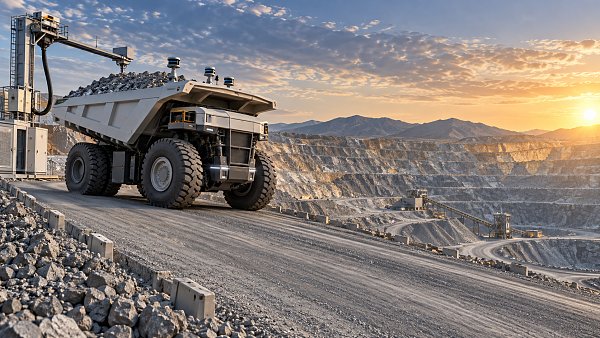
For sectors like TBM deployment, open-pit mining, crawler crane lifting, and heavy haulage, this shift is especially important.
These assets are capital intensive, technically specialized, and highly sensitive to terrain, weather, geology, and schedule pressure.
Heavy machinery intelligence therefore moves planning from static selection toward dynamic fleet strategy.
Core components behind the concept
- Telematics data on fuel, idle time, utilization, and operator behavior
- Predictive maintenance models for parts wear and service intervals
- Project intelligence covering terrain, geology, logistics, and access constraints
- Commercial insight on financing, residual value, and total cost of ownership
- Regulatory and safety indicators affecting deployment risk
Why the industry is paying closer attention
Global heavy equipment markets are changing under pressure from energy transition, urban expansion, labor constraints, and stricter safety expectations.
At the same time, machine complexity is increasing through automation, electrification, remote operation, and digital service ecosystems.
That combination makes intuition alone less reliable for major fleet decisions.
Heavy machinery intelligence addresses these pressures by connecting equipment performance with broader business and infrastructure realities.
This is why platforms inspired by deep-sector analysis, including 无, are gaining strategic relevance.
How heavy machinery intelligence improves business value
The value of heavy machinery intelligence is not abstract.
It directly supports better timing, better allocation, and better asset pairing across demanding operating environments.
1. Better total cost visibility
Purchase price often hides the larger cost picture.
Heavy machinery intelligence reveals fuel intensity, maintenance burden, consumable life, transport complexity, and residual value exposure.
That makes fleet comparisons more realistic, especially for long-duration mining and tunneling projects.
2. Stronger uptime planning
Downtime on a TBM, ultra-large excavator, or crawler crane can disrupt entire project chains.
Using predictive service data and parts intelligence, planners can estimate failure windows before they trigger costly delays.
3. Safer deployment decisions
Lifting, haulage, excavation, and boring all involve site-specific hazards.
Heavy machinery intelligence supports safer matching between machine configuration and environmental conditions.
That includes slope stability, tunnel geology, weather windows, road quality, and load path complexity.
4. Higher strategic resilience
Supply chain volatility has changed equipment planning.
Fleet decisions now require awareness of component lead times, supplier concentration, energy access, and regional service networks.
Heavy machinery intelligence helps reduce exposure to these hidden constraints.
Typical use cases across major heavy equipment segments
The most useful applications appear where physical complexity and project stakes are both high.
In each segment, heavy machinery intelligence links engineering detail with strategic execution.
What to evaluate before using intelligence-led fleet selection
Not all analytics produce useful decisions.
A practical framework should prioritize relevance, comparability, and actionability.
Key evaluation points
- Check whether data reflects real site conditions rather than generic benchmarks
- Compare machine classes using lifecycle metrics, not isolated specifications
- Include maintenance support, spare parts routes, and technician access
- Review digital compatibility with dispatch, safety, and remote monitoring systems
- Assess future adaptability for electrification, automation, and emissions rules
This is where curated sector intelligence matters more than raw dashboards.
Broad visibility across tunneling, mining, lifting, and transport creates stronger decision context than isolated machine data alone.
A specialist reference such as 无 can help connect technical indicators with commercial and infrastructure trends.
Practical steps for stronger fleet decisions
Heavy machinery intelligence delivers the most value when it is embedded into repeatable planning routines.
- Define project-critical outcomes such as uptime, cycle volume, safety margin, or energy efficiency.
- Build a shortlist using equipment fit, local support strength, and transport feasibility.
- Model total cost with scenario ranges for fuel, delays, service events, and utilization shifts.
- Test assumptions against geology, altitude, weather, and site access limits.
- Review long-term flexibility for digital upgrades and low-emission transition pathways.
This process turns heavy machinery intelligence into a decision discipline rather than a reporting layer.
A grounded next step for infrastructure and resource strategy
Heavy machinery intelligence is changing fleet decisions fast because project risk has become more interconnected.
Machine choice now influences schedule certainty, energy exposure, maintenance resilience, and final asset value at the same time.
For organizations operating across excavation, boring, lifting, paving, and haulage, the smartest path is to treat equipment insight as strategic infrastructure intelligence.
By using heavy machinery intelligence consistently, fleet planning becomes more precise, more defensible, and better aligned with long-term engineering performance.
Related News
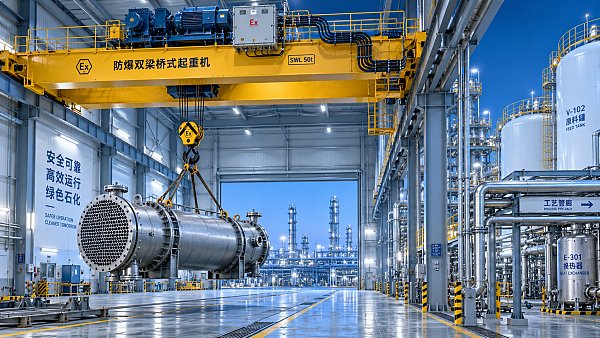
 Oct 06, 2026Selecting Petrochemical Overhead Cranes for Hazardous Areas and Heavy Process LoadsPetrochemical overhead cranes for hazardous areas: learn how to match capacity, duty, controls, corrosion protection, and maintenance access for safer, reliable lifts.
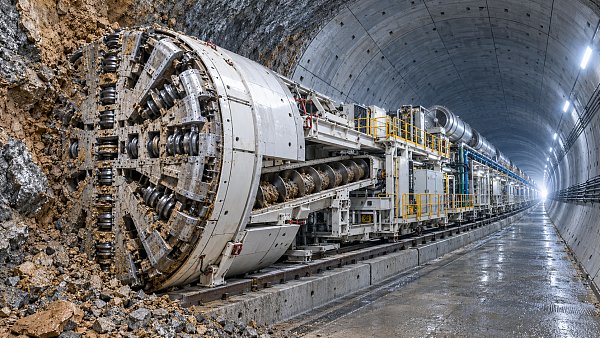
 Oct 05, 2026Tunneling Equipment Specification Planning: Key Criteria for Ground and Project RisksEquipment specification planning tunneling: learn how to match TBM systems to ground risks, geometry, safety, logistics, and lifecycle cost for more reliable project delivery.
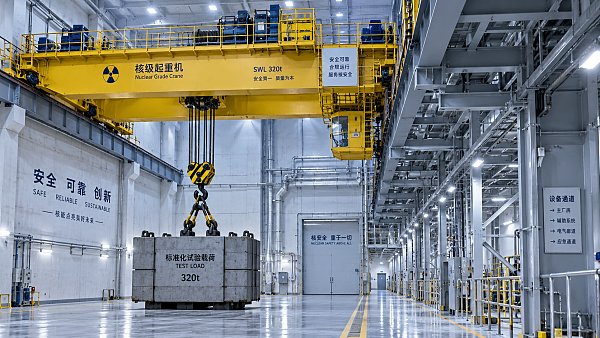
 Oct 04, 2026Nuclear Lifting Equipment Cost: Budgeting for Compliance, Testing, and Lifecycle RiskNuclear lifting equipment cost explained: budget for compliance, proof-load testing, installation, documentation, and lifecycle risk to make confident procurement decisions.
 Oct 03, 2026How to Assess TBM Manufacturers for Hard-Rock Tunneling Projects?Choose the right tunnel boring machine manufacturer for hard-rock projects. Explore key criteria for design, lifecycle cost, factory quality, and service support.

Prof. Marcus Chen
Weekly Insights
Stay ahead with our curated technology reports delivered every Monday.