
Infrastructure Development Strategies: What Drives ROI in Large Public Works Projects?
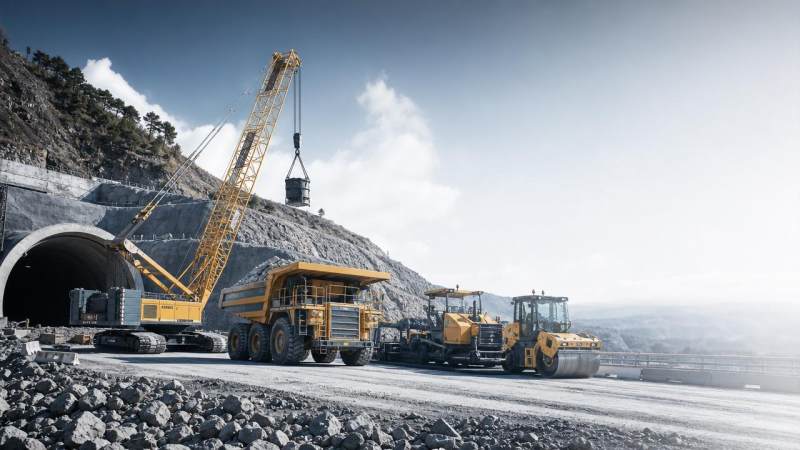
Why infrastructure development strategies now decide ROI
For enterprise decision-makers, infrastructure development strategies are no longer about building bigger. They are about turning capital intensity into predictable returns across long project cycles.
In large public works, ROI comes from better alignment between engineering method, fleet productivity, procurement timing, and lifecycle control. That sounds simple. In practice, it is where projects win or leak value.
This is especially true in tunnels, highways, mining-linked logistics, energy corridors, and mega-lift construction. Heavy equipment performance directly shapes schedule certainty, cost stability, and asset utilization.
That is why strong infrastructure development strategies increasingly rely on intelligence platforms such as TF-Strategy, which connect machine parameters, field methods, geology, and commercial signals into usable decisions.
The biggest drivers behind infrastructure development strategies that improve returns
If the goal is measurable ROI, these are the factors worth checking early, not after delays begin.
- Start with ground reality, not design optimism. Match geology, haul distance, lift loads, and paving targets to equipment capability before approving baseline budgets or timelines.
- Choose the construction method that protects throughput. TBM selection, haulage logic, lifting sequence, and road machinery precision should support output consistency, not just headline capacity.
- Model total cost of ownership from day one. Fuel, cutter wear, tire life, maintenance intervals, downtime exposure, and operator availability often decide real project margins.
- Lock in supply-chain resilience early. Spare parts, steel inputs, hydraulic components, and specialized tooling can shift delivery risk faster than most planning models assume.
- Treat utilization as a board-level metric. Idle crawler cranes, underloaded dump trucks, or poorly sequenced excavators can erase ROI even when procurement pricing looks competitive.
- Use digital monitoring to shorten reaction time. Remote diagnostics, productivity dashboards, and 5G-supported control systems help correct performance losses before they become claims.
- Build risk buffers around interfaces. Utility relocation, environmental approvals, blasting windows, and lifting permits often interrupt otherwise sound infrastructure development strategies.
- Link procurement decisions to strategic demand cycles. Intelligence on tenders, raw materials, and regional equipment demand can improve buying timing and avoid overstretched supplier networks.
Where ROI is usually won or lost in heavy public works
Many projects still overfocus on acquisition cost. The bigger ROI story usually sits in execution friction.
Take tunneling. A lower-priced TBM may look attractive at approval stage. But cutter head material mismatch, poor spoil handling, or weak maintenance planning can slow advance rates for months.
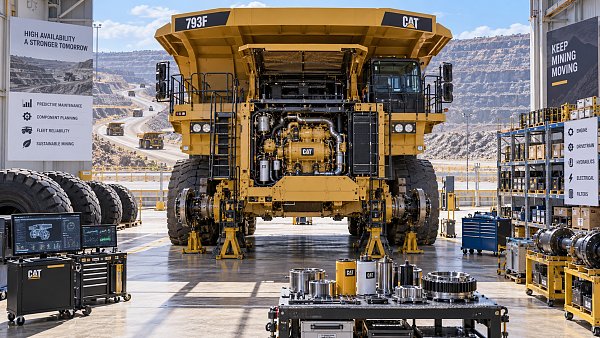
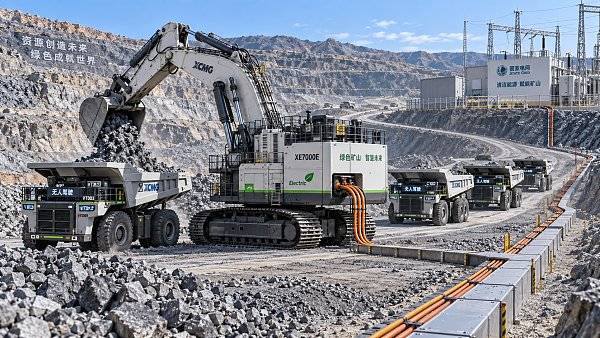
In open-pit linked infrastructure, the same pattern appears. Ultra-large excavators and mining dump trucks create value only when haul road condition, dispatch rhythm, and weather planning are built into the operating model.
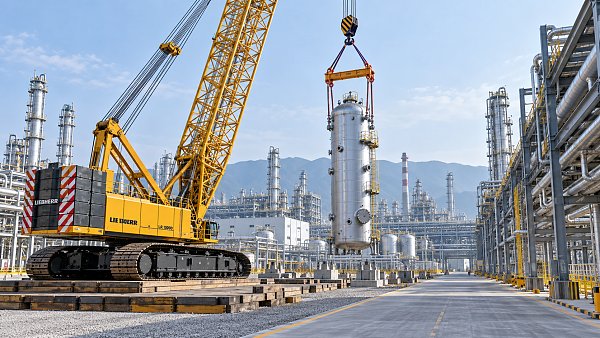
For energy and industrial projects, crawler cranes often become schedule-critical assets. One wrong lift sequence or transport bottleneck can affect multiple contractors and inflate standby costs across the chain.
A simple ROI check before capital is committed
Eight practical moves that strengthen infrastructure development strategies
The following actions work well because they are specific, measurable, and realistic for large public works environments.
1) Build the business case around throughput
Do not rely only on capex comparisons. Base approval on meters advanced, tons moved, lift cycles completed, or paving output achieved per day.
2) Use equipment intelligence before tendering
Better infrastructure development strategies begin before bids are finalized. TF-Strategy’s intelligence model helps compare machine capability, field conditions, and regional market pressure together.
3) Stress-test logistics, not just engineering
A technically sound machine plan can still fail if port access, inland transport, assembly space, or fuel supply are weak.
4) Price downtime as a real financial event
This is often missed. Downtime affects labor, subcontractors, financing costs, and milestone penalties. It should sit inside the ROI model, not outside it.
5) Set utilization triggers early
Define action thresholds for idle hours, fuel burn variance, underloaded haul cycles, and low advance rates. That turns infrastructure development strategies into active management tools.
6) Align energy transition with operating economics
Pure electric mining trucks or cleaner fleets matter, but only if charging, terrain, payload, and maintenance support are commercially workable.
7) Plan around wear-intensive components
TBM cutter heads, tires, undercarriage systems, and hydraulic components deserve their own risk planning. Their failure patterns are too important to bury in generic maintenance budgets.
8) Keep strategy tied to real market signals
Tender flow, steel price shifts, specialist labor shortages, and regional policy changes can alter project economics quickly. Infrastructure development strategies need regular intelligence updates.
How this plays out across common project settings
Urban tunneling and mountain corridors
In these projects, the best infrastructure development strategies usually combine geological foresight with disciplined equipment matching. TBM type, cutter design, muck removal, and segment supply must move as one system.
A useful checkpoint is simple: if advance rate assumptions do not reflect wear conditions and maintenance windows, projected ROI is probably inflated.
Open-pit connected roads and haul infrastructure
Here, returns depend heavily on cycle efficiency. Ultra-large excavators, mining dump trucks, and large road machinery must be planned together, not as separate packages.
Another checkpoint is road condition discipline. Poor road geometry increases tire wear, fuel burn, and cycle times, which quietly damages ROI over long periods.
Wind, nuclear, and petrochemical lifting projects
Crawler cranes are often the visible symbol of progress, but the real value sits in sequencing. Lift planning, component delivery timing, and ground preparation should be modeled together.
A common miss is standby exposure. One delayed blade, vessel, or reactor module can leave high-value lifting assets idle for days.
What often gets ignored until margins are already under pressure
Some risks are obvious. Others sit quietly inside planning assumptions.
- Do not assume service response will remain stable across remote or high-altitude sites. Travel delays and part availability can reshape maintenance economics very quickly.
- Avoid treating digital systems as optional extras. Weak data visibility usually means slower intervention, weaker accountability, and more disputed productivity assumptions later.
- Watch contract structure closely. If risk allocation ignores geology, weather, or logistics interfaces, even strong infrastructure development strategies can lose financial discipline.
- Be careful with generic benchmarking. A fleet that performs well in one basin, climate zone, or regulatory environment may underperform badly elsewhere.
Why TF-Strategy matters when projects become too complex for static planning
The value of TF-Strategy is not just information volume. It is the way intelligence is stitched across machinery physics, construction methodology, tender dynamics, and long-cycle commercial trends.
That matters for infrastructure development strategies because public works ROI depends on seeing interactions early. A cutter material issue can become a schedule issue. A material shortage can become a financing issue.
By tracking TBMs, ultra-large excavators, crawler cranes, road machinery, and mining dump trucks together, TF-Strategy helps connect field performance with strategic decision quality.
A practical next step for better infrastructure development strategies
If ROI is the real priority, start by reviewing one active or planned project through four lenses: equipment fit, throughput logic, downtime exposure, and supply-chain resilience.
Then compare those findings against current market intelligence, especially for high-impact assets such as TBMs, crawler cranes, road machinery, and heavy haulage systems.
The strongest infrastructure development strategies are rarely the most aggressive on paper. They are the ones that connect engineering reality with disciplined capital logic, then keep adjusting as project conditions shift.
That is where measurable ROI usually comes from: fewer assumptions, better asset decisions, and a clearer view of how power and precision create long-term infrastructure value.
Related News
 Oct 19, 2026Sizing Industrial Hydraulic Power Packs: Pressure, Flow, and Duty CycleSize industrial hydraulic power packs with confidence. Learn how pressure, flow, and duty cycle affect performance, energy costs, and heat control—and avoid costly sizing mistakes.
 Oct 18, 2026How Equipment Specifications Affect Purchase, Installation, and Operating CostsExplore equipment specification planning cost factors that shape purchase, installation, and operating budgets. Compare lifecycle costs, avoid oversizing, and buy with confidence.
 Oct 17, 2026Tunnel Boring Machine Supplier List: Compare TBM Types and Service CoverageExplore our tunnel boring machinery supplier list to compare EPB, slurry and hard rock TBMs, assess service coverage and lifecycle costs, and build a smarter procurement shortlist.
 Oct 16, 2026Heavy-Duty Petrochemical Lifting: Selecting Cranes by Load, Radius, and Site AccessExplore heavy-duty petrochemical lifting solutions. Compare cranes by load, radius, site access, and ground support to reduce project risk and optimize lifting costs.
Prof. Marcus Chen
Weekly Insights
Stay ahead with our curated technology reports delivered every Monday.