
Mining Industry Developments to Watch: Supply Chain, Electrification, and Capex Priorities
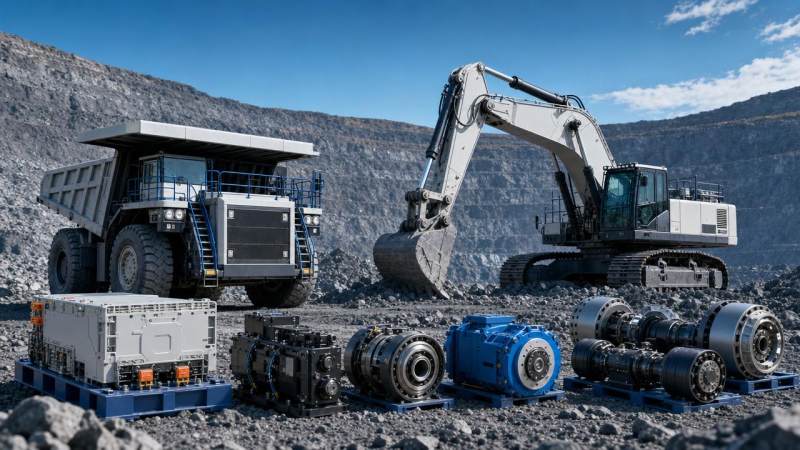
Mining industry developments now shape far more than production forecasts. They influence how operators secure parts, sequence equipment upgrades, and decide where capital should move first.
That matters because mining sits inside a wider industrial system. Open-pit fleets, haul roads, cranes, and material handling assets increasingly depend on the same strained supply networks and decarbonization pressures.
For groups tracking heavy equipment and infrastructure, the real question is no longer whether change is coming. It is which mining industry developments deserve immediate attention, and which can wait.
Why this cycle feels different
Commodity cycles have always shaped mining investment, but the current environment adds several layers of complexity. Energy transition demand is lifting interest in copper, nickel, lithium, and iron ore at the same time.
Meanwhile, equipment costs remain elevated, financing is more selective, and delivery certainty has become a strategic variable. In practice, mining industry developments are now tied to resilience, not only expansion.
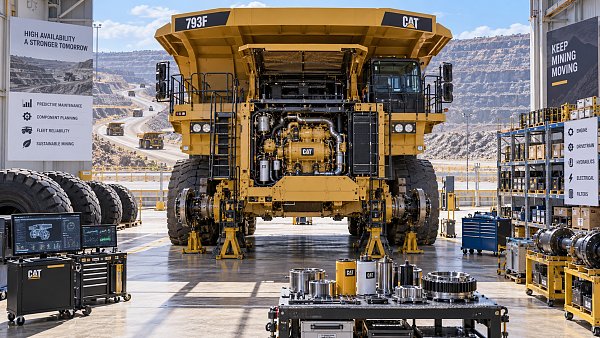
This is especially visible in high-value assets. Ultra-large excavators, mining dump trucks, and supporting road machinery all require long planning windows, specialized components, and disciplined lifecycle management.
The result is a more connected decision model. Production planning, fleet design, power supply, automation readiness, and capex approval now interact much earlier than before.
Supply chain is now a board-level operating issue
Among current mining industry developments, supply chain strategy has moved from procurement detail to enterprise risk management. The concern is not only price inflation, but timing, quality consistency, and replacement flexibility.
Critical exposure often appears in areas that seem routine. Tires, hydraulic components, power electronics, bearings, structural steel, and high-wear ground engaging tools can each slow output if replacement windows slip.
For mining fleets, the issue extends beyond mine-site equipment. Port congestion, road restrictions, heavy lift capacity, and fabrication bottlenecks can all delay commissioning and raise total installed cost.
This is where intelligence-led monitoring becomes useful. TF-Strategy’s focus on heavy machinery, project tenders, raw material flows, and equipment evolution reflects how supply conditions connect directly to operating readiness.
Signals worth tracking
- Lead times for engines, battery systems, traction components, and hydraulic assemblies
- Supplier concentration in specialized wear parts and fabricated structures
- Transport availability for oversized modules and heavy haulage equipment
- Contract terms covering substitutions, spares, and service response windows
A resilient supply model does not mean overstocking everything. It means identifying which components can stop revenue, then protecting those points with sourcing depth, service coverage, and realistic maintenance intervals.
Electrification is moving from pilot concept to asset strategy
Electrification stands out among mining industry developments because it affects fleet architecture, energy infrastructure, maintenance skills, and long-term cost structure at the same time.
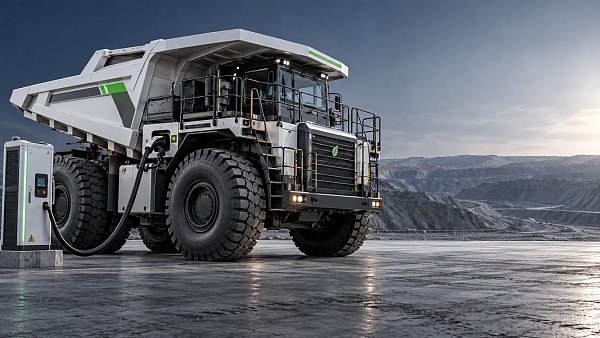
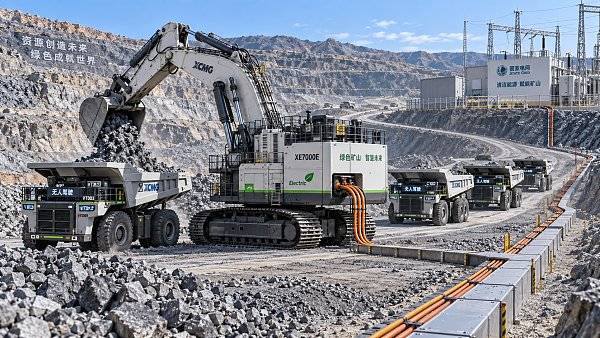
The commercial logic is strongest where haul cycles are predictable, energy access is improving, and decarbonization commitments are measurable. Pure electric mining trucks are no longer a distant idea in those settings.
Still, electrification is not a simple equipment swap. Battery weight, charging dwell time, thermal performance, payload trade-offs, and site power stability all affect whether a business case survives field conditions.
That is why successful evaluation starts with operating physics. Gradient, haul distance, altitude, temperature swings, and queue behavior often matter more than headline battery capacity.
Where adoption tends to make sense first
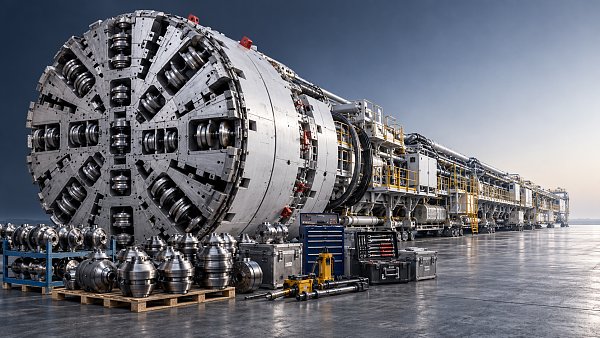
In broader heavy industry, the same lesson appears elsewhere. Whether examining TBM systems, crawler cranes, or road machinery, transition technologies succeed when physical constraints and operating methods are studied together.
Capex priorities are becoming more selective
Not every important mining industry development leads to immediate spending. In many cases, the smarter move is to stage capital around bottlenecks that produce measurable operating leverage.
That changes the old expansion-first mindset. Capital now competes across replacement needs, automation upgrades, emissions goals, digital monitoring, and mine-life extensions.
A disciplined capex framework usually starts with three questions. Which assets constrain output today, which risks threaten continuity, and which investments will still make sense if the price cycle softens?
This approach favors projects with operational clarity. Examples include haulage optimization, shovel-truck matching, fleet health diagnostics, power system upgrades, and targeted replacement of high-failure components.
How investment logic is shifting
- From headline capacity to dependable utilization
- From lowest purchase price to lifecycle economics
- From isolated machine decisions to system compatibility
- From short procurement wins to long service assurance
In this sense, mining industry developments should be read through TCO, uptime, and adaptation potential. Assets that fit a future operating model deserve priority over equipment that only looks cheaper on entry.
The digital layer is becoming impossible to separate
Another notable feature of current mining industry developments is the merge between physical equipment and digital operating systems. Remote control, diagnostics, and real-time fleet visibility are no longer optional side projects.
The strongest value often comes from decision speed. Better data improves dispatching, maintenance planning, spare parts forecasting, and energy management before a breakdown turns expensive.
TF-Strategy’s attention to 5G remote-controlled excavation and commercial insights around equipment evolution points to a larger industry truth. Digital capability increasingly determines how well expensive machines translate into productive output.
This matters for capex screening as well. A truck, excavator, or support asset that cannot integrate with fleet analytics may create hidden limits even if its mechanical performance appears adequate.
What to watch across operating scenarios
Mining industry developments do not land evenly across all sites. Ore type, geography, energy access, climate, and project maturity create different priorities.
High-altitude and extreme-temperature operations, for example, face tougher conditions for both diesel reliability and battery performance. That changes maintenance planning, charging strategy, and parts inventory logic.
Large greenfield projects have more freedom to redesign infrastructure. Brownfield operations, by contrast, often need phased upgrades that protect current output while preparing for future fleet transitions.
Cross-sector visibility helps here. Lessons from heavy lifting, tunneling, and road machinery often reveal how logistics, service support, and equipment integration should be planned before the first machine arrives.
A practical framework for the next decision cycle
A useful response to mining industry developments starts with sharper questions, not bigger assumptions. The goal is to separate structural change from temporary market noise.
- Map critical supply dependencies by component, service region, and lead time
- Test electrification against real haul cycles, site energy conditions, and thermal limits
- Rank capex by uptime effect, flexibility, and payback resilience
- Check whether new assets fit digital monitoring and remote operating goals
- Track project tenders, raw material shifts, and technology signals continuously
The most valuable next step is usually a structured review of fleet exposure, energy readiness, and replacement priorities. That creates a clearer basis for comparing suppliers, timing investments, and reading future mining industry developments with more confidence.
Related News
 Oct 20, 2026Which Heavy Machinery Maintenance Standards Apply to Your Construction Fleet?Discover which heavy machinery maintenance standards apply to your fleet. Clarify legal duties, OEM requirements, and inspection rules to reduce risk and keep equipment ready for work.
 Oct 19, 2026Sizing Industrial Hydraulic Power Packs: Pressure, Flow, and Duty CycleSize industrial hydraulic power packs with confidence. Learn how pressure, flow, and duty cycle affect performance, energy costs, and heat control—and avoid costly sizing mistakes.
 Oct 18, 2026How Equipment Specifications Affect Purchase, Installation, and Operating CostsExplore equipment specification planning cost factors that shape purchase, installation, and operating budgets. Compare lifecycle costs, avoid oversizing, and buy with confidence.
 Oct 17, 2026Tunnel Boring Machine Supplier List: Compare TBM Types and Service CoverageExplore our tunnel boring machinery supplier list to compare EPB, slurry and hard rock TBMs, assess service coverage and lifecycle costs, and build a smarter procurement shortlist.
Prof. Marcus Chen
Weekly Insights
Stay ahead with our curated technology reports delivered every Monday.