
Is new energy construction changing project risk in 2026?
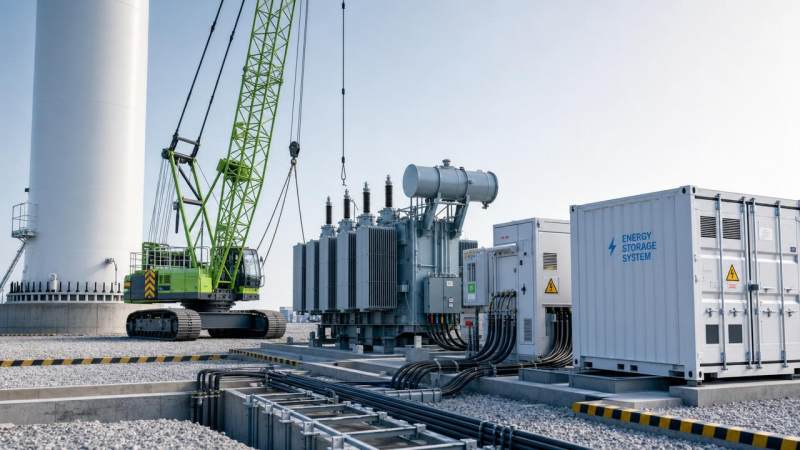
As global infrastructure pivots toward decarbonization, new energy construction is reshaping how cost, schedule, safety, and equipment performance are judged. In 2026, project risk will not be driven only by labor, geology, or supply volatility. It will also be shaped by grid connection, technology maturity, carbon policy, and financing discipline. For capital-intensive sectors, this means new energy construction must be evaluated through a broader operational lens.
Why new energy construction requires a checklist mindset in 2026
Traditional project reviews often isolate engineering, procurement, and site execution. That approach is now too narrow. New energy construction links civil works, power electronics, digital monitoring, and regulatory compliance in one risk chain.
A delayed transformer can affect commissioning. A weak haul road can limit crane movement. A grid-code change can alter revenue assumptions. In heavy industry, one overlooked interface can magnify risk across the entire asset lifecycle.
That is why a checklist approach matters. It converts broad uncertainty into visible control points, helping teams compare projects, test assumptions, and identify where new energy construction changes the risk profile most.
Core checklist for judging project risk in new energy construction
- Map grid readiness before mobilization, including substation capacity, interconnection lead times, curtailment exposure, and the reliability of regional power evacuation infrastructure.
- Verify technology maturity across turbines, batteries, inverters, hydrogen systems, and monitoring software instead of assuming commercial labels mean stable field performance.
- Test civil and geotechnical assumptions early, especially for crane pads, access roads, foundations, excavation zones, and mountain or soft-ground logistics corridors.
- Audit heavy equipment fit, checking whether crawler cranes, road machinery, dump trucks, and TBM-related support systems match actual site constraints and lifting sequences.
- Review supply chain concentration, focusing on transformers, rare materials, long-lead bearings, cable systems, and specialist transport providers with limited regional redundancy.
- Model capital efficiency under multiple scenarios, including interest rate shifts, carbon pricing, delayed energization, and lower-than-expected equipment utilization.
- Check digital integration risks by examining remote diagnostics, SCADA reliability, cybersecurity controls, sensor quality, and data handoff between contractors and operators.
- Stress-test construction sequencing, ensuring weather windows, oversize transport permits, lift plans, and commissioning dependencies are coordinated instead of managed separately.
- Assess workforce capability for new energy construction, especially in high-voltage safety, battery handling, precision installation, and hybrid mechanical-electrical troubleshooting.
- Quantify permitting and ESG exposure, including land access, biodiversity constraints, noise limits, community acceptance, and cross-border compliance obligations.
How project risk changes across different construction scenarios
Wind power and ultra-large lifting projects
In wind-related new energy construction, risk increasingly sits in logistics and lifting interfaces. Taller towers and larger blades raise transport complexity, road reinforcement needs, and weather sensitivity during installation.
Crawler crane selection becomes a strategic risk decision, not a routine rental choice. Capacity, boom configuration, ground bearing pressure, and site assembly time can materially affect schedule certainty and total project cost.
Mining electrification and open-pit energy transition
For mines adding renewable power, storage, or electric haulage, new energy construction changes operational risk as much as construction risk. Charging infrastructure, slope traffic patterns, and high-altitude performance all matter.
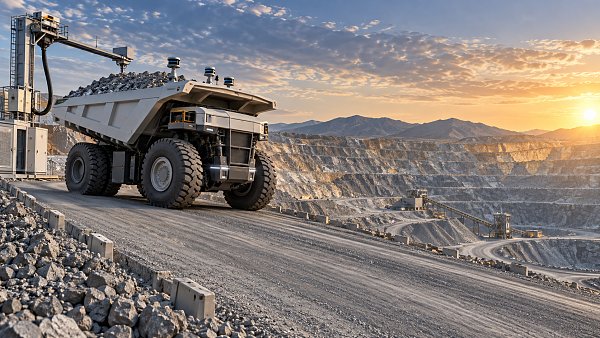
Pure electric mining trucks may improve long-term operating economics, but only if charging cycles, grid stability, and maintenance capability are aligned with production rhythms. Otherwise, energy transition can reduce fleet availability.
Tunnels, underground works, and power-linked civil packages
In tunnel and underground programs, new energy construction often appears indirectly through power supply upgrades, ventilation changes, and electrified support systems. That shifts risk toward power continuity and systems integration.
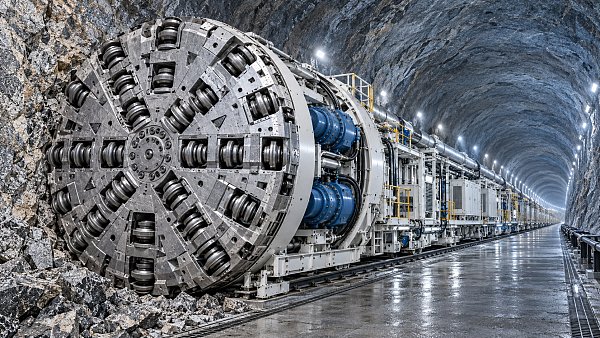
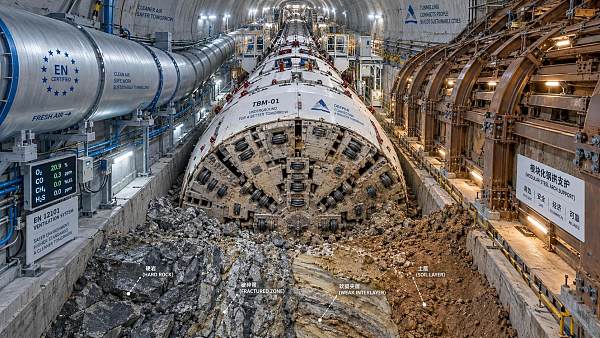
TBM support planning must also consider cable routing, backup generation, and digital control resilience. Underground progress can slow quickly if electrical interfaces are treated as secondary engineering items.
Industrial plants, hydrogen, and hybrid energy hubs
Hybrid energy sites combine civil works, process equipment, storage, and grid assets. In this form of new energy construction, the biggest risk is often commissioning, because multiple systems must become stable at the same time.
Hydrogen projects add another layer. Water quality, compression systems, safety zoning, and offtake certainty can all reshape bankability even when the physical build appears advanced.
Commonly overlooked risk items
- Temporary power is often underestimated. Construction can stall when early-stage energy demand for camps, dewatering, cranes, or testing exceeds provisional supply design.
- Access infrastructure receives too little attention. Weak roads, turning limits, or seasonal ground failure can disrupt oversized deliveries more than equipment shortages do.
- Interface ownership remains unclear on many sites. When civil, electrical, and digital scopes overlap, unresolved responsibility drives claims, rework, and hidden delay.
- O&M assumptions are sometimes disconnected from construction choices. A design that reduces capex may later increase spare parts demand, inspection frequency, or outage duration.
- Climate exposure is rising. Heat, flooding, dust, icing, and wind extremes can alter both installation productivity and long-term equipment degradation in new energy construction.
Practical execution steps to reduce risk
Start with a risk register that connects engineering decisions to equipment deployment and financing assumptions. This avoids treating technical changes as isolated field issues.
Build procurement around bottleneck components first. In new energy construction, transformers, specialist lifting assets, and control systems frequently define the real schedule path.
Use scenario planning instead of one baseline program. Compare best-case, constrained-grid, and delayed-supply cases, then assign trigger points for contract action and contingency release.
Integrate field intelligence from heavy equipment operations. Ground pressure, transport envelope, cutter wear, haul cycle efficiency, and lift windows often reveal hidden feasibility gaps earlier than desktop reviews.
Link commissioning strategy to construction sequencing from day one. For complex new energy construction, handover risk often begins months before mechanical completion.
What this means for 2026 decision quality
Yes, new energy construction is changing project risk in 2026, but not simply by adding greener technology. It is changing the structure of risk itself, shifting attention from isolated tasks to interconnected systems.
Projects will perform better when risk reviews combine heavy equipment realities, infrastructure interfaces, and long-term operating logic. That is especially true where cranes, mining fleets, TBM support systems, and grid assets intersect.
The next step is practical: apply a project-by-project checklist, rank the top five exposure points, and test whether each one is controllable through design, procurement, sequencing, or contract structure. In 2026, resilience in new energy construction will come from disciplined intelligence, not optimism.
Related News
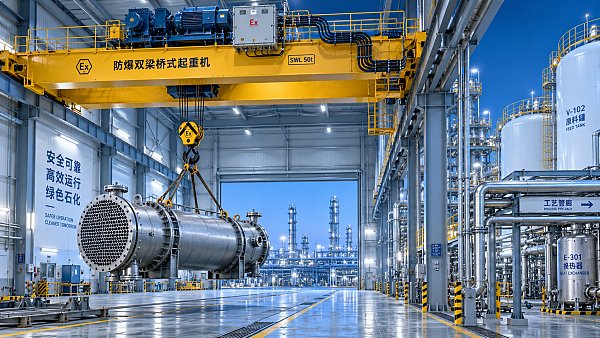
 Oct 06, 2026Selecting Petrochemical Overhead Cranes for Hazardous Areas and Heavy Process LoadsPetrochemical overhead cranes for hazardous areas: learn how to match capacity, duty, controls, corrosion protection, and maintenance access for safer, reliable lifts.
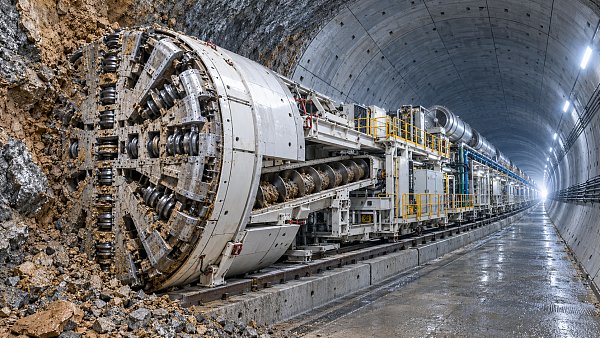
 Oct 05, 2026Tunneling Equipment Specification Planning: Key Criteria for Ground and Project RisksEquipment specification planning tunneling: learn how to match TBM systems to ground risks, geometry, safety, logistics, and lifecycle cost for more reliable project delivery.
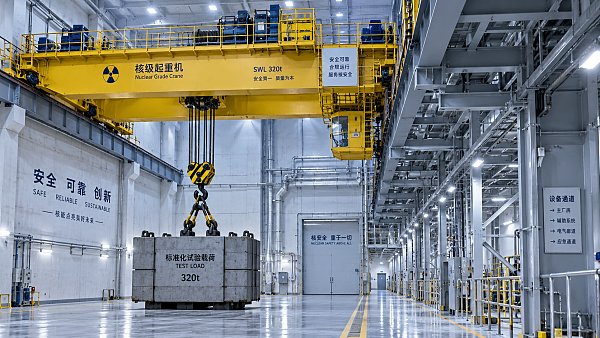
 Oct 04, 2026Nuclear Lifting Equipment Cost: Budgeting for Compliance, Testing, and Lifecycle RiskNuclear lifting equipment cost explained: budget for compliance, proof-load testing, installation, documentation, and lifecycle risk to make confident procurement decisions.
 Oct 03, 2026How to Assess TBM Manufacturers for Hard-Rock Tunneling Projects?Choose the right tunnel boring machine manufacturer for hard-rock projects. Explore key criteria for design, lifecycle cost, factory quality, and service support.
Prof. Marcus Chen
Weekly Insights
Stay ahead with our curated technology reports delivered every Monday.