
Lifting machinery for construction is changing faster than expected
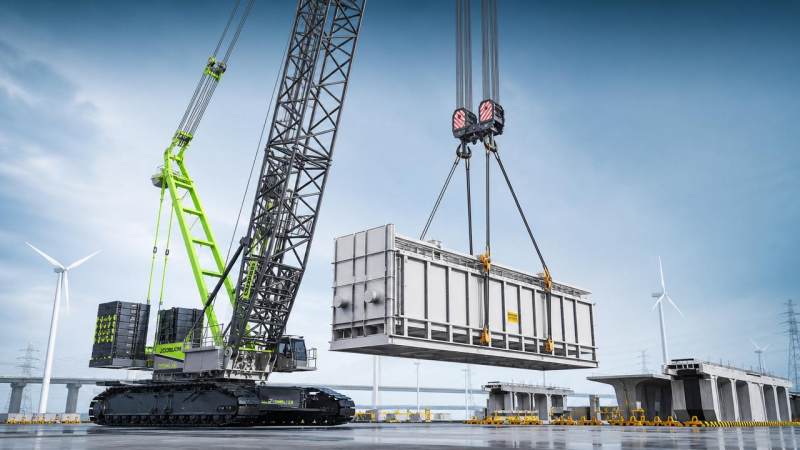
Lifting machinery for construction is changing faster than many expected. New crane technologies, digital controls, and energy pressures are reshaping decisions across infrastructure, mining, energy, and heavy civil projects.
For companies tracking global heavy equipment, this shift affects more than equipment choice. It influences project sequencing, capital planning, labor productivity, safety exposure, and long-term fleet strategy.
At TF-Strategy, close observation of crawler cranes, ultra-large machinery, and strategic engineering intelligence shows one clear pattern. Lifting machinery for construction is becoming smarter, more specialized, and more tightly linked to total project outcomes.
The pace of change in lifting machinery for construction is no longer gradual
The traditional upgrade cycle used to be slow. Capacity increases, boom refinements, and transport improvements arrived over many years. That pattern has broken.
Today, lifting machinery for construction evolves through connected software, sensor systems, modular design, remote diagnostics, and stricter site requirements. Mechanical progress now moves together with digital progress.
This matters because large infrastructure projects cannot absorb equipment lag easily. A crane fleet chosen on yesterday’s assumptions may underperform on today’s schedule, safety, or emissions expectations.
The strongest signals appear in wind power erection, petrochemical modules, nuclear support work, bridge segments, and mega-plant construction. These applications demand precision, uptime, and rapid assembly under rising compliance pressure.
Several trend signals show why the market is accelerating
Recent market signals suggest that lifting machinery for construction is entering a more strategic phase. Equipment selection now reflects engineering compatibility, not only tonnage or rental price.
- Heavier prefabricated modules require higher lifting capacity and better stability planning.
- Remote project sites increase demand for faster assembly and easier transport logistics.
- Digital jobsite management pushes cranes to integrate with telematics and predictive maintenance tools.
- Energy transition projects create new lifting profiles, especially in offshore-adjacent and onshore wind installation chains.
- Insurance and compliance standards now reward visibility, traceability, and operating discipline.
These signals show why lifting machinery for construction can no longer be treated as an isolated fleet asset. It is part of a broader delivery system.
What is driving the transformation of lifting machinery for construction
The speed of change comes from several combined forces. Their interaction is more important than any single technology trend.
In practical terms, lifting machinery for construction is moving from brute force toward integrated performance. Capacity still matters, but intelligent operation increasingly decides value.
Crawler cranes remain central, but expectations have changed
Crawler cranes remain the steel backbone of major lifting operations. Yet expectations now include transport efficiency, setup speed, digital diagnostics, and better compatibility with complex site constraints.
This is especially visible in projects involving wind turbine components, refinery modules, heavy bridge sections, and large industrial packages. Precision and predictability carry more weight than before.
The impact reaches cost, schedule, and risk at the same time
When lifting machinery for construction changes, its effect is not limited to operations teams. It influences the entire project economics model.
- Cost structures shift through fuel use, assembly labor, transport complexity, and maintenance predictability.
- Schedules improve when cranes are matched correctly to lift paths, component weight, and weather windows.
- Risk exposure falls when monitoring systems identify overload trends, component wear, or unstable operating conditions early.
This is why lifting machinery for construction now shapes upstream engineering and downstream commissioning. An underplanned lift strategy often creates invisible delays that surface much later.
In large programs, one crane decision can affect foundation timing, transport corridors, subcontract coordination, and insurance documentation. The equipment is no longer a late-stage choice.
The most important business implications are becoming clearer
The market is revealing several practical implications for organizations involved in infrastructure, energy, mining, and industrial construction.
- Fleet planning must be linked to project type, not generic utilization assumptions.
- Lifecycle value is overtaking simple acquisition cost in equipment evaluation.
- Digital service support is becoming a core selection factor.
- High-value projects increasingly reward lift planning sophistication.
- Data quality will influence future financing, compliance, and resale confidence.
For TF-Strategy’s heavy industry intelligence framework, these implications connect directly with broader earth engineering trends. Equipment performance, methodology, and strategic project needs are becoming inseparable.
Key issues deserve close attention before the next equipment decision
Organizations reviewing lifting machinery for construction should focus on a few high-impact questions. These questions often reveal hidden strengths or weaknesses in current planning.
- Does the selected crane match future component sizes, not only current loads?
- How quickly can the machine be mobilized, assembled, and redeployed?
- What telematics data is available for uptime forecasting and maintenance control?
- How resilient is the support chain for parts, field service, and specialist knowledge?
- Can the equipment help meet environmental, safety, and reporting expectations over several years?
These points matter because lifting machinery for construction is now evaluated in a wider operational context. A machine that looks competitive on paper may create constraints during execution.
A practical response should combine intelligence, timing, and flexibility
The best response is not simply buying bigger machines. It is building a stronger decision process around lifting requirements, project evolution, and technology adoption speed.
This framework helps interpret lifting machinery for construction as part of a strategic infrastructure system. It also supports better timing for replacement, rental, partnership, or hybrid fleet decisions.
The next advantage will come from better judgment, not only bigger equipment
The direction is clear. Lifting machinery for construction will continue to become more data-enabled, more application-specific, and more relevant to enterprise-level competitiveness.
That creates an opportunity. Those who read change early can reduce cost volatility, improve delivery quality, and strengthen resilience across major projects.
TF-Strategy follows these developments through a heavy-industry intelligence lens that connects machinery parameters, construction methods, and strategic infrastructure demand. In a market defined by power and precision, stronger insight leads to stronger execution.
Now is the right time to review how lifting machinery for construction fits future project pipelines, digital requirements, and risk controls. The faster the market moves, the more valuable informed action becomes.
Related News
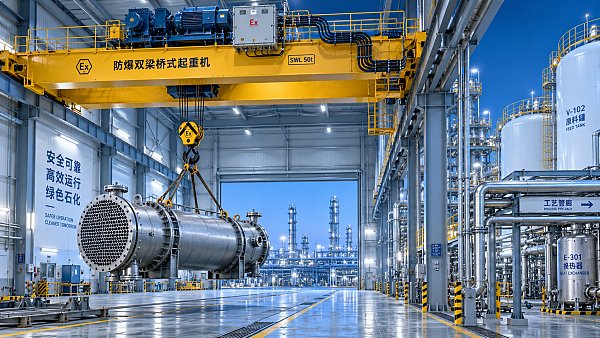
 Oct 06, 2026Selecting Petrochemical Overhead Cranes for Hazardous Areas and Heavy Process LoadsPetrochemical overhead cranes for hazardous areas: learn how to match capacity, duty, controls, corrosion protection, and maintenance access for safer, reliable lifts.
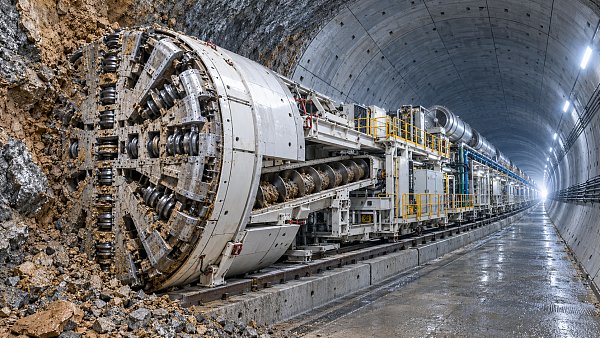
 Oct 05, 2026Tunneling Equipment Specification Planning: Key Criteria for Ground and Project RisksEquipment specification planning tunneling: learn how to match TBM systems to ground risks, geometry, safety, logistics, and lifecycle cost for more reliable project delivery.
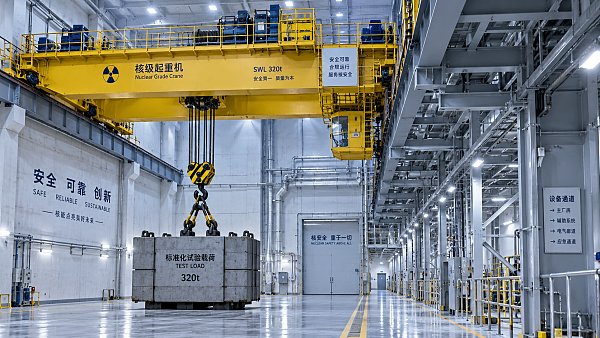
 Oct 04, 2026Nuclear Lifting Equipment Cost: Budgeting for Compliance, Testing, and Lifecycle RiskNuclear lifting equipment cost explained: budget for compliance, proof-load testing, installation, documentation, and lifecycle risk to make confident procurement decisions.
 Oct 03, 2026How to Assess TBM Manufacturers for Hard-Rock Tunneling Projects?Choose the right tunnel boring machine manufacturer for hard-rock projects. Explore key criteria for design, lifecycle cost, factory quality, and service support.
Prof. Marcus Chen
Weekly Insights
Stay ahead with our curated technology reports delivered every Monday.