
Mining Equipment Trends: What Rising Automation Means for Fleet Planning
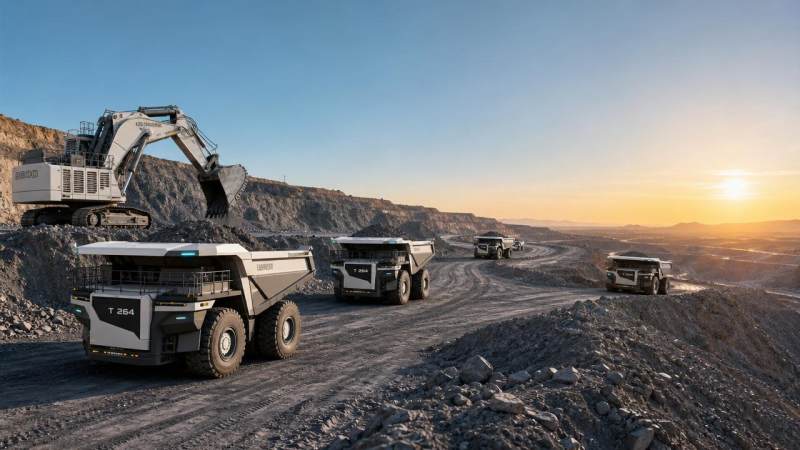
Mining equipment trends are no longer defined only by larger payloads or stronger engines. Automation now shapes how fleets are bought, deployed, maintained, and expanded across open-pit mining and related heavy industry operations.
That shift matters because automated haulage, remote diagnostics, and data-led maintenance change the economics of uptime. They also change risk exposure, labor planning, energy strategy, and the timing of capital replacement.
For organizations tracking global heavy equipment, the issue is broader than a single machine category. It links mining dump trucks, ultra-large excavators, digital controls, and infrastructure delivery standards into one planning question: what kind of fleet stays competitive over the next decade?
Why automation has become a fleet planning issue
In earlier cycles, automation was often treated as a pilot program. It sat beside the core fleet rather than inside it. That separation is fading quickly.
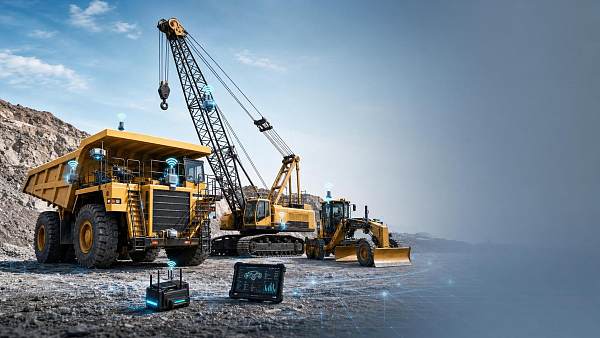
Today, mining equipment trends show automation moving into dispatch systems, drilling coordination, haul road management, maintenance scheduling, and energy monitoring. Once these layers connect, fleet planning becomes a systems decision, not a unit purchase decision.
This is especially visible in open-pit mining, where haulage cycles, excavation rhythm, and loading balance determine site economics. A truck that can operate with autonomous support affects shovel match, traffic design, and even spare parts strategy.
The same pattern appears across heavy machinery intelligence platforms such as TF-Strategy, where machine parameters, construction methods, and infrastructure demand are evaluated together rather than in isolation.
What rising automation actually includes
Automation in mining is not one technology. It is a stack of capabilities that mature at different speeds across different assets.
Core automation layers
- Autonomous or semi-autonomous haulage for repeatable transport cycles.
- Remote operation for equipment working in hazardous or remote zones.
- Condition monitoring using sensors, telematics, and predictive analytics.
- Integrated dispatch and traffic logic for mixed fleets.
- Energy and power management, especially for electric or hybrid equipment.
The most important point is that these layers do not deliver equal value everywhere. A high-altitude mine, for example, may prioritize thermal monitoring and remote support before full autonomy.
By contrast, a large, stable, repetitive haul route may generate stronger returns from autonomous haulage earlier. This is why mining equipment trends should be read through operating conditions, not headlines.
The business case is changing in several directions at once
Automation is often discussed as a productivity tool. That is true, but incomplete. The broader value comes from reshaping the cost base and reducing operational variability.
This multi-directional change explains why mining equipment trends now receive board-level attention. The question is no longer whether automation can improve a machine. The question is whether the whole fleet model remains viable without it.
Where the pressure is strongest
Not every site faces the same urgency. Still, several conditions make automation more compelling and harder to postpone.
Typical pressure points
- Large haul distances with predictable routes and high truck utilization.
- Operations exposed to extreme temperature, altitude, or poor visibility.
- Sites struggling with labor availability or retention instability.
- Projects facing stricter safety, emissions, or reporting expectations.
- Mixed fleets where downtime from one machine disrupts the entire cycle.
In these environments, mining equipment trends align closely with broader infrastructure pressures. Green energy projects, urban expansion, and resource security all demand more reliable heavy equipment performance under tighter constraints.
That is one reason intelligence-led evaluation has become valuable. TF-Strategy, for example, connects equipment evolution with material supply, 5G remote operation, and total cost logic rather than treating each topic separately.
How automation changes fleet planning decisions
A conventional fleet plan focuses on purchase timing, payload class, maintenance intervals, and replacement age. An automation-aware plan adds another layer: digital compatibility over time.
This means planners need to compare assets by upgrade potential, control system openness, sensor architecture, and interoperability with dispatch platforms. A lower purchase price may create a higher long-term constraint.
Mining equipment trends also push companies to rethink fleet standardization. Too much variety can weaken software integration, training consistency, and spare strategy. Too little variety can reduce flexibility in difficult geology or changing production phases.
The practical goal is not maximum automation everywhere. It is the right degree of automation across the right assets, with a clear path to scale if performance justifies expansion.
A useful way to assess the fleet
A structured review helps separate trend value from vendor promises. Several questions usually provide a realistic starting point.
- Which assets create the highest downtime cost across the production chain?
- Where are haul or loading patterns stable enough for automation gains?
- How strong is current site connectivity, data integrity, and cyber readiness?
- Can legacy machines be retrofitted, or will integration remain partial?
- What operating risks are reduced first: safety, fuel, labor volatility, or maintenance surprises?
These questions matter because mining equipment trends often look impressive at the technology level but disappoint at the fleet level when site preparation is weak.
In practice, the strongest results usually come from disciplined sequencing. Connectivity, maintenance data, and traffic logic often need attention before full autonomous deployment can succeed.
Beyond trucks: the wider heavy equipment connection
Although mining dump trucks sit at the center of many discussions, mining equipment trends are part of a broader heavy industry transformation.
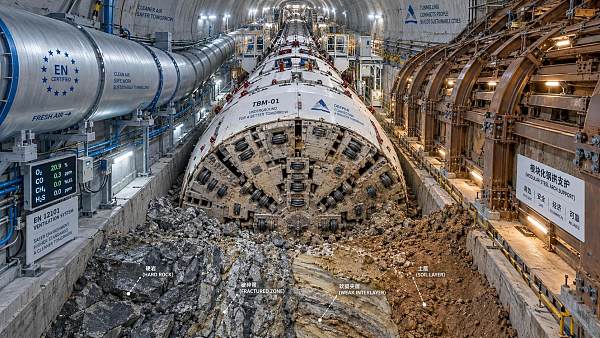
Ultra-large excavators now generate richer operating data. TBM projects rely more on material performance intelligence and process precision. Large cranes and road machinery increasingly depend on digital coordination, safety systems, and uptime visibility.
This matters because many contractors and infrastructure groups operate across adjacent equipment categories. Lessons from mining automation often influence how other heavy fleets are specified, monitored, and financed.
Seen this way, mining equipment trends are not a narrow sector story. They are part of a wider move toward intelligence-enabled earth engineering, where machine power and digital precision are planned together.
What to watch next
The next phase will likely be shaped by three interacting forces: electrification, remote connectivity, and stronger pressure for measurable return on technology investment.
That makes mining equipment trends especially relevant when reviewing replacement cycles, supplier partnerships, and greenfield project assumptions. Equipment that cannot fit future software, energy, or reporting demands may lose strategic value early.
A sensible next step is to map the current fleet against automation readiness, site constraints, and production priorities. From there, it becomes easier to identify which assets justify immediate digital upgrades, which need phased replacement, and which should remain conventional for now.
That kind of disciplined review turns mining equipment trends from market noise into an operating framework. It also creates a more credible basis for long-term fleet planning in a heavy industry environment that rewards precision as much as power.
Related News
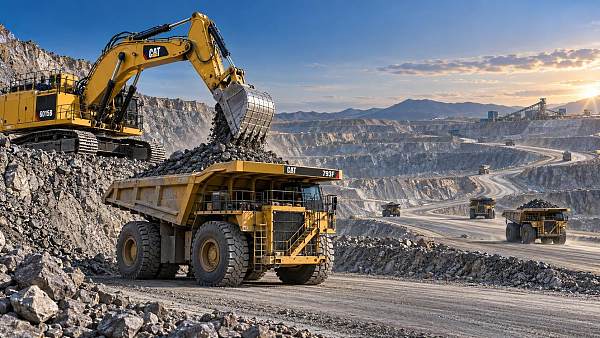
 Sep 14, 2026What Drives Surface Mining Equipment Cost Across a Mine’s Operating Life?Surface mining equipment cost depends on fleet matching, fuel, wear, maintenance, availability, and rebuild timing. Explore lifecycle strategies that protect output and margins.
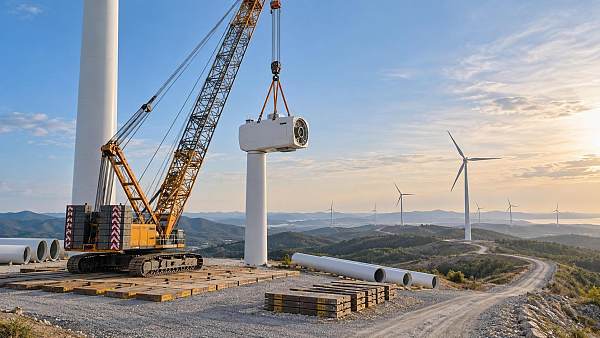
 Sep 13, 2026Crawler Crane Application Analysis for Wind Farms, Bridges, and Confined SitesCrawler crane application analysis for wind farms, bridges, and confined sites—optimize lift paths, ground conditions, access, and schedules for safer project delivery.
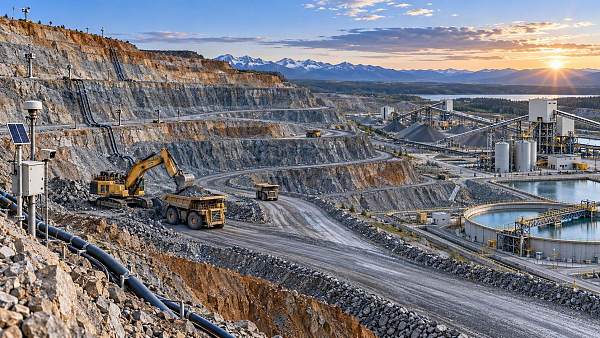
 Sep 12, 2026Open-Pit Mining in North America: Key Project Risks and Planning PrioritiesOpen-pit mining North America: uncover key risks and planning priorities for geology, permitting, water, fleet strategy, and resilient project delivery.
 Sep 11, 2026TBM Systems in Southeast Asia: Key Selection Factors for Variable Ground ConditionsTBM systems Southeast Asia: discover key selection factors for variable ground, pressure control, monsoon resilience, and safer tunnel delivery.

Prof. Marcus Chen
Weekly Insights
Stay ahead with our curated technology reports delivered every Monday.