
What Do Construction Machinery Innovations Mean for Fleet Efficiency and Jobsite Safety?
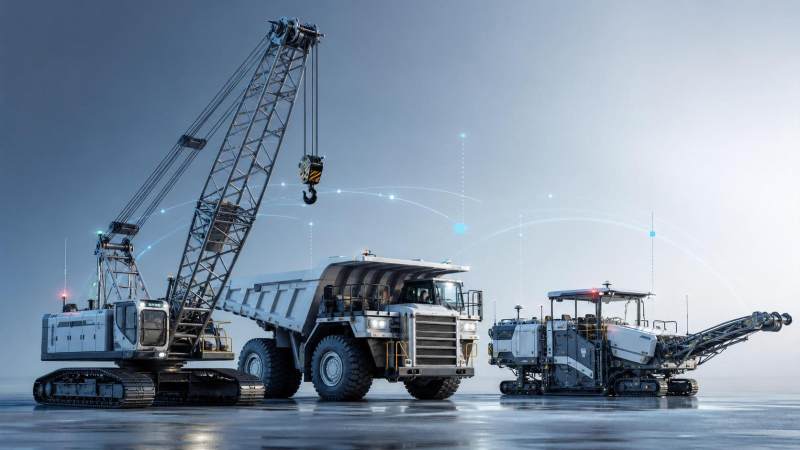
Construction machinery innovations are moving from optional upgrades to operating essentials
Construction machinery innovations now shape how complex projects are planned, staffed, and delivered across heavy industry.
The shift is not only about adding smarter machines.
It is about turning equipment fleets into more measurable, connected, and safer production systems.
That change matters in tunneling, mining, road building, and heavy lifting alike.
Margins are tighter, project schedules are less forgiving, and safety expectations are rising across jurisdictions.
In that environment, construction machinery innovations influence two priorities at the same time.
They improve fleet efficiency while reducing the frequency and severity of jobsite risk.
For a platform such as TF-Strategy, this is where intelligence becomes practical.
Machine parameters, work methods, raw material trends, and project strategy are now directly linked.
Why the recent change feels more visible across global fleets
From recent project demand, the strongest signal is convergence rather than isolated invention.
Automation, telematics, electrification, advanced hydraulics, and operator-assist systems are arriving together.
That creates visible gains faster than earlier equipment cycles did.
A crawler crane with load-path monitoring changes lifting discipline.
A mining dump truck with predictive diagnostics changes maintenance timing.
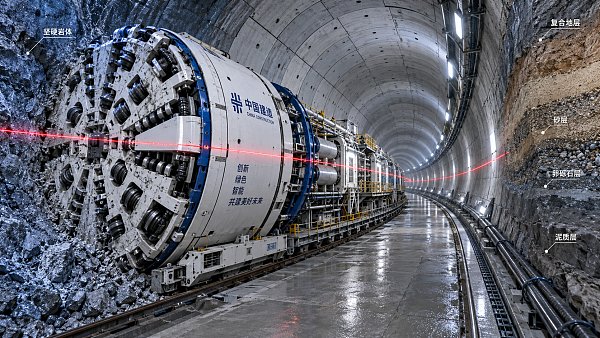
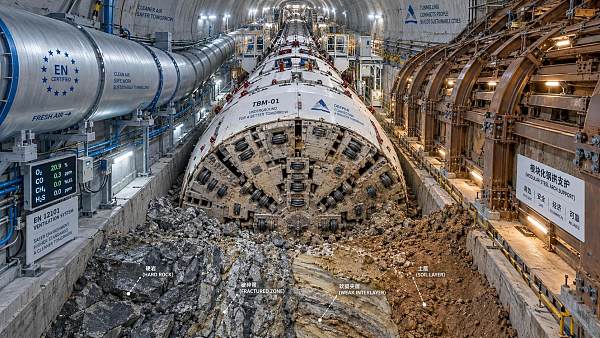
A TBM with improved cutterhead materials changes downtime assumptions underground.
The result is a broader understanding of value.
Construction machinery innovations are no longer judged by peak output alone.
They are judged by cycle consistency, energy use, maintenance predictability, and exposure reduction.
This is especially clear in large infrastructure, where one equipment bottleneck can distort the entire project rhythm.
The forces behind this acceleration
- Labor pressure is pushing more sites toward operator-assist, remote control, and standardized machine guidance.
- Fuel volatility and emissions targets are increasing interest in hybrid systems and pure electric heavy haulage.
- Billion-dollar projects demand tighter uptime planning, making predictive maintenance more valuable than reactive repair.
- Insurance, compliance, and contractor governance are rewarding machines that create better safety records and traceable data.
- 5G and industrial connectivity are making remote operation more practical in hazardous or hard-to-access environments.
Fleet efficiency is being redefined by visibility, not just horsepower
One outdated assumption still appears in fleet planning.
It is the belief that bigger capacity automatically means better fleet efficiency.
In practice, construction machinery innovations often create larger gains through visibility and control.
Real-time data shows how machines idle, where queue time grows, and which components degrade before failure.
That matters across mixed fleets, where one underperforming asset can reduce the productivity of many others.
More advanced dispatch systems now help align excavators, haulers, cranes, and paving equipment with actual workflow conditions.
Instead of relying on generalized utilization rates, teams can see effective utilization by terrain, shift, and task type.
That is a different level of operational discipline.
This is why construction machinery innovations increasingly show up in TCO discussions, not just equipment showcases.
Jobsite safety gains are coming from system design, not slogans
Safety improvements become more credible when they are built into machine behavior.
That is what many current construction machinery innovations are doing.
Load moment indicators, collision alerts, blind-spot cameras, fatigue detection, and geofenced controls reduce dependence on perfect human timing.
In tunneling, remote-controlled excavation reduces exposure in unstable geology.
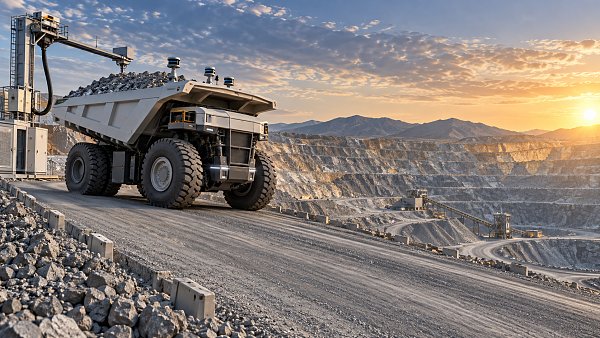
In open-pit mining, autonomous haulage reduces interaction between light vehicles and heavy trucks.
In ultra-large lifting, digital lifting simulation helps identify unsafe rigging sequences before mobilization.
These are not cosmetic additions.
They reshape site rules, supervision methods, and incident investigation standards.
A more important shift is cultural.
Safety data is moving from lagging indicators to leading indicators.
Near misses, overload warnings, harsh braking, and unsafe proximity events now provide early signals for corrective action.
Where the impact is most visible
- TBM operations benefit from better cutter condition tracking and reduced human exposure in confined underground zones.
- Open-pit fleets gain from haul route intelligence, onboard sensing, and fatigue monitoring in long-cycle environments.
- Crawler crane projects improve lift planning accuracy and reduce risk during wind-sensitive component installation.
- Road machinery gains from compaction control, paving precision, and safer coordination near live traffic corridors.
The strategic question is no longer whether to modernize, but where value appears first
Not every innovation delivers equal returns in every fleet.
That is where many investment mistakes begin.
A site with recurring unplanned downtime may gain more from diagnostics than from semi-autonomous control.
A high-risk lifting program may benefit more from digital safety systems than from raw capacity expansion.
A mining operation facing fuel and altitude constraints may prioritize electric haulage evaluation earlier than others.
TF-Strategy’s heavy equipment lens is useful here because it connects innovation to operating context.
Recent intelligence across TBM systems, ultra-large excavators, crawler cranes, road machinery, and mining trucks shows a common pattern.
The best results come when technical upgrades match a clearly measured production constraint.
That could be cutter wear, dispatch imbalance, lifting risk, paving tolerance, or brake thermal stress.
Construction machinery innovations create value fastest when they remove the most expensive friction point.
What deserves close attention over the next planning cycle
A few signals are becoming difficult to ignore.
First, data interoperability will matter more than single-machine intelligence.
Fleets are too mixed, and projects are too integrated, for isolated dashboards to remain useful.
Second, safety systems will increasingly influence commercial competitiveness.
Project owners want proof of controlled risk, not only statements of compliance.
Third, electrification will progress unevenly but steadily.
The winning cases will be application-specific, especially in mining haulage and urban-constrained operations.
Fourth, remote operation will keep expanding where danger, distance, or labor scarcity make onsite control inefficient.
More advanced materials will also stay important.
Wear life in cutterheads, structural durability in booms, and thermal resilience in braking systems affect both uptime and safety margins.
A practical lens for the next move
- Map which assets generate the most downtime, safety exposure, or energy waste.
- Compare innovation claims against site-specific constraints, not brochure-level averages.
- Track whether new systems improve decisions across maintenance, dispatch, and operator behavior.
- Review standards, connectivity requirements, and data ownership before scaling any digital fleet program.
- Build phased adoption plans so training and workflows evolve with the technology.
A grounded way to read construction machinery innovations from here
The most useful reading of construction machinery innovations is neither hype nor resistance.
It is disciplined selection.
The market is showing that smarter machines can raise fleet efficiency and strengthen jobsite safety at the same time.
But the real advantage comes from knowing which innovation fits which operating constraint.
That is why close observation of equipment parameters, project methods, and infrastructure demand is becoming more strategic.
The next step is practical.
Review current bottlenecks, compare technology paths, and keep watching the signals that tie performance, safety, and total cost together.
That is where construction machinery innovations stop being interesting news and start becoming operating leverage.
Related News
 Sep 21, 2026Industrial Supplier Evaluation: A Risk-Based Scorecard for Quality, Capacity, and DeliveryIndustrial supplier evaluation made practical: use a risk-based scorecard to assess quality, capacity, and delivery reliability, reduce project risk, and select suppliers with confidence.
 Sep 20, 2026Comparing Heavy Equipment Warranty Suppliers: Coverage, Claims, and Downtime RiskSupplier comparison for heavy equipment warranty: evaluate coverage, claims speed, service networks, and downtime risk to protect uptime and project costs.
 Sep 19, 2026Mining Truck Technology Trends: What Fleet Managers Should Prioritize for 2026Mining truck technology trends for 2026: prioritize electrification, autonomy, predictive maintenance, and road intelligence to improve fleet uptime, safety, and cost control.
 Sep 17, 2026How TBM Guidance Technology Maintains Alignment Through Curves and Variable GroundTunnel boring machine guidance technology helps teams maintain precise alignment through curves and variable ground, reducing risk, improving lining accuracy, and protecting schedules.
Prof. Marcus Chen
Weekly Insights
Stay ahead with our curated technology reports delivered every Monday.