
Construction Machinery Standards Explained: Key Safety and Compliance Checks
Why do construction machinery standards matter so much on real projects?
Construction machinery standards are not just legal references. They shape how heavy equipment is selected, inspected, operated, and documented across demanding project environments.
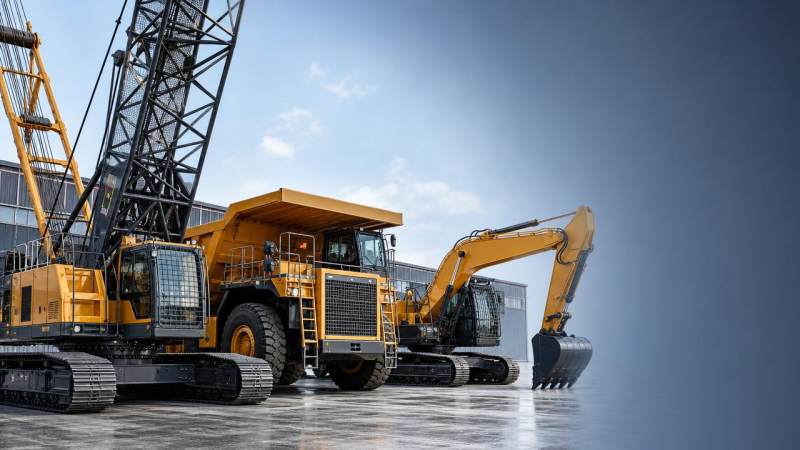
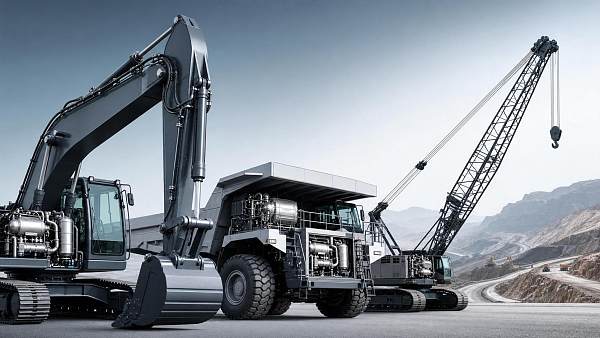
That matters even more when the equipment includes TBM systems, crawler cranes, mining dump trucks, large excavators, and road machinery working under high loads.
In practical terms, good compliance checks reduce the chance of structural failure, unstable braking, blind-spot incidents, hydraulic loss, and untraceable maintenance decisions.
The more complex the machine, the less useful a simple pass-or-fail mindset becomes. Construction machinery standards work best when they are tied to operating conditions.
This is why global heavy industry intelligence platforms such as TF-Strategy keep linking physical parameters, engineering methods, and project risk logic.
For major infrastructure work, compliance is rarely a paperwork exercise. It becomes a control method for uptime, insurance exposure, asset life, and delivery reliability.
Which construction machinery standards should be checked first?
A common mistake is starting with labels and certificates only. The better starting point is the machine’s risk profile and the functions that could fail dangerously.
For most heavy equipment, the first review usually covers structural integrity, braking systems, steering response, hydraulic containment, operator protection, and emergency shutdown.
Those items sit at the center of most construction machinery standards because they affect both immediate safety and long-term machine stability.
Documentation still matters, but it should support physical verification. A certificate without matching condition records, calibration history, or repair traceability is weak evidence.
The table below helps organize the first-line compliance review.
If resources are limited, this kind of sequence is usually more useful than checking every clause with equal attention.
Are the same compliance checks suitable for every machine type?
Not really. Core construction machinery standards share common safety principles, but the critical checkpoints change with machine duty, terrain, energy source, and failure mode.
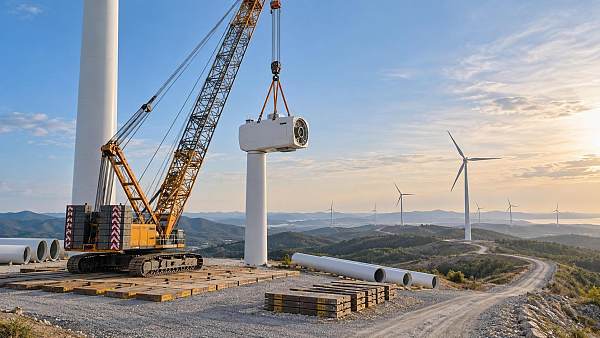
A crawler crane needs strong attention to load moment limits, boom connections, slewing behavior, and ground bearing assumptions.
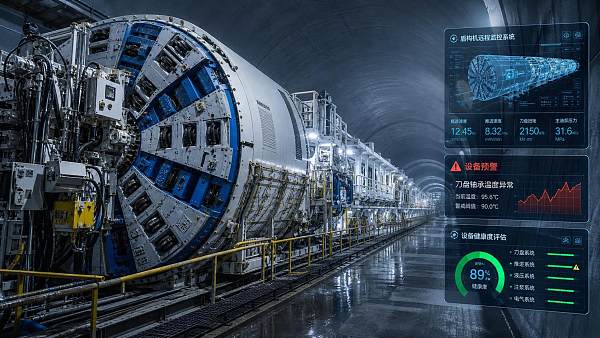
A TBM introduces different priorities, including cutterhead wear logic, segment handling interfaces, electrical protection, and confined-space emergency response.
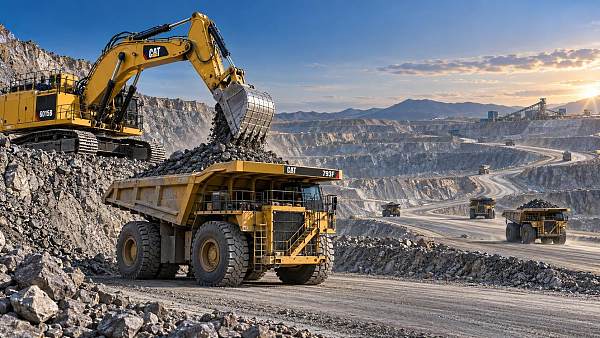
For mining dump trucks, braking redundancy, tire condition, thermal performance, and haul road interaction become central compliance questions.
Large road machinery often brings another layer. Sensors, paving precision, automation controls, and calibration status can directly affect both quality and safety outcomes.
That is one reason intelligence-led review is becoming more valuable. TF-Strategy’s focus on heavy equipment evolution reflects this shift from generic inspection to application-specific control.
In other words, compliance should mirror the machine’s operational reality, not just its catalog category.
A practical way to judge fit
- Match standards to actual load spectrum, not nominal capacity.
- Check whether site temperature, dust, slope, or altitude change compliance assumptions.
- Review modifications, attachments, and software updates separately.
- Confirm that maintenance intervals reflect duty intensity, not only manufacturer baseline guidance.
What usually gets missed during a safety and compliance review?
The biggest misses are often small details that break the chain between design compliance and field performance.
One example is undocumented modification. Extra guarding, attachment changes, counterweight substitutions, or control logic edits may seem minor, but they can invalidate original assumptions.
Another issue is inspection timing. A machine may pass a workshop review, then operate months in abrasive or high-vibration conditions without any risk-based recheck.
Braking systems are also misunderstood. Passing a static check does not always prove safe stopping under loaded downhill movement or repeated thermal stress.
Digital systems create newer blind spots. Remote controls, telematics, sensor dependencies, and software alarms now influence whether construction machinery standards are truly being met in operation.
The more automated the equipment becomes, the more important it is to validate sensor health, alarm hierarchy, and fail-safe behavior.
Common warning signs
- Service records exist, but repair causes are not traceable.
- Load charts or safety decals are present, but not readable.
- Hydraulic leaks are treated as maintenance issues, not compliance risks.
- Inspection forms are complete, while field test evidence is weak.
- Control software changed, but validation steps were not updated.
How can construction machinery standards be turned into a workable audit routine?
The most effective audit routines are layered. They do not rely on annual certification alone, and they do not treat every machine with the same review frequency.
A workable system usually combines pre-use checks, periodic technical inspection, event-triggered review, and document control.
Event-triggered review is especially useful after overload events, collisions, sudden braking faults, structural repair, or long transport between sites.
For international fleets, another practical challenge is standard alignment. Local rules, ISO references, OEM requirements, and insurer demands may not fully match.
That is why many teams now build a compliance matrix instead of relying on scattered checklists.
This approach keeps construction machinery standards active in daily management, not buried in a compliance folder.
How do you balance compliance, cost, and project speed without cutting corners?
The useful question is not whether compliance costs money. It does. The better question is where poor compliance becomes more expensive than planned control.
For heavy equipment, hidden cost often appears through downtime, emergency transport, accident investigation, insurance disputes, or reduced residual value.
A machine that meets construction machinery standards consistently is usually easier to schedule, insure, redeploy, and defend in contract discussions.
In practice, the strongest balance comes from ranking checks by risk and consequence. High-energy systems and high-load interfaces deserve deeper verification than cosmetic items.
This is also where sector intelligence helps. On complex projects, benchmark data on failure patterns, material behavior, and technology shifts can improve inspection priorities.
That perspective fits TF-Strategy’s broader mission. Heavy equipment value is protected not only by power and output, but by informed control over safety standards and lifecycle decisions.
What is the smartest next step if your compliance process feels fragmented?
Start by mapping one machine family in detail. Choose the equipment with the highest consequence of failure, then connect standards, field checks, maintenance history, and site conditions.
From there, build a short decision list rather than a huge generic manual.
- Identify the safety functions that must never degrade unnoticed.
- Separate certificate review from physical performance verification.
- Define when a modification requires revalidation.
- Set event-based triggers for deeper inspection.
- Track recurring defects to refine future audits.
Construction machinery standards are most valuable when they become a living control framework. That is what keeps high-risk equipment reliable across changing sites and tighter delivery demands.
If the goal is stronger safety and more predictable asset performance, the next move is simple: align standards with machine reality, then audit what truly drives failure risk.
Related News
 Sep 14, 2026What Drives Surface Mining Equipment Cost Across a Mine’s Operating Life?Surface mining equipment cost depends on fleet matching, fuel, wear, maintenance, availability, and rebuild timing. Explore lifecycle strategies that protect output and margins.
 Sep 13, 2026Crawler Crane Application Analysis for Wind Farms, Bridges, and Confined SitesCrawler crane application analysis for wind farms, bridges, and confined sites—optimize lift paths, ground conditions, access, and schedules for safer project delivery.
 Sep 12, 2026Open-Pit Mining in North America: Key Project Risks and Planning PrioritiesOpen-pit mining North America: uncover key risks and planning priorities for geology, permitting, water, fleet strategy, and resilient project delivery.
 Sep 11, 2026TBM Systems in Southeast Asia: Key Selection Factors for Variable Ground ConditionsTBM systems Southeast Asia: discover key selection factors for variable ground, pressure control, monsoon resilience, and safer tunnel delivery.


Dr. Alistair Vaughn
Weekly Insights
Stay ahead with our curated technology reports delivered every Monday.