
Tunneling industry trends that will shape 2026 planning
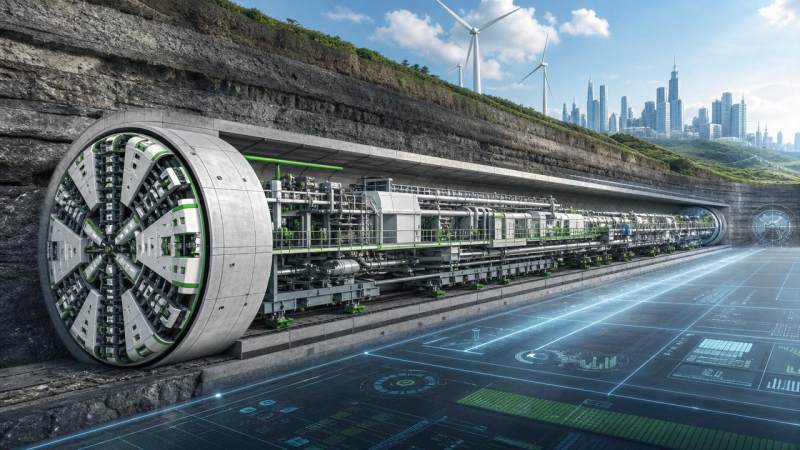
As capital discipline, urban megaprojects, and low-carbon mandates reshape global infrastructure, tunneling industry trends are becoming a critical input for 2026 planning.
For underground construction, the market is no longer driven by excavation speed alone. Project teams now weigh lifecycle cost, geological uncertainty, emissions, digital visibility, and contract resilience together.
This makes tunneling industry trends highly relevant across transport, utilities, mining access, water transfer, and urban redevelopment. In 2026 planning, better decisions will come from linking equipment strategy with delivery risk.
What tunneling industry trends mean in practical terms
At a practical level, tunneling industry trends describe the shifts shaping how underground projects are financed, designed, excavated, monitored, and maintained over time.
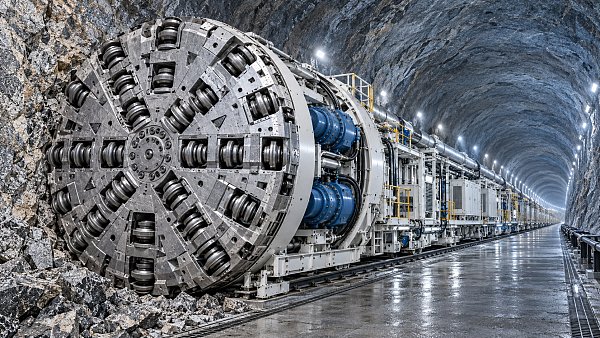
They include TBM selection logic, ground treatment methods, automation, cutterhead material upgrades, segment production efficiency, workforce safety, and supply-chain localization.
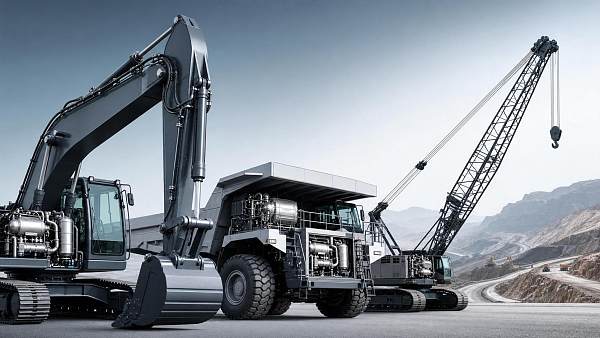
For a platform such as TF-Strategy, these trends matter because heavy equipment performance now depends on intelligence integration, not isolated machine specifications.
A modern tunnel plan must connect geology, machine power, hydraulic behavior, logistics windows, spare parts availability, and carbon expectations from early-stage evaluation.
Core dimensions behind current market movement
- Machine intelligence and remote diagnostics
- Contract risk allocation and funding scrutiny
- Low-carbon construction materials and energy use
- Supply security for cutters, bearings, and electronics
- Schedule certainty under difficult urban and mountain geology
Industry background shaping 2026 planning
Several macro forces are redefining tunneling industry trends. The first is selective capital allocation. Large projects still move forward, but investors demand clearer risk-adjusted returns.
The second force is urban complexity. Tunnels now pass under older districts, utility corridors, rail systems, and sensitive foundations, raising the value of precision excavation.
The third is decarbonization. Public and private stakeholders increasingly expect lower emissions from power systems, material inputs, haulage, and jobsite operations.
A fourth force is geopolitical uncertainty. Long-lead components can disrupt schedules, especially when specialized cutter tools or control systems come from limited suppliers.
The tunneling industry trends with strongest impact
1. Smarter TBM systems and condition-based decisions
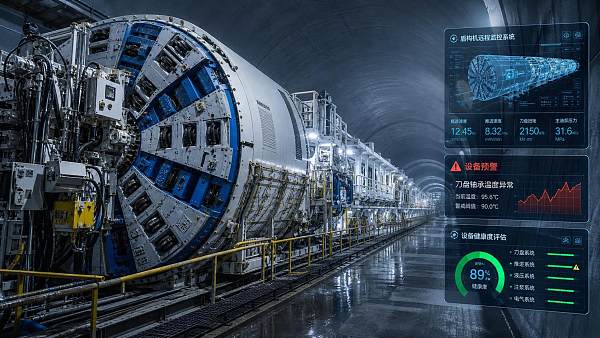
One of the most important tunneling industry trends is the transition from reactive maintenance to predictive operation.
Sensor-rich TBMs can now track cutter wear, vibration, thrust behavior, slurry balance, torque anomalies, and thermal patterns with far greater granularity.
That improves intervention timing, spare parts planning, and excavation consistency. It also supports safer operations in variable geology.
2. Geological uncertainty is moving upstream
Advanced planning now gives more weight to geological modeling, probe drilling, and scenario-based machine configuration before launch.
This reflects a basic market lesson. Most schedule and cost overruns start with underestimated ground conditions, not weak excavation capacity.
3. Low-carbon performance is entering procurement criteria
Tunneling industry trends now include emissions accounting beyond fuel use. Attention is expanding to segment materials, electricity sourcing, spoil handling, and site logistics.
This does not eliminate performance priorities. Instead, it shifts value toward solutions that balance output, reliability, and lower environmental impact.
4. Delivery models are becoming more collaborative
Owners increasingly seek earlier technical alignment among designers, machine suppliers, segment producers, and specialty contractors.
This reduces redesign cycles and strengthens contingency planning. In difficult corridors, fragmented decision-making is becoming less acceptable.
5. Supply-chain resilience is now a technical issue
Recent disruptions showed that logistics, supplier concentration, and replacement lead times can directly affect excavation strategy.
As a result, tunneling industry trends increasingly include dual sourcing, local fabrication capacity, and inventory buffers for mission-critical components.
Business value of tracking tunneling industry trends
Monitoring tunneling industry trends is not only useful for technical teams. It supports broader business planning across budget control, delivery confidence, and asset performance.
For infrastructure programs, early awareness can improve bid assumptions, reduce claims exposure, and clarify where premium equipment actually lowers total cost of ownership.
For intelligence-led organizations like TF-Strategy, the strongest value lies in connecting equipment physics with project economics and regional market signals.
- Better matching of TBM type to corridor risk
- Stronger forecasting of downtime and wear costs
- More realistic schedule buffers for difficult geology
- Improved evaluation of low-carbon construction pathways
- Clearer sourcing strategy for long-lead subsystems
Typical scenarios where these trends matter most
Not all tunnel projects face the same pressures. The relevance of tunneling industry trends changes by application, geology, and stakeholder expectations.
Practical recommendations for 2026 planning
The most useful response to tunneling industry trends is structured preparation. Planning quality in 2025 will strongly influence execution quality in 2026.
- Reassess geological assumptions with updated field intelligence.
- Map critical components with lead-time and substitution scenarios.
- Evaluate TBM data architecture before final equipment decisions.
- Add carbon and energy metrics to equipment comparison models.
- Align contract structure with realistic ground and logistics risk.
- Use lifecycle cost, not purchase price, as the primary benchmark.
Common planning mistakes to avoid
- Treating digital monitoring as optional after procurement
- Underestimating downtime from wear-part shortages
- Using generic productivity assumptions across different geology types
- Separating sustainability targets from engineering decisions
Next-step outlook for infrastructure and heavy equipment strategy
The strongest tunneling industry trends point toward tighter integration between machine intelligence, geological forecasting, and strategic procurement.
That favors organizations able to connect market signals with engineering detail. In this environment, informed planning becomes a competitive asset, not an administrative step.
TF-Strategy’s value proposition fits this direction. By linking TBM technology, heavy equipment evolution, project tender intelligence, and commercial insight, it supports more grounded underground decisions.
For 2026, the clearest takeaway is simple. Tunneling industry trends should be reviewed early, translated into measurable planning criteria, and embedded into every major underground investment decision.
Related News
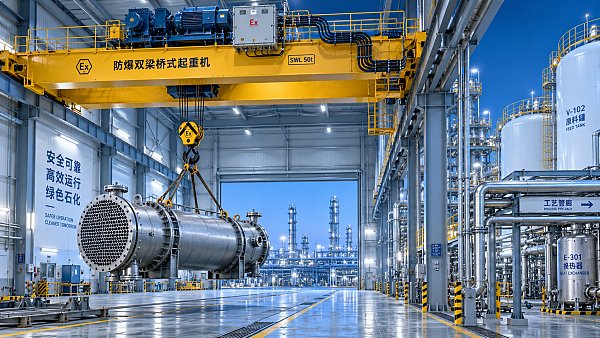
 Oct 06, 2026Selecting Petrochemical Overhead Cranes for Hazardous Areas and Heavy Process LoadsPetrochemical overhead cranes for hazardous areas: learn how to match capacity, duty, controls, corrosion protection, and maintenance access for safer, reliable lifts.
 Oct 05, 2026Tunneling Equipment Specification Planning: Key Criteria for Ground and Project RisksEquipment specification planning tunneling: learn how to match TBM systems to ground risks, geometry, safety, logistics, and lifecycle cost for more reliable project delivery.
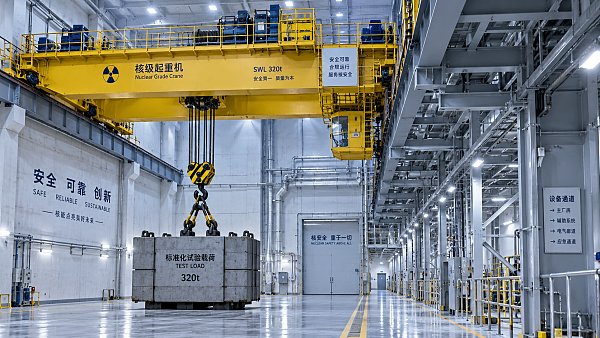
 Oct 04, 2026Nuclear Lifting Equipment Cost: Budgeting for Compliance, Testing, and Lifecycle RiskNuclear lifting equipment cost explained: budget for compliance, proof-load testing, installation, documentation, and lifecycle risk to make confident procurement decisions.
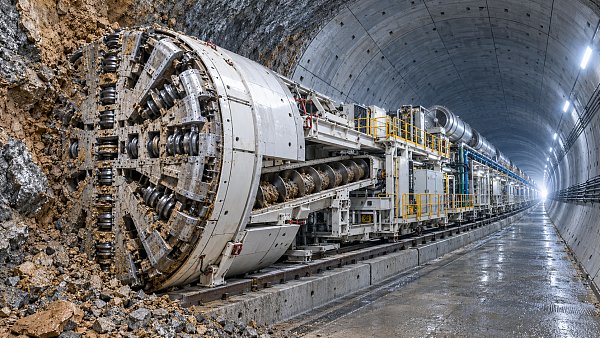
 Oct 03, 2026How to Assess TBM Manufacturers for Hard-Rock Tunneling Projects?Choose the right tunnel boring machine manufacturer for hard-rock projects. Explore key criteria for design, lifecycle cost, factory quality, and service support.
Dr. Alistair Vaughn
Weekly Insights
Stay ahead with our curated technology reports delivered every Monday.