
How heavy haulage trucks affect payload and fuel planning

For operators, heavy haulage trucks directly shape how much material can be moved safely and how efficiently fuel is used across every shift. From axle load limits to route conditions and rolling resistance, small planning errors can raise costs fast. This article explains how heavy haulage trucks affect payload and fuel planning, helping you balance productivity, safety, and total operating efficiency in demanding jobsite conditions.
Why heavy haulage trucks change payload planning more than many operators expect
In heavy industry, payload planning is never just about the rated body volume or the truck’s headline capacity. Heavy haulage trucks operate inside a chain of limits that includes axle loading, haul road design, gradient, material density, tire performance, and braking margin.
For operators in mining, large earthworks, quarrying, and infrastructure support, the real payload is the payload that can be moved repeatedly without overloading components or wasting fuel. A truck loaded beyond site reality may carry more on one trip, yet lose more time and money over a week.
This is where heavy haulage trucks become a planning issue, not only an operating issue. The truck’s design affects cycle time, fuel burn, maintenance intervals, tire wear, and even loader matching. TF-Strategy focuses on this link between physical parameters and field decisions because operators need practical intelligence, not generic capacity claims.
- A high nominal payload can be restricted by axle group limits, especially on temporary haul roads or mixed jobsite routes.
- Fuel planning changes when the truck spends more time climbing, idling in queues, or traveling on soft ground.
- Body fill factor varies by material type, which means the same truck may be volume-limited one day and weight-limited the next.
What operators should watch first
Before discussing fuel, start with payload consistency. A truck fleet that averages unstable payloads creates planning noise across the shift. Loader operators, dispatchers, and truck drivers may all be working hard, but production forecasts still drift because the truck-body, road, and material combination was not assessed correctly.
Which factors in heavy haulage trucks most affect payload and fuel planning?
The table below highlights the main variables operators should connect when evaluating how heavy haulage trucks influence payload and fuel planning on real sites.
For operators, the key insight is simple: fuel planning cannot be separated from payload planning. Once route conditions or material properties change, the truck’s effective fuel profile changes too. This is especially true in open-pit mining, remote earthmoving corridors, and high-altitude projects where power, traction, and cooling margins are narrower.
Payload is not only a number on paper
A truck may be rated for a target payload, but if the site road has sharp turns, wet segments, or frequent stop-start traffic, the practical payload may be lower. Operators who ignore this often see more spillage, slower cycles, and unstable fuel performance.
How route conditions reshape fuel use in heavy haulage trucks
Many teams estimate fuel by engine size and average distance alone. That approach misses the biggest driver: route severity. Heavy haulage trucks consume fuel according to resistance, elevation change, speed pattern, waiting time, and surface quality.
Loaded uphill and empty return are not equal planning events
The loaded leg usually dominates fuel use. A long uphill segment with poor traction can force lower gear operation and higher engine load. The empty return may look inexpensive, but if the route is rough and dusty, speed variation and tire slip still raise consumption.
Operators should separate fuel planning into route segments rather than one average figure per hour. Segment-based tracking helps identify whether the issue comes from the pit ramp, the dump approach, queuing at the shovel, or poor road maintenance.
- Hard, well-maintained haul roads support more stable payload and lower rolling losses.
- Loose surfaces, potholes, and drainage failures increase resistance, tire wear, and cycle inconsistency.
- High altitude may reduce engine performance, making overloading even more costly in fuel terms.
Why road maintenance belongs in fuel planning
A smoother road often saves more fuel than small operator technique changes alone. In sectors covered by TF-Strategy, from mining dump trucks to large road machinery support environments, road condition is a strategic productivity variable. It influences truck availability, fuel draw, braking heat, and suspension load every shift.
How to match material type, truck body, and legal or site load limits
One of the most common mistakes with heavy haulage trucks is using one loading rule for all materials. Broken rock, wet clay, blasted ore, overburden, and crushed aggregate behave differently in the body. The same volumetric fill may create very different axle loads and stability outcomes.
The comparison below helps operators judge when they are likely to be weight-limited or volume-limited in day-to-day planning.
This comparison matters because fuel planning depends on true gross moving mass, not visual fullness. A truck hauling retained wet material after dumping may burn extra fuel for several cycles before the issue is noticed.
Loader-truck matching also matters
If the loader needs too many passes, queuing and idle fuel increase. If the bucket is too large, overload events become more likely. Good matching reduces loading time, improves target payload accuracy, and makes daily fuel forecasting more reliable.
What practical operating steps improve payload accuracy and fuel efficiency?
Operators do not always control fleet selection, but they do influence how heavy haulage trucks perform in the field. A disciplined routine can reduce fuel waste without sacrificing production.
- Confirm the day’s material density and moisture condition before using the previous shift’s loading target.
- Check tire condition and inflation because underinflation increases rolling resistance and heat.
- Review route changes, especially temporary ramps, soft edges, drainage damage, or detours.
- Track idling time at loading and dumping points. Idle fuel may look small per minute, but it compounds quickly across a fleet.
- Report carryback, body hang-up, or spillage early because these issues distort both payload records and fuel expectations.
Use shift-based rather than monthly averages
Monthly fuel averages are useful for management review, but operators need shift-level visibility. Rain, blast changes, haul road deterioration, and altitude effects can alter the fuel profile much faster than a monthly report can show.
TF-Strategy’s value in this area is the ability to connect machinery behavior with operating context. In heavy haulage, practical planning improves when technical parameters are read alongside construction method, route profile, and production target.
When should operators question the original truck selection?
Sometimes the problem is not operator technique. It is the wrong truck-body-route combination. If heavy haulage trucks regularly miss fuel targets, suffer repeated overload warnings, or require constant compromise on load size, the fleet configuration may need review.
Warning signs of a poor fit
- The truck reaches weight limits long before body fill is practical for the material.
- Fuel consumption spikes whenever the route becomes wet or slightly degraded.
- Cycle times vary too widely to support stable production forecasting.
- Braking, tire, or suspension stress appears disproportionate to the planned payload.
Selection questions worth asking
Is the truck optimized for dense material or lighter bulk material? Does the route favor a larger payload per trip, or would a different cycle balance perform better? Is the site moving toward electric or hybrid options where charging, grade, and haul length alter planning logic? These are not abstract procurement questions. They affect every operator’s shift performance.
FAQ: common operator questions about heavy haulage trucks, payload, and fuel
How do heavy haulage trucks affect fuel planning on steep routes?
Steep loaded climbs raise engine load, gear holding time, and cooling demand. Even if total distance is short, fuel per cycle can rise sharply. Operators should monitor grade-specific performance instead of using one blended fuel number for the entire route.
Is it better to maximize every load to reduce trips?
Not always. If higher loading causes slower climbing, more tire heat, spillage, or component stress, the extra payload may not improve total shift output. The better target is repeatable productive payload within site limits, not the heaviest possible single trip.
What is the biggest hidden source of fuel waste?
Poor haul road condition is one of the most underestimated causes. Increased rolling resistance, wheel slip, and speed variation can raise fuel use significantly even before operators notice a clear drop in cycle performance.
Why does the same truck show different payload efficiency on different materials?
Because density, moisture, fragmentation, and carryback behavior all change the actual moving mass and body fill pattern. Heavy haulage trucks must be planned against both material behavior and route profile, not capacity labels alone.
Why choose us for heavy haulage truck planning insight
TF-Strategy supports operators, contractors, and project teams that work where machinery decisions carry large cost consequences. Our perspective combines mining dump trucks, large road machinery, open-pit production logic, and broader heavy equipment intelligence. That makes our analysis useful when payload and fuel questions are tied to route design, operating method, and long-term total cost.
You can contact us for practical support on parameter confirmation, truck application matching, route-based fuel planning logic, material-specific loading considerations, delivery-cycle discussion for large equipment programs, and broader heavy haulage truck selection questions linked to complex infrastructure or mining environments.
If your team is comparing truck classes, reviewing site haul assumptions, or trying to reduce fuel cost without losing output, share the operating context: material type, haul distance, gradient, road condition, target payload, and shift pattern. With the right inputs, the planning conversation becomes more precise, faster, and more useful for field decisions.
Related News
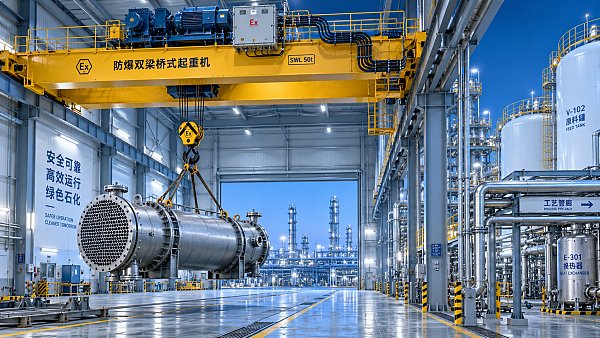
 Oct 06, 2026Selecting Petrochemical Overhead Cranes for Hazardous Areas and Heavy Process LoadsPetrochemical overhead cranes for hazardous areas: learn how to match capacity, duty, controls, corrosion protection, and maintenance access for safer, reliable lifts.
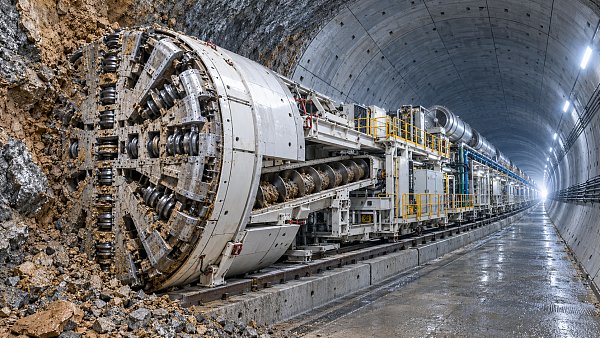
 Oct 05, 2026Tunneling Equipment Specification Planning: Key Criteria for Ground and Project RisksEquipment specification planning tunneling: learn how to match TBM systems to ground risks, geometry, safety, logistics, and lifecycle cost for more reliable project delivery.
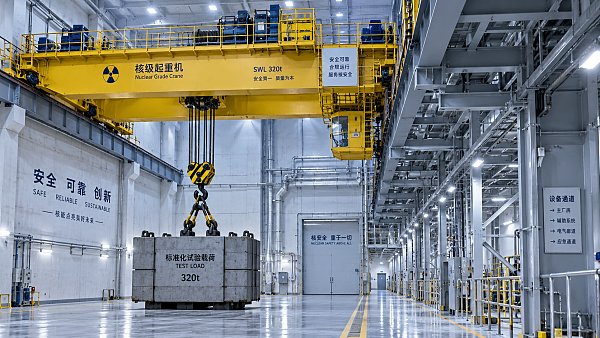
 Oct 04, 2026Nuclear Lifting Equipment Cost: Budgeting for Compliance, Testing, and Lifecycle RiskNuclear lifting equipment cost explained: budget for compliance, proof-load testing, installation, documentation, and lifecycle risk to make confident procurement decisions.
 Oct 03, 2026How to Assess TBM Manufacturers for Hard-Rock Tunneling Projects?Choose the right tunnel boring machine manufacturer for hard-rock projects. Explore key criteria for design, lifecycle cost, factory quality, and service support.


Heavy Haulage Strategist
Weekly Insights
Stay ahead with our curated technology reports delivered every Monday.