
How open-pit mining equipment choices affect output and fuel
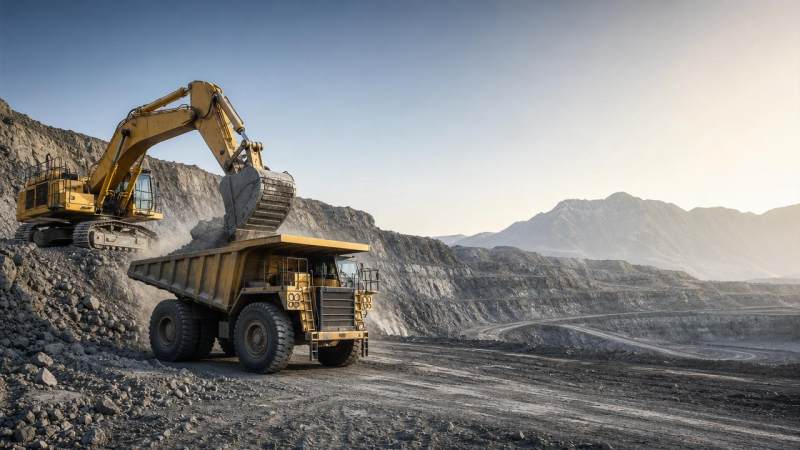
In open-pit mining, equipment selection directly shapes output, fuel consumption, and long-term operating cost. For enterprise decision-makers, choosing the right open-pit mining equipment is not only a technical issue but a strategic lever for productivity, fleet efficiency, and project profitability. This article explores how matching machinery to haul distance, material conditions, and site goals can improve performance while reducing fuel-related risk.
In practice, the wrong loading tool, truck class, or support fleet can raise fuel burn by 10% to 25%, increase queuing, and shorten component life. The right fleet architecture, by contrast, helps operators move more tonnes per hour, stabilize cycle times, and improve total cost of ownership across a mine plan that may run for 5, 10, or 20 years.
Why equipment choice has a direct impact on output and fuel
For large mines, output is not determined by one machine in isolation. It is the result of a production chain that includes drilling, blasting, loading, hauling, dozing, grading, dewatering, and maintenance access. When open-pit mining equipment is selected without considering system balance, even high-capacity assets can underperform.
Fleet balance matters more than single-machine size
A 200-tonne class excavator paired with too few trucks may sit idle for 15% to 30% of the shift. A truck fleet that exceeds loading capacity can create long queues, unnecessary idling, and fuel waste. Decision-makers should evaluate tonnes per pass, bucket fill factor, spotting time, and average haul cycle before approving capital expenditure.
In many operations, the best result comes from matching 3 to 5 bucket passes per truck rather than simply choosing the largest loader available. This reduces overloading risk, keeps cycle rhythm consistent, and simplifies operator training. It also helps planners forecast shift output with greater accuracy.
Key production variables to model
- Average haul distance, often ranging from 1 km to 8 km in medium and large pits
- Bench height and dig face geometry, which affect bucket fill and repositioning frequency
- Material density, fragmentation, and moisture content
- Ramp gradient, typically 8% to 10% for heavy haul routes
- Shift utilization, including delays from refueling, road maintenance, and weather
Fuel use rises quickly when these variables are ignored. A truck running on poorly maintained haul roads can consume significantly more diesel due to rolling resistance. Likewise, an oversized wheel loader working on fragmented but light material may never use its full breakout capability, while still carrying the fuel penalty of a larger engine and hydraulic system.
Output is shaped by cycle time, not nameplate capacity
Procurement teams often focus on rated payload, engine power, or bucket size. Those figures are useful, but real output depends on cycle time. A truck with a nominal payload advantage may still deliver fewer tonnes per shift if its acceleration, braking, or dump time is slower on the mine’s actual profile.
For this reason, enterprise buyers should compare open-pit mining equipment in system terms: tonnes per operating hour, liters per tonne moved, and cost per bank cubic meter. These metrics connect engineering selection to financial planning in a way that supports board-level decisions.
How to match loading and hauling equipment to mine conditions
The most effective equipment strategy begins with the mine’s operating profile rather than a preferred machine category. Short-haul, high-production pits may require a different loading-hauling mix than deep pits with long ramps, variable ore zones, or frequent relocation of working faces.
Excavators, hydraulic shovels, and wheel loaders serve different roles
Hydraulic excavators are often preferred where selectivity, face control, and flexible bench access are important. Hydraulic shovels can support very high production in stable, repetitive loading environments. Wheel loaders offer mobility advantages, especially where multiple loading points or stockpile work are involved.
No category is universally superior. The right choice depends on dig depth, fragmentation, travel requirement, ground bearing pressure, and how often loading units must move between ore and waste zones during a 10- to 12-hour shift.
The comparison below helps clarify where each machine type typically performs best in open-pit mining equipment planning.
The key conclusion is that loading tool selection should reflect actual mine geometry and dispatch logic. A machine with slightly lower peak capacity can still deliver better yearly output if it reduces repositioning, lowers idle time, and keeps truck loading consistent across changing face conditions.
Truck class should follow haul profile, not only payload target
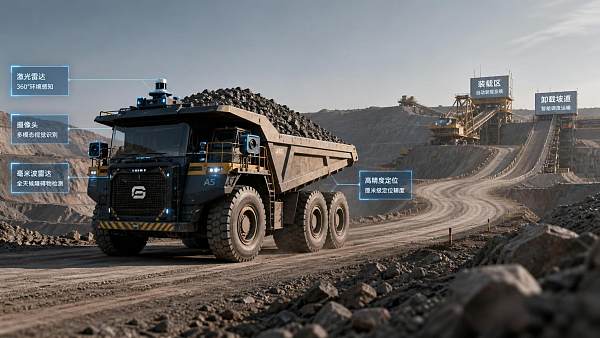
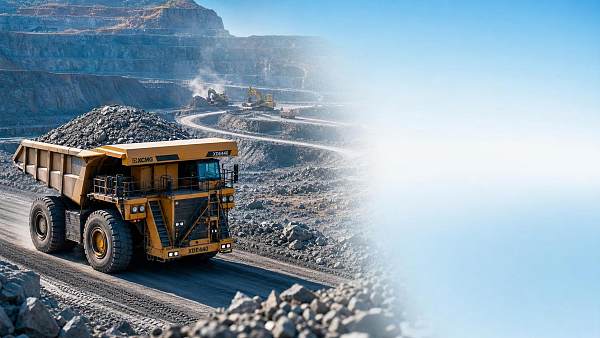
Mining dump trucks are often the largest fuel consumers in an open pit. Their economic value depends on route design, speed control, payload discipline, and match quality with the loading fleet. For hauls under 2 km, shorter cycle times can make smaller trucks competitive. For deeper pits with longer gradients, larger payload classes may lower cost per tonne if roads are engineered to support them.
Questions procurement teams should ask
- What is the real average haul distance for ore and waste separately?
- How many vertical meters does each route include?
- What is the planned road maintenance frequency per week?
- Will truck utilization remain above 75% in wet and dry seasons?
- Can tire, brake, and fuel infrastructure support a higher payload class?
These questions matter because truck performance can change sharply with altitude, temperature, and rolling resistance. In high-altitude operations or areas with extreme temperatures, engine response, cooling, and retarder effectiveness may shift enough to alter the business case for a given truck class.
The fuel side of equipment selection: where costs really move
Fuel is not just a line item. In many open-pit operations, it is one of the most sensitive variable costs. Even a modest reduction of 2 to 4 liters per operating hour across a fleet of 20 to 40 machines can create a significant annual saving, especially when diesel supply is exposed to transport constraints or remote-site premiums.
Four common drivers of unnecessary fuel burn
- Oversized engines for the actual duty cycle
- Chronic truck idling at loading and dump points
- Poor haul-road condition increasing rolling resistance
- Low bucket fill factors causing more cycles per tonne
These are equipment selection issues as much as operational issues. If the fleet is mismatched from the start, site teams spend months trying to manage around a structural inefficiency. That is why experienced buyers review not only machine specifications, but also dispatch assumptions, shift design, and maintenance readiness before finalizing an order.
A practical view of fuel-sensitive selection factors
The table below summarizes how typical selection choices influence fuel consumption and output stability in open-pit mining equipment fleets.
The broad lesson is clear: fuel efficiency does not come from one technology alone. It comes from a coordinated selection process where truck size, loading pattern, haul-road quality, and support equipment are treated as one production system.
Do not overlook support equipment
Dozers, graders, water trucks, and service units often receive less attention during procurement, yet they strongly affect fuel use in the primary fleet. A grader schedule that slips by even 24 to 48 hours can increase rolling resistance and degrade truck cycle performance. Similarly, inadequate dewatering can turn a well-chosen truck fleet into an expensive fuel consumer during rainy periods.
A decision framework for enterprise buyers
For enterprise decision-makers, equipment procurement should be staged, disciplined, and tied to commercial objectives. The goal is not only to buy machines, but to secure a production platform that can meet output targets while controlling fuel and maintenance exposure over multiple planning cycles.
A five-step evaluation process
- Define annual and quarterly production targets by ore and waste stream.
- Map haul distances, gradients, and face movement patterns.
- Evaluate loading-hauling combinations using cycle-based productivity assumptions.
- Stress-test fuel, maintenance, and operator availability under seasonal variation.
- Compare options on total cost of ownership over 3 to 7 years, not only purchase price.
This process helps eliminate a common B2B purchasing mistake: selecting open-pit mining equipment mainly on upfront capital cost. Lower acquisition cost can be attractive, but if the fleet creates a 5% output loss or persistent fuel overspend, the long-term business impact can outweigh the initial saving.
Commercial criteria that should sit beside technical criteria
Beyond machine capability, buyers should review parts availability, field service response, training support, data integration, and expected commissioning time. A machine that arrives in 12 weeks but lacks local support may be less valuable than one with stronger lifecycle backing. For remote mines, parts lead times of 7 to 21 days can materially affect fleet uptime planning.
Typical decision checkpoints
- Can the supplier support predictive maintenance and telematics reporting?
- Is fuel tracking available by machine, shift, or operator?
- How quickly can critical wear parts be delivered to site?
- What training period is needed before target utilization is realistic?
- Will the equipment remain suitable if the pit deepens or haul routes extend?
These factors are especially relevant as the heavy equipment sector moves toward digitization, remote monitoring, and lower-emission fleet strategies. Buyers who plan around future operational flexibility are generally better positioned than those who optimize only for the current bench configuration.
Common mistakes and how to avoid them
Even experienced mining organizations can lose performance through avoidable selection errors. The most common issue is treating each machine category separately instead of designing a balanced production ecosystem.
Three mistakes seen in open-pit mining equipment planning
- Buying for peak output while ignoring average operating conditions across the year.
- Underestimating the effect of haul-road support equipment on truck fuel consumption.
- Choosing a fleet that fits the first 12 months but not the next 36 months of pit development.
Avoiding these errors requires cross-functional review. Mine planning, operations, maintenance, procurement, and finance should all participate in equipment decisions. When each function brings its own assumptions into the model, the final fleet plan is more likely to support both production reliability and cost discipline.
What strategic intelligence adds to the buying process
For decision-makers following global heavy equipment trends, structured market intelligence can shorten evaluation cycles and reduce selection risk. Insights into haulage electrification, hydraulic system evolution, digital dispatch, and component supply trends help buyers interpret not just what equipment can do today, but how it may perform in tomorrow’s regulatory and cost environment.
This is where a sector-focused intelligence platform such as TF-Strategy creates value: by linking machine parameters, working conditions, and infrastructure strategy into a clearer basis for procurement and operational planning.
Choosing open-pit mining equipment is ultimately a business decision with technical consequences. The best fleet is the one that matches haul distance, material behavior, road condition, and growth strategy while keeping liters per tonne, downtime risk, and operating cost under control. For enterprise buyers, a disciplined selection process can protect margins as effectively as it lifts production.
If you are reviewing fleet options, planning a new pit, or reassessing output and fuel performance across an existing operation, now is the right time to build a more data-based decision framework. Contact TF-Strategy to get a tailored equipment intelligence view, discuss procurement priorities, and explore more solutions for high-efficiency open-pit operations.
Related News
 Oct 06, 2026Selecting Petrochemical Overhead Cranes for Hazardous Areas and Heavy Process LoadsPetrochemical overhead cranes for hazardous areas: learn how to match capacity, duty, controls, corrosion protection, and maintenance access for safer, reliable lifts.
 Oct 05, 2026Tunneling Equipment Specification Planning: Key Criteria for Ground and Project RisksEquipment specification planning tunneling: learn how to match TBM systems to ground risks, geometry, safety, logistics, and lifecycle cost for more reliable project delivery.
 Oct 04, 2026Nuclear Lifting Equipment Cost: Budgeting for Compliance, Testing, and Lifecycle RiskNuclear lifting equipment cost explained: budget for compliance, proof-load testing, installation, documentation, and lifecycle risk to make confident procurement decisions.
 Oct 03, 2026How to Assess TBM Manufacturers for Hard-Rock Tunneling Projects?Choose the right tunnel boring machine manufacturer for hard-rock projects. Explore key criteria for design, lifecycle cost, factory quality, and service support.
Heavy Haulage Strategist
Weekly Insights
Stay ahead with our curated technology reports delivered every Monday.