
How to compare a tunnel boring machine manufacturer well
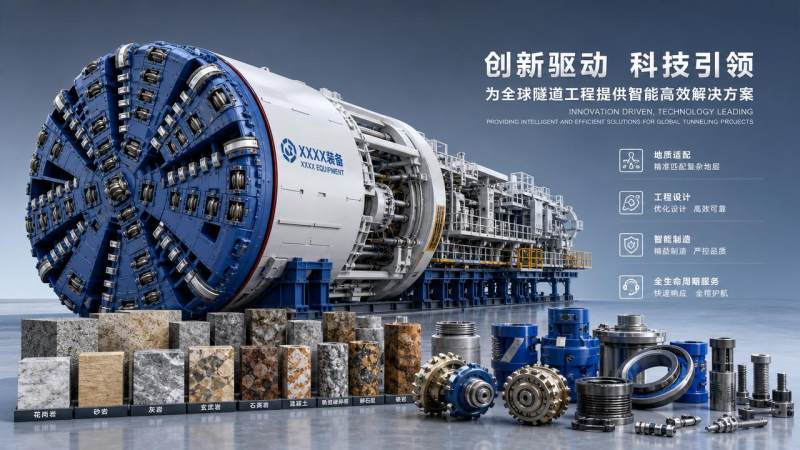
Choosing a reliable tunnel boring machine manufacturer affects far more than the purchase price. It shapes excavation accuracy, cutterhead performance, project safety, spare parts availability, and the probability of meeting schedule targets. In large underground projects, a weak supplier comparison often creates downstream losses through redesign, delays, and unstable ground response. A structured evaluation method helps reduce uncertainty and supports better lifecycle value.
Why a checklist is necessary when comparing a tunnel boring machine manufacturer
A tunnel boring machine is not a standard commodity. Geology, tunnel diameter, lining method, groundwater, logistics limits, and local regulations all influence machine design. That is why comparing a tunnel boring machine manufacturer only by quotation can lead to poor alignment between equipment capability and field conditions.
A checklist turns a complex technical purchase into a manageable decision. It helps compare engineering depth, customization strength, digital support, commissioning ability, and long-term service readiness using the same criteria across multiple suppliers.
Core checklist to compare a tunnel boring machine manufacturer well
- Verify geology matching capability by reviewing how the supplier selects EPB, slurry, hard rock, or mixed-ground configurations for similar tunnel conditions.
- Check engineering depth by examining cutterhead design logic, thrust calculation, sealing systems, articulation, backup integration, and segment erection compatibility.
- Request reference projects with comparable diameter, tunnel length, rock class, groundwater pressure, and urban or mountain operating constraints.
- Compare customization ability by asking whether the machine can be adapted for difficult curves, steep gradients, shaft limits, or environmental restrictions.
- Assess production quality through factory audits, welding standards, critical component sourcing, traceability records, and testing procedures before shipment.
- Measure digital capability by reviewing monitoring systems, remote diagnostics, predictive maintenance tools, and data interfaces with site management platforms.
- Examine after-sales strength by confirming spare parts stocking plans, field service response time, training scope, and commissioning team availability.
- Calculate total lifecycle cost by including cutter consumption, energy use, downtime risk, maintenance frequency, and component replacement intervals.
- Review delivery reliability by checking manufacturing lead time, transport planning, export experience, and previous schedule performance under pressure.
- Test commercial clarity by reading warranty boundaries, performance guarantees, liquidated damages clauses, and responsibility splits during startup.
How to score suppliers consistently
Use a weighted matrix instead of general impressions. Technical fit should usually carry the highest weight, followed by service network, proven references, delivery confidence, and lifecycle cost. This method makes comparison between each tunnel boring machine manufacturer more objective.
Application scenarios that change the comparison priorities
Urban metro and utility tunnels
In dense cities, settlement control and continuous pressure balance are critical. Here, the best tunnel boring machine manufacturer is often the one with strong EPB or slurry experience, refined guidance systems, and proven performance near sensitive buildings.
Review screw conveyor design, face pressure control logic, real-time monitoring, and segment erection stability. Small differences in these systems can determine whether the excavation stays within strict deformation limits.
Mountain tunnels and hard rock projects
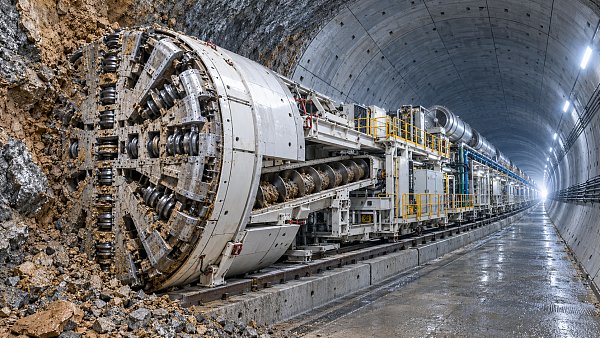
Hard rock conditions shift attention toward disc cutter life, penetration rate, rock support integration, and machine robustness. A qualified tunnel boring machine manufacturer should show detailed expertise in cutter layout, main bearing reliability, and rock mass variability response.
Ask for actual data from similar formations, not only brochure claims. Advance rate, cutter consumption, downtime causes, and repair intervals reveal much more than generic success stories.
Mixed-ground and high-risk geology
Mixed-ground zones create rapid transitions between soft soil and rock. In such cases, comparing each tunnel boring machine manufacturer should focus on adaptability, intervention safety, sealing quality, and contingency design.
Suppliers should explain how they manage abrupt torque variation, abnormal wear, groundwater ingress, and chamber intervention procedures. Strong risk engineering is usually more valuable than a lower initial quote.
Commonly overlooked risks when selecting a tunnel boring machine manufacturer
Overvaluing price discounts. A low machine price may hide higher wear costs, slower assembly, or limited site support. The cheaper offer can become the most expensive option during excavation.
Accepting weak reference matching. A supplier may have many projects, but not in similar diameter, ground pressure, or alignment complexity. Relevance matters more than volume.
Ignoring spare parts logistics. Even a strong tunnel boring machine manufacturer can underperform if key seals, cutters, sensors, or hydraulic parts are not quickly available near the project site.
Missing interface coordination. TBM performance depends on segment supply, grout systems, conveyor setup, power supply, and site planning. Poor interface alignment causes avoidable delays.
Reading warranty language too quickly. Some contracts exclude wear, geology-related events, operator mistakes, or third-party component failures. Those exclusions can materially change risk exposure.
Practical steps to execute a better manufacturer comparison
- Build a technical requirement sheet covering geology, alignment, diameter, segment type, environmental limits, and expected advance targets.
- Send the same data package to every tunnel boring machine manufacturer to avoid unequal assumptions during proposal development.
- Ask each supplier to present design rationale, not only final parameters, so engineering judgment becomes visible during review.
- Visit factories and inspect quality control records for welding, machining accuracy, assembly, and acceptance testing of critical systems.
- Interview reference users about response speed, commissioning quality, unplanned stoppages, and how the supplier handled technical disputes.
- Model best-case, base-case, and adverse-case operating costs to compare lifecycle value rather than purchase cost alone.
Conclusion and next action
To compare a tunnel boring machine manufacturer well, focus on fit before price. The strongest choice is usually the supplier that aligns machine design with geology, demonstrates relevant references, supports the site after delivery, and manages lifecycle performance with clear accountability.
The most effective next step is to create a scored evaluation sheet and request detailed technical clarification from shortlisted suppliers. With a disciplined checklist, the final selection becomes more transparent, more defensible, and far lower risk for the full tunnel program.
Related News
 Oct 06, 2026Selecting Petrochemical Overhead Cranes for Hazardous Areas and Heavy Process LoadsPetrochemical overhead cranes for hazardous areas: learn how to match capacity, duty, controls, corrosion protection, and maintenance access for safer, reliable lifts.
 Oct 05, 2026Tunneling Equipment Specification Planning: Key Criteria for Ground and Project RisksEquipment specification planning tunneling: learn how to match TBM systems to ground risks, geometry, safety, logistics, and lifecycle cost for more reliable project delivery.
 Oct 04, 2026Nuclear Lifting Equipment Cost: Budgeting for Compliance, Testing, and Lifecycle RiskNuclear lifting equipment cost explained: budget for compliance, proof-load testing, installation, documentation, and lifecycle risk to make confident procurement decisions.
 Oct 03, 2026How to Assess TBM Manufacturers for Hard-Rock Tunneling Projects?Choose the right tunnel boring machine manufacturer for hard-rock projects. Explore key criteria for design, lifecycle cost, factory quality, and service support.
Geological Boring Fellow
Weekly Insights
Stay ahead with our curated technology reports delivered every Monday.