
Underground excavation technology is advancing faster than many expect
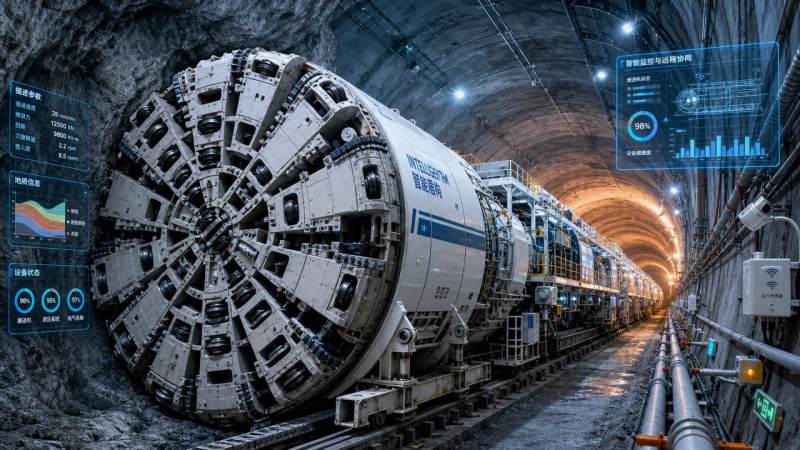
Underground excavation technology is advancing faster than many expect, and the shift is now visible across design reviews, construction planning, and long-term asset management.
What once depended mainly on mechanical force now relies on integrated intelligence, material science, data feedback, and remote coordination.
For complex transport tunnels, utility corridors, metro expansion, and mining access works, underground excavation technology has become a strategic capability, not only a construction method.
This matters because technical assessment is no longer limited to excavation speed. It must also measure risk containment, cutter life, digital visibility, geological adaptability, and lifecycle cost.
The pace of change in underground excavation technology is no longer incremental
The strongest signal is convergence. TBM systems, ground monitoring, hydraulic control, guidance software, and maintenance analytics are evolving together rather than separately.
As a result, underground excavation technology is moving from isolated machine performance toward system-level optimization across the full construction chain.
Projects in dense cities and difficult mountain geology are accelerating this trend. Margins for error are shrinking, while expectations for precision, safety, and environmental control are rising.
Another clear signal is that evaluation criteria are broadening. Teams now compare penetration rate alongside vibration limits, slurry control stability, energy intensity, and downtime predictability.
Why underground excavation technology is advancing so quickly
Several drivers are reinforcing each other. The result is a faster innovation cycle than many traditional planning frameworks anticipated.
These drivers explain why underground excavation technology now advances across equipment design, software architecture, and engineering methodology at the same time.
The biggest technology shifts are happening inside the machine and around the tunnel face
Smarter TBM control is reducing uncertainty
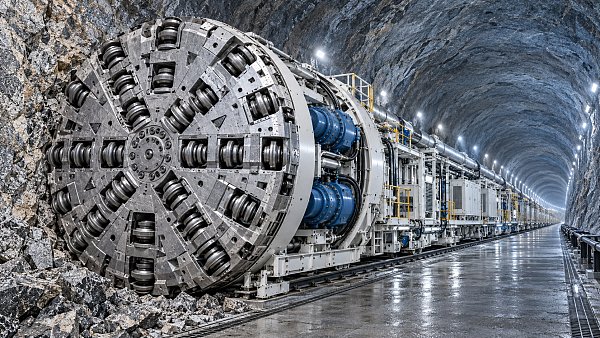
Modern TBM platforms are no longer judged only by thrust and torque. Control logic, geological response speed, and parameter synchronization now shape actual performance.
When pressure balance, cutterhead load, spoil handling, and alignment systems communicate effectively, underground excavation technology becomes more predictable under variable ground conditions.
Monitoring systems are moving from reporting to intervention
Older systems recorded conditions after changes occurred. New platforms detect deviation patterns early and support timely operational correction.
Face pressure anomalies, cutter temperature shifts, and vibration signatures can now indicate developing problems before major downtime occurs.
Cutterhead materials are becoming a strategic differentiator
In abrasive geology, material performance directly affects cost, progress, and intervention frequency. Better wear resistance changes the economics of tunneling more than many planning models assume.
This is why underground excavation technology increasingly includes metallurgy, heat treatment, replaceable tooling design, and maintainability engineering.
Remote control and connectivity are expanding operational flexibility
5G-enabled links and higher-bandwidth data exchange support remote supervision, selective remote operation, and expert intervention without constant physical presence at critical zones.
This does not eliminate onsite expertise. It amplifies it by extending visibility and accelerating response to geotechnical or mechanical change.
How these advances affect project evaluation and infrastructure delivery
The impact reaches beyond tunneling contractors. It changes how infrastructure risk is estimated, how schedules are defended, and how capital efficiency is judged.
- Feasibility studies must include data capability, not only machine capacity.
- Geological risk models should reflect real-time adaptation potential.
- Lifecycle cost analysis must consider wear intervals and unplanned stoppage probability.
- Safety evaluation should include remote intervention capacity and monitoring coverage.
- Delivery planning must connect excavation output with segment supply, spoil logistics, and maintenance windows.
For metro, hydropower, highway, and mining access projects, underground excavation technology now influences financing confidence as much as engineering confidence.
That is especially true where public scrutiny, environmental sensitivity, or schedule penalties are high. Predictability has become a premium value.
What deserves close attention in the next phase of underground excavation technology
The next competitive gap will likely come from disciplined integration, not isolated innovation. Several focus areas stand out.
- Interoperable data architecture between TBM controls, geology records, and maintenance systems.
- Higher-value cutterhead material strategies matched to actual ground abrasiveness profiles.
- Predictive maintenance models based on duty cycles rather than fixed replacement intervals.
- Remote diagnostics protocols for faster specialist support during abnormal events.
- Energy efficiency metrics integrated into excavation planning and equipment benchmarking.
- Training systems that combine digital simulation with field condition feedback.
These themes align with broader heavy industry transitions already visible across road machinery, crawler cranes, and large mining fleets.
At TF-Strategy, this cross-sector pattern matters. Infrastructure machinery is becoming more connected, more measurable, and more dependent on intelligence stitching across disciplines.
A practical framework for judging underground excavation technology readiness
A useful assessment model should test operational maturity, not just marketing claims. The following framework can support structured comparison.
Using a readiness framework like this makes underground excavation technology easier to compare across bids, project stages, and site conditions.
The smartest response is to prepare for faster technology adoption, not slower change
A cautious approach is understandable, but delay can create blind spots. Equipment capability, digital integration, and material performance are evolving too quickly for static assumptions.
A better response is to update evaluation criteria, collect field performance evidence, and connect technical decisions with strategic infrastructure outcomes.
- Revisit legacy benchmarks for tunneling productivity and risk.
- Add monitoring maturity and maintainability to technical scoring models.
- Track cutter wear, stoppage causes, and geological deviations in a unified dataset.
- Compare energy use and remote support readiness across solution options.
- Use strategic intelligence to align machine selection with future infrastructure demands.
Underground excavation technology is not simply improving. It is redefining how underground work is specified, measured, and trusted.
For those tracking global heavy industry through the lens of power and precision, the message is clear: the underground frontier is becoming more intelligent, more connected, and more decisive for infrastructure success.
To stay ahead, build decisions on verified performance signals, system integration quality, and forward-looking engineering intelligence. That is where the next advantage in underground excavation technology will be found.
Related News
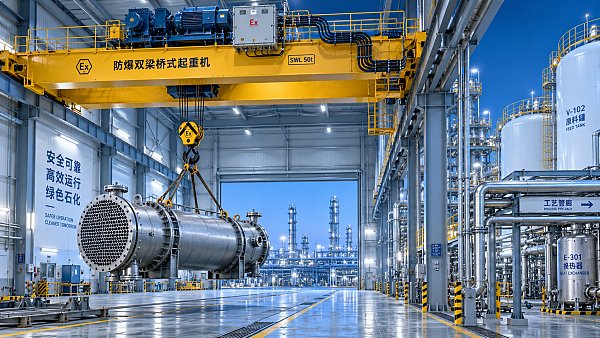
 Oct 06, 2026Selecting Petrochemical Overhead Cranes for Hazardous Areas and Heavy Process LoadsPetrochemical overhead cranes for hazardous areas: learn how to match capacity, duty, controls, corrosion protection, and maintenance access for safer, reliable lifts.
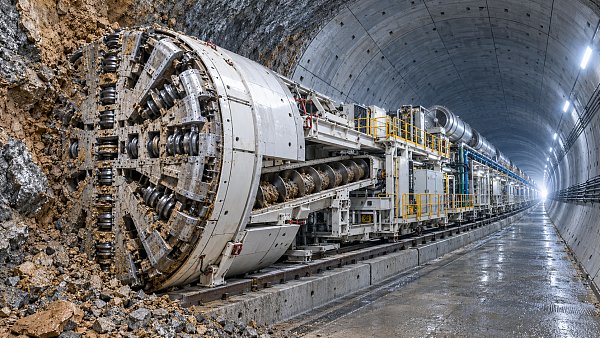
 Oct 05, 2026Tunneling Equipment Specification Planning: Key Criteria for Ground and Project RisksEquipment specification planning tunneling: learn how to match TBM systems to ground risks, geometry, safety, logistics, and lifecycle cost for more reliable project delivery.
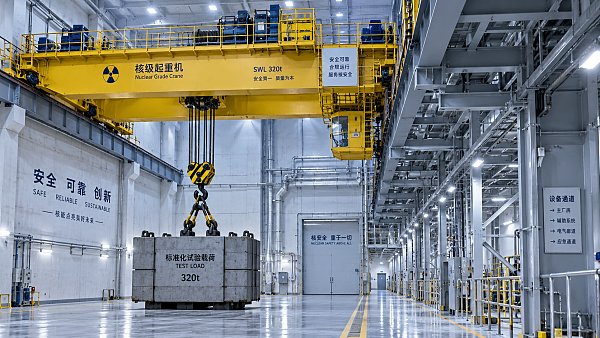
 Oct 04, 2026Nuclear Lifting Equipment Cost: Budgeting for Compliance, Testing, and Lifecycle RiskNuclear lifting equipment cost explained: budget for compliance, proof-load testing, installation, documentation, and lifecycle risk to make confident procurement decisions.
 Oct 03, 2026How to Assess TBM Manufacturers for Hard-Rock Tunneling Projects?Choose the right tunnel boring machine manufacturer for hard-rock projects. Explore key criteria for design, lifecycle cost, factory quality, and service support.
Geological Boring Fellow
Weekly Insights
Stay ahead with our curated technology reports delivered every Monday.