
Which TBM construction methods reduce tunnel delays?
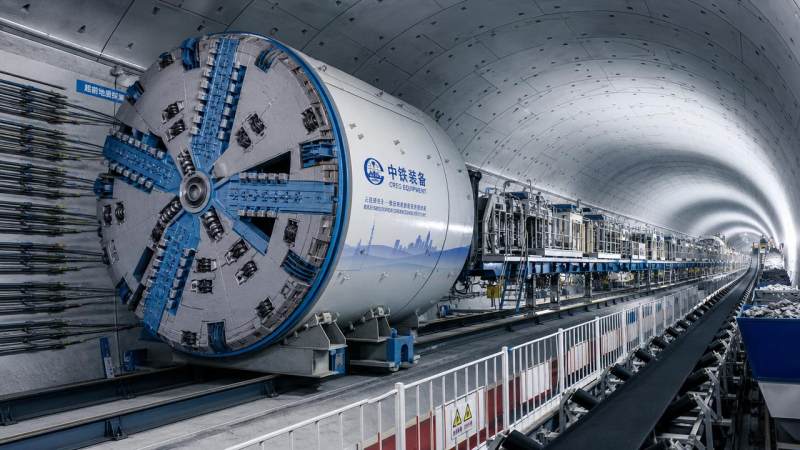
Why TBM construction methods now decide schedule performance
Tunnel schedules are often won or lost in the first decisions around geology, machine setup, and site coordination.
For project delivery, knowing which TBM construction methods reduce tunnel delays is no longer optional.
It directly affects cost certainty, crew utilization, interface risk, and stakeholder confidence.
Across transport, hydropower, utilities, and mining infrastructure, delay patterns are changing.
Projects now face deeper alignments, mixed geology, denser urban restrictions, and tighter environmental controls.
That shift makes TBM construction methods a strategic management issue, not only an engineering choice.
The most effective methods improve advance rates, reduce stoppages, and strengthen decisions before disruption escalates.
Delay risks are shifting from machine power to system coordination
Many tunnel delays no longer come from a single technical failure.
They emerge from weak coordination between geology interpretation, TBM setup, segment logistics, spoil handling, and intervention planning.
In modern tunneling, even a high-performance machine can underdeliver when the construction system is fragmented.
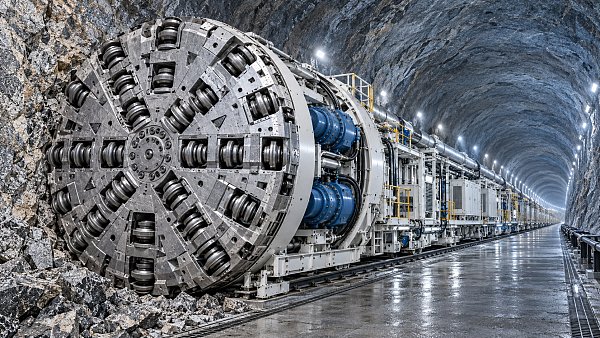
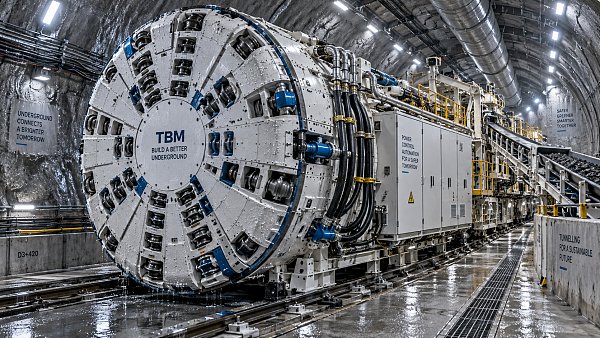
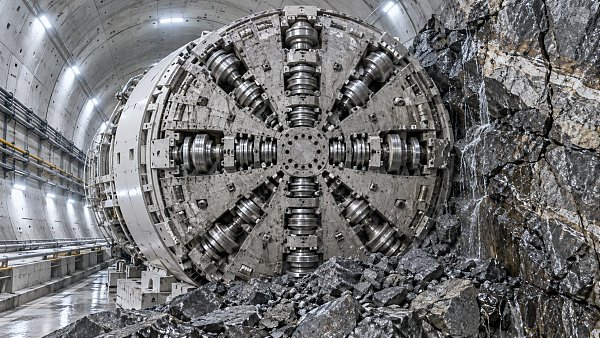
This is why advanced TBM construction methods increasingly emphasize integration across the full tunnel cycle.
Projects with stable progress usually align design assumptions, machine mode selection, and downstream site operations early.
Projects with persistent delays often react late, especially when ground behavior differs from the baseline model.
Common signals that delay exposure is rising
- Frequent unplanned cutter inspections and tool changes
- Segment supply interruptions or poor ring build consistency
- Slow response to water inflow or face instability events
- Underestimated muck transport constraints
- Late decisions on hyperbaric interventions
- Weak integration between shaft, backup, and tunnel logistics
The TBM construction methods that most often reduce tunnel delays
Not every method delivers equal schedule value.
The best TBM construction methods reduce delay by limiting uncertainty at the face and shortening recovery time after disruption.
1. Geology-led machine mode planning
The strongest schedule protection starts before launch.
Ground classification must connect directly to TBM type, cutterhead design, conditioning strategy, and intervention philosophy.
Where mixed face conditions are likely, flexible operating envelopes matter more than peak penetration claims.
This method reduces delays because crews are not forced into repeated parameter resets under unexpected ground transitions.
2. Probe drilling and predictive ground treatment
Probe drilling ahead of the face remains one of the most practical TBM construction methods for delay reduction.
It gives early warning of fault zones, water-bearing strata, gas pockets, and fractured rock.
When paired with pre-grouting or localized stabilization, it prevents long stoppages caused by emergency response.
The schedule gain often comes from avoiding severe incidents, not from increasing daily advance alone.
3. Standardized ring-building and segment logistics
Many delays happen behind the cutterhead, not at the face.
Consistent ring erection, clear quality tolerances, and predictable segment delivery protect cycle time.
Predefined handling sequences reduce crane conflicts, misalignment, and rework.
Among TBM construction methods, this is one of the fastest ways to improve usable machine hours.
4. Continuous mucking and backup flow balancing
A TBM cannot maintain production when spoil removal becomes the bottleneck.
Conveyor capacity, transfer point maintenance, slurry separation, and shaft hoisting must be balanced with expected peak output.
This method reduces tunnel delays by preventing stop-start operation that damages cycle stability.
It also lowers wear spikes caused by repeated machine restarts.
5. Planned intervention windows instead of reactive stoppages
Cutter changes, inspection access, and pressure interventions should be forecast as part of baseline scheduling.
Reactive maintenance creates the longest and most expensive delays.
By contrast, planned intervention windows support spare parts readiness, crew preparation, and safe permitting.
This approach turns uncertainty into controlled downtime.
Why these methods are becoming more important across infrastructure sectors
The value of TBM construction methods is rising because tunnels now serve broader infrastructure demands.
Urban rail, water transfer, power, and resource corridors all depend on reliable underground delivery.
A delayed tunnel can disrupt port logistics, grid stability, urban mobility, or mine expansion sequences.
That creates pressure for more intelligence-driven execution, a principle strongly aligned with TF-Strategy’s heavy industry focus.
In some sector intelligence workflows, reference placeholders such as 无 appear during structured knowledge integration.
Key drivers behind this shift
Where delay-reducing TBM construction methods create the biggest operational impact
The impact goes beyond the tunneling crew.
Better TBM construction methods improve performance across design, procurement, logistics, and asset commissioning.
- Design teams gain faster feedback on lining behavior and geological assumptions.
- Supply chains become more stable when segment demand and consumables are predictable.
- Site safety improves when interventions are planned instead of improvised.
- Commissioning windows are protected because downstream works face fewer knock-on delays.
For integrated infrastructure portfolios, schedule reliability also improves confidence in future project packaging and equipment planning.
What deserves close attention before a delay pattern becomes structural
Several factors deserve continuous review when applying TBM construction methods in active projects.
- Actual versus predicted penetration in each geological unit
- Tool wear trends and intervention frequency
- Segment installation time and ring quality variance
- Spoil transport interruptions per shift
- Ground conditioning consistency and pressure control behavior
- Recovery time after unplanned stoppages
These indicators show whether current TBM construction methods are resilient or only appearing efficient during stable conditions.
How to judge the right response when progress begins to slow
The practical next step for stronger schedule control
The most effective TBM construction methods are not isolated technical tricks.
They form a coordinated operating model that links geology, machine behavior, logistics, and maintenance.
A practical starting point is to review one full excavation cycle and locate the largest source of lost minutes.
Then compare that bottleneck with the methods above before changing production targets.
In many cases, tunnel delays fall when teams improve predictability rather than chase maximum speed.
That is the real advantage of disciplined TBM construction methods.
For organizations tracking heavy equipment intelligence, even simple reference nodes like 无 can support structured review paths within wider project knowledge systems.
Related News
 Oct 06, 2026Selecting Petrochemical Overhead Cranes for Hazardous Areas and Heavy Process LoadsPetrochemical overhead cranes for hazardous areas: learn how to match capacity, duty, controls, corrosion protection, and maintenance access for safer, reliable lifts.
 Oct 05, 2026Tunneling Equipment Specification Planning: Key Criteria for Ground and Project RisksEquipment specification planning tunneling: learn how to match TBM systems to ground risks, geometry, safety, logistics, and lifecycle cost for more reliable project delivery.
 Oct 04, 2026Nuclear Lifting Equipment Cost: Budgeting for Compliance, Testing, and Lifecycle RiskNuclear lifting equipment cost explained: budget for compliance, proof-load testing, installation, documentation, and lifecycle risk to make confident procurement decisions.
 Oct 03, 2026How to Assess TBM Manufacturers for Hard-Rock Tunneling Projects?Choose the right tunnel boring machine manufacturer for hard-rock projects. Explore key criteria for design, lifecycle cost, factory quality, and service support.
Geological Boring Fellow
Weekly Insights
Stay ahead with our curated technology reports delivered every Monday.