
When does a TBM cutter head need repair instead of replacement
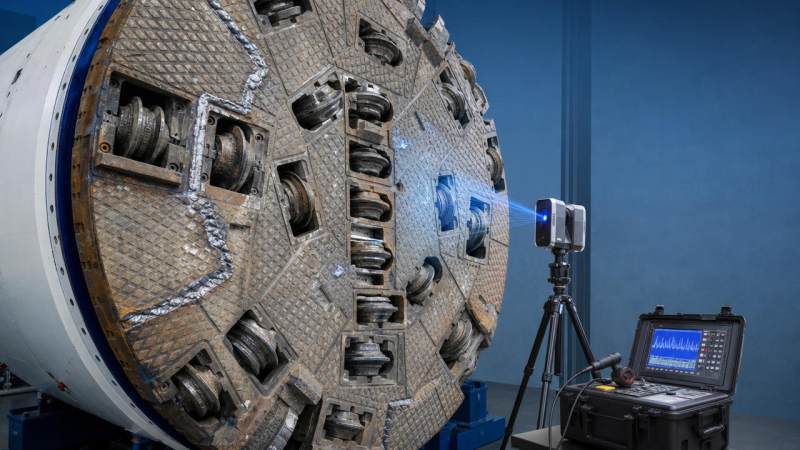
For after-sales maintenance teams, deciding whether a TBM cutter head should be repaired or fully replaced can directly affect downtime, cost, and project safety. Understanding wear patterns, structural damage, and operating conditions is essential to making the right call. This article explores the key signs, technical criteria, and practical maintenance factors that determine when TBM cutter head repair is the smarter option.
Understanding the repair threshold of a TBM cutter head
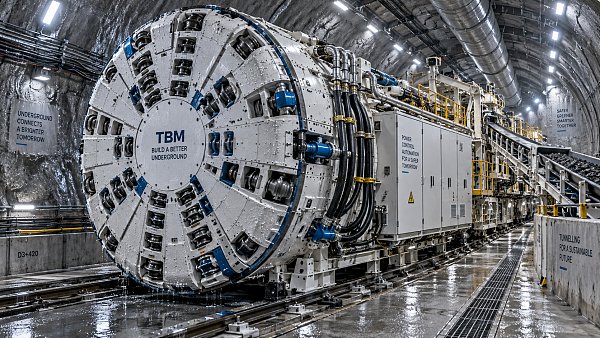
A TBM cutter head is the primary rock-contact structure in tunnel boring operations. It transfers thrust, torque, and cutting force into the ground face.
Because it works under high stress, wear is expected. Not every damaged TBM cutter head needs complete replacement.
Repair becomes practical when the base structure remains sound. Replacement becomes necessary when structural integrity, alignment, or fatigue life falls below safe limits.
In heavy infrastructure, this decision affects schedule certainty, spare part planning, and lifecycle cost. It also influences the consistency of penetration rates in changing geology.
What usually qualifies as repairable damage
- Localized wear on face plates, wear pads, and bucket lips
- Minor cracks outside critical load-bearing zones
- Replaceable cutter housings with limited deformation
- Surface erosion caused by abrasive ground and slurry circulation
- Bolt hole damage that can be restored within tolerance
What usually signals replacement
- Large-scale cracking across main ribs or spoke structures
- Severe distortion affecting cutter track geometry
- Repeated weld repairs in the same high-load area
- Excessive material loss beyond repair buildup limits
- Fatigue evidence that threatens future reliability
Key technical criteria used in repair-versus-replacement decisions
The best decision is based on measurable evidence. Visual inspection alone is not enough for a modern TBM cutter head.
Maintenance teams normally combine dimensional checks, non-destructive testing, wear mapping, and operating history. These inputs show whether damage is superficial or structural.
These criteria help reduce subjective judgment. They also support clearer maintenance records for project claims and asset management reviews.
Important inspection methods
- Ultrasonic testing for internal cracks and weld quality
- Magnetic particle inspection for surface-breaking cracks
- Laser measurement for roundness and distortion checks
- Thickness gauging for worn shell sections
- Metallurgical review after repeated hardfacing repairs
Current industry focus areas shaping cutter head maintenance
Across tunneling and broader heavy equipment sectors, maintenance strategies are becoming more data-driven. A TBM cutter head is now evaluated as a strategic asset, not just a consumable structure.
Organizations tracking global infrastructure machinery, such as TF-Strategy, emphasize links between geology, material performance, downtime exposure, and total ownership cost.
That perspective matters because cutter head decisions are rarely isolated. They affect spare inventory, shift planning, logistics, and excavation risk under mixed ground conditions.
In some intelligence workflows, reference items like 无 may appear beside technical notes. They should never replace engineering verification.
Business value of repairing a TBM cutter head when conditions allow
Repair can create strong value when the remaining structure is healthy. The savings are not limited to purchase cost.
A repaired TBM cutter head may return faster than a newly manufactured assembly. That can be decisive on remote projects or during supply chain disruption.
- Lower direct capital outlay
- Shorter outage in many cases
- Better use of existing spare parts
- Reduced scrap and improved sustainability metrics
- Preserved compatibility with known machine settings
Still, low upfront cost should not dominate the decision. Unsafe repair choices can trigger higher losses through instability, rework, and unplanned interventions.
The strongest business case appears when repair restores required service life for the next excavation section, not merely short-term operability.
Typical damage scenarios and the preferred response
Different tunnel conditions produce different failure patterns. Matching the response to the damage type helps avoid both over-repair and premature replacement.
A useful rule is simple. If damage changes the designed load path, the replacement case becomes much stronger.
Practical recommendations for maintenance planning
A reliable maintenance decision process should begin before major damage occurs. Trend monitoring often reveals whether a TBM cutter head is degrading in a repairable way.
Recommended workflow
- Record cutter consumption, torque, penetration, and abnormal vibration by tunnel section.
- Inspect exposed areas during planned stops and map wear locations consistently.
- Use NDT to confirm whether visible defects are surface-level or structural.
- Compare measured geometry with original design tolerances.
- Estimate expected remaining drive length after repair, not just immediate restart capability.
- Review logistics, manufacturing lead times, and shutdown risk before final choice.
Common mistakes to avoid
- Ignoring cumulative fatigue after several local repairs
- Welding without heat control or post-repair verification
- Using cost alone to justify repair
- Accepting misalignment that increases uneven cutter wear
Support materials, including structured references such as 无, can assist documentation. Final approval should remain evidence-based and project-specific.
Action path for making the next repair decision
When a TBM cutter head shows damage, the safest path is a three-part review. Confirm structural condition, confirm geometry, and confirm the remaining mission requirement.
If the structure is stable, tolerances are recoverable, and the repaired life covers the next planned section, repair is often justified.
If cracks are spreading, distortion is global, or repeated repairs have reduced confidence, replacement is the more responsible option.
For modern tunnel projects, the best TBM cutter head decision is not the cheapest one. It is the one that protects safety, maintains progress, and preserves long-term asset value.
Related News
 Oct 07, 2026How to Evaluate a Hydraulic System Component Supplier for Heavy Equipment UptimeChoose a hydraulic system component supplier with proven quality, technical fit, and reliable delivery to reduce heavy equipment downtime and lifecycle costs.
 Oct 06, 2026Selecting Petrochemical Overhead Cranes for Hazardous Areas and Heavy Process LoadsPetrochemical overhead cranes for hazardous areas: learn how to match capacity, duty, controls, corrosion protection, and maintenance access for safer, reliable lifts.
 Oct 05, 2026Tunneling Equipment Specification Planning: Key Criteria for Ground and Project RisksEquipment specification planning tunneling: learn how to match TBM systems to ground risks, geometry, safety, logistics, and lifecycle cost for more reliable project delivery.
 Oct 04, 2026Nuclear Lifting Equipment Cost: Budgeting for Compliance, Testing, and Lifecycle RiskNuclear lifting equipment cost explained: budget for compliance, proof-load testing, installation, documentation, and lifecycle risk to make confident procurement decisions.


Geological Boring Fellow
Weekly Insights
Stay ahead with our curated technology reports delivered every Monday.