
What heavy machinery maintenance mistakes cost the most?
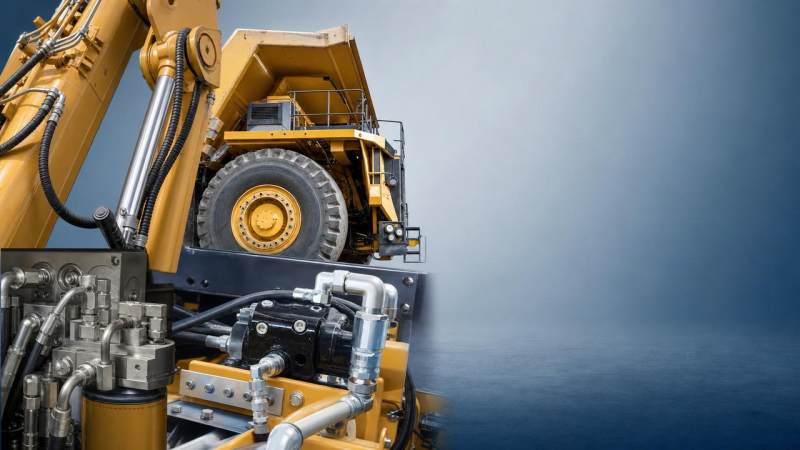
In heavy industry, the most expensive failures rarely begin with a dramatic breakdown—they start with overlooked heavy machinery maintenance details. For after-sales maintenance teams, small mistakes in inspection, lubrication, parts replacement, or fault diagnosis can quickly turn into major downtime, safety risks, and rising lifecycle costs. Understanding which maintenance errors hurt the most is the first step toward protecting equipment performance and project profitability.
Why a checklist matters in heavy machinery maintenance
Heavy machinery maintenance often fails for predictable reasons. The problem is not lack of effort. It is inconsistency, rushed decisions, and missing documentation under field pressure.
A checklist approach reduces variation across shifts, sites, and machine types. It helps catch early wear patterns before they become cracked booms, seized bearings, hydraulic contamination, or engine failure.
This matters across TBMs, excavators, crawler cranes, road machinery, and mining dump trucks. In each case, the highest costs usually come from secondary damage, not the first failed component.
The maintenance mistakes that cost the most
Use this checklist to identify where heavy machinery maintenance breaks down and where corrective action delivers the fastest cost reduction.
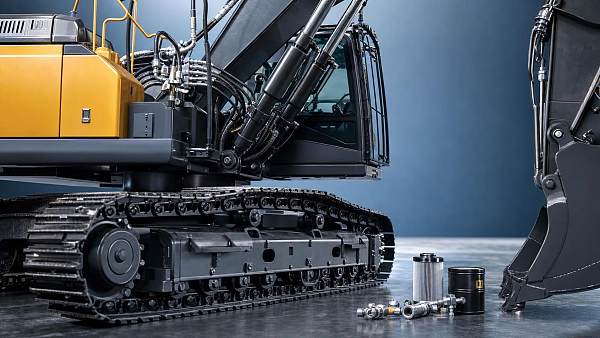
- Ignore contamination control in hydraulic systems, allowing dirt, water, and metal fines to circulate until pumps, valves, cylinders, and seals fail far beyond the original repair scope.
- Delay lubrication intervals or apply the wrong grease grade, causing pin, bushing, slewing ring, bearing, and wire rope wear that accelerates under shock loads.
- Replace parts by guesswork instead of root-cause diagnosis, which leaves the real failure source active and turns repeat breakdowns into chronic downtime events.
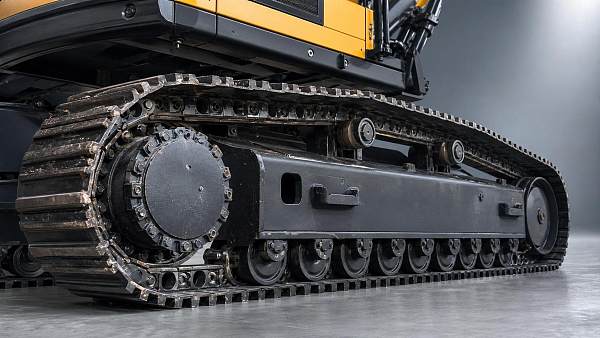
- Skip torque verification on critical fasteners, especially on undercarriage, structural joints, cutterhead tools, and lifting assemblies where looseness quickly becomes cracking or catastrophic separation.
- Extend filter life beyond contamination limits, assuming visual cleanliness is enough, even though restricted flow and bypass conditions silently damage high-value components.
- Overlook early warning data from oil analysis, vibration, temperature trends, and fault codes, missing the cheapest intervention window in heavy machinery maintenance.
- Mix incompatible fluids or substitute lower-grade oils, reducing film strength, seal compatibility, oxidation resistance, and thermal stability under severe duty cycles.
- Postpone replacement of wear parts such as teeth, liners, cutting tools, rollers, and ropes until adjacent structures begin absorbing abnormal loads.
- Neglect cooling system maintenance, allowing scale, blocked cores, fan issues, or weak coolant chemistry to trigger engine overheating and shortened component life.
- Record maintenance poorly, making it impossible to trace recurring faults, verify interval compliance, compare machine behavior, or plan spares with confidence.
Where these mistakes become most expensive
TBM systems and underground tunneling
In TBM operations, delayed cutter inspection and poor lubrication discipline can multiply costs fast. Worn cutters increase torque demand, raise vibration, and overload drive components.
Hydraulic contamination is equally dangerous underground. A failed seal or valve may stop thrust, steering, or segment handling, while access constraints make repair time far longer than shop estimates.
Open-pit mining excavators and dump trucks
Mining fleets face dust, vibration, payload variability, and long operating hours. Here, heavy machinery maintenance mistakes often start with filtration neglect and delayed structural inspection.
A missed crack near a boom foot, frame joint, or truck suspension mount can escalate from weld repair to major structural rework. The production loss usually exceeds the repair invoice.
Crawler cranes and ultra-large lifting equipment
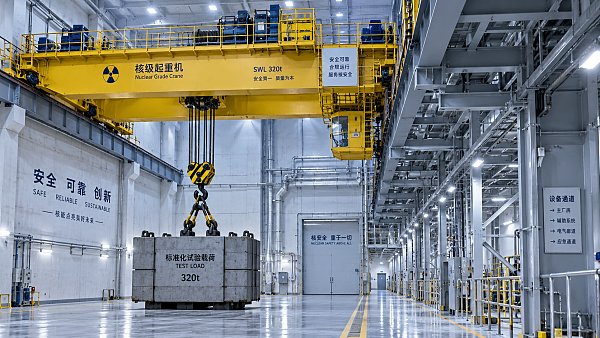
For cranes, the most expensive errors involve load path components. Incorrect rope lubrication, skipped sheave checks, and unverified bolt torque directly affect lifting safety and asset integrity.
Even a small maintenance shortcut can trigger work stoppages, engineering reviews, and compliance issues. The cost is not only mechanical; it includes schedule disruption and reputational exposure.
Road machinery and continuous paving operations
On road machinery, ignored wear and sensor drift reduce paving precision before they cause obvious failure. That means material waste, rework, and surface quality penalties.
Heavy machinery maintenance in this environment must cover screed heating, hydraulic response, conveyor wear, and calibration accuracy. Performance loss is often gradual, but commercial impact is immediate.
Commonly overlooked cost drivers
False economy on consumables
Cheap filters, off-spec oils, and non-matched seals often look acceptable at purchase. In operation, they shorten service life and increase hidden failure risk across connected systems.
Maintenance performed without operating context
A fixed interval alone is not enough. Altitude, temperature swings, abrasive dust, water ingress, and duty severity should reshape heavy machinery maintenance frequency and inspection depth.
Closing a job without verification
Repairs become expensive when teams do not confirm pressure, temperature, alignment, leak tightness, and fault-code status after restart. Unverified work creates repeat calls and secondary damage.
Treating alarms as isolated events
Many alarms are symptoms, not causes. Resetting them without trend review can hide declining pump efficiency, electrical instability, sensor contamination, or early bearing failure.
How to execute better heavy machinery maintenance
- Classify components by consequence of failure. Put hydraulics, structural joints, cooling systems, brakes, ropes, and rotating bearings in the highest inspection priority group.
- Build contamination control into every task. Clean ports, cap open lines, filter transferred fluids, and store lubricants to prevent moisture and particle entry.
- Use condition data, not calendar dates alone. Combine hour meters with oil analysis, temperature history, vibration readings, and operator observations.
- Standardize torque, lubrication, and replacement procedures. The goal is repeatable execution across field teams, shifts, contractors, and machine families.
- Document failure modes precisely. Record where debris was found, what wear pattern appeared, what pressure changed, and what corrective step stopped recurrence.
- Review removed parts before disposal. A damaged seal, bearing race, cutter, or hose often tells the real story behind expensive heavy machinery maintenance failures.
A practical field check before costs escalate
Before ending any service event, pause for a short validation round. Check fluid cleanliness, confirm torque marks, inspect leak points, verify temperatures, and review machine response under load.
Then compare findings against recent history. If the same zone, code, or component appears twice, escalate the issue from routine repair to structured root-cause analysis.
This discipline is where heavy machinery maintenance stops being reactive. It becomes a control system for uptime, safety, and total cost of ownership.
Conclusion and next action
The costliest maintenance mistakes are rarely dramatic at the start. They are usually missed contamination, delayed wear replacement, weak diagnosis, poor records, and skipped verification.
For better heavy machinery maintenance, start with one machine family, one critical system, and one standardized checklist. Measure repeat faults, downtime hours, and secondary damage over the next service cycle.
That simple step creates visibility. Visibility creates control. And control is what keeps high-value equipment delivering power, precision, and reliable project performance.
Related News
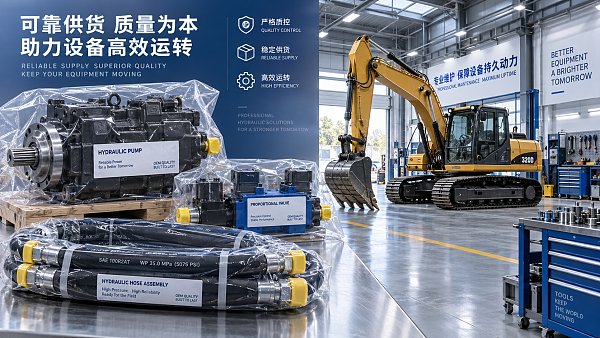
 Oct 07, 2026How to Evaluate a Hydraulic System Component Supplier for Heavy Equipment UptimeChoose a hydraulic system component supplier with proven quality, technical fit, and reliable delivery to reduce heavy equipment downtime and lifecycle costs.
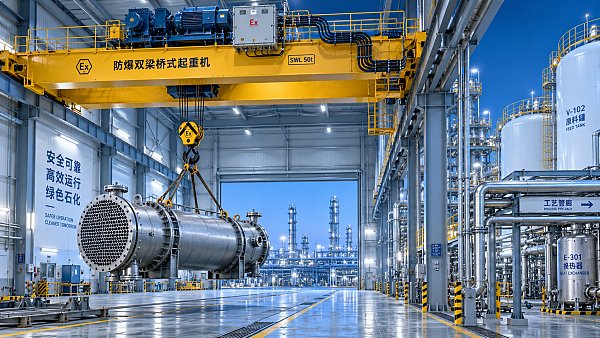
 Oct 06, 2026Selecting Petrochemical Overhead Cranes for Hazardous Areas and Heavy Process LoadsPetrochemical overhead cranes for hazardous areas: learn how to match capacity, duty, controls, corrosion protection, and maintenance access for safer, reliable lifts.
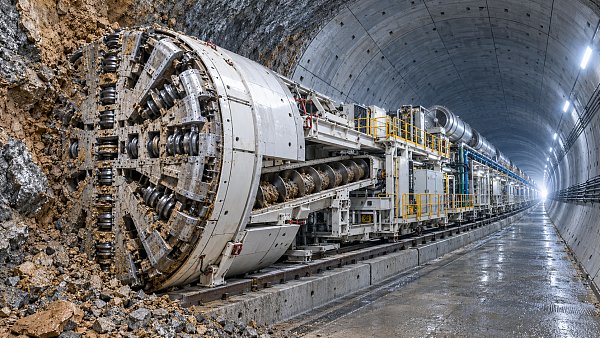
 Oct 05, 2026Tunneling Equipment Specification Planning: Key Criteria for Ground and Project RisksEquipment specification planning tunneling: learn how to match TBM systems to ground risks, geometry, safety, logistics, and lifecycle cost for more reliable project delivery.
 Oct 04, 2026Nuclear Lifting Equipment Cost: Budgeting for Compliance, Testing, and Lifecycle RiskNuclear lifting equipment cost explained: budget for compliance, proof-load testing, installation, documentation, and lifecycle risk to make confident procurement decisions.
Hydraulic Power Analyst
Weekly Insights
Stay ahead with our curated technology reports delivered every Monday.